

Last updated October 17, 2026
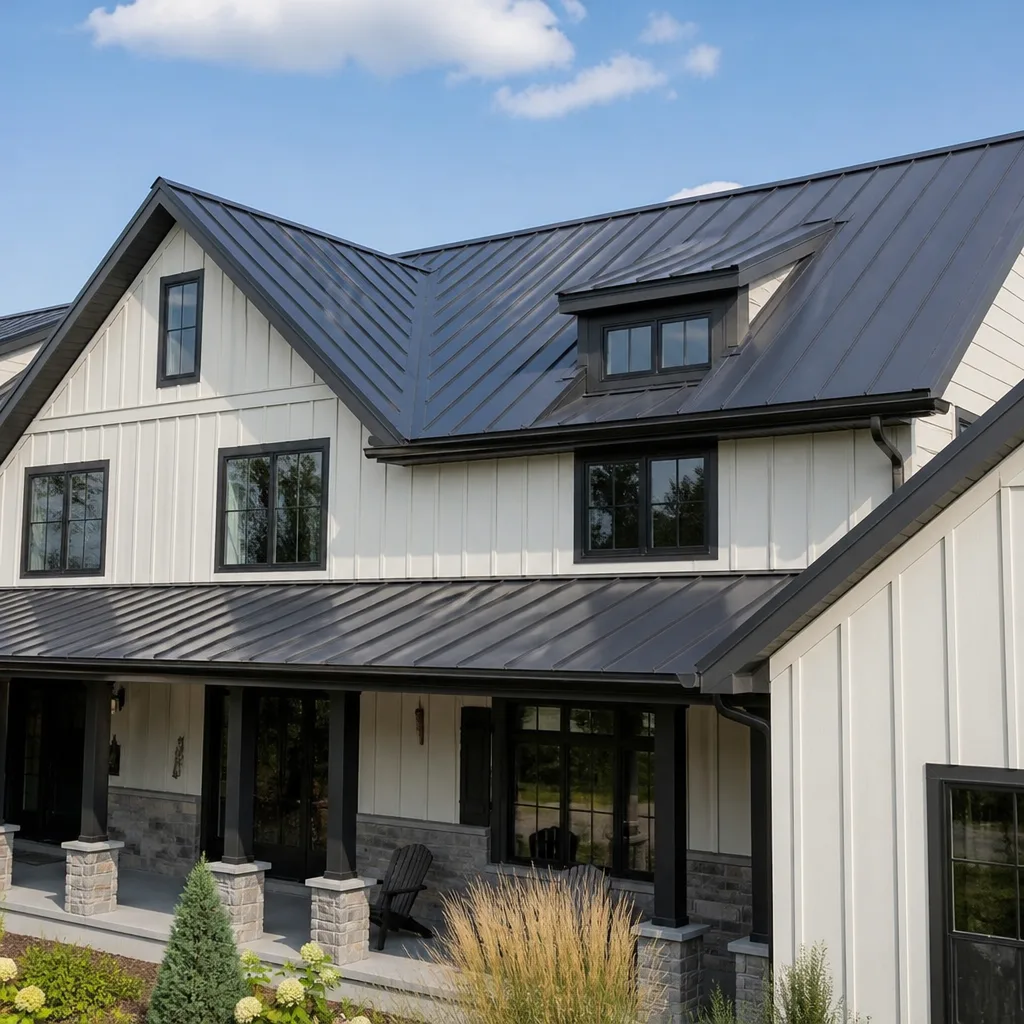 Metal roofing
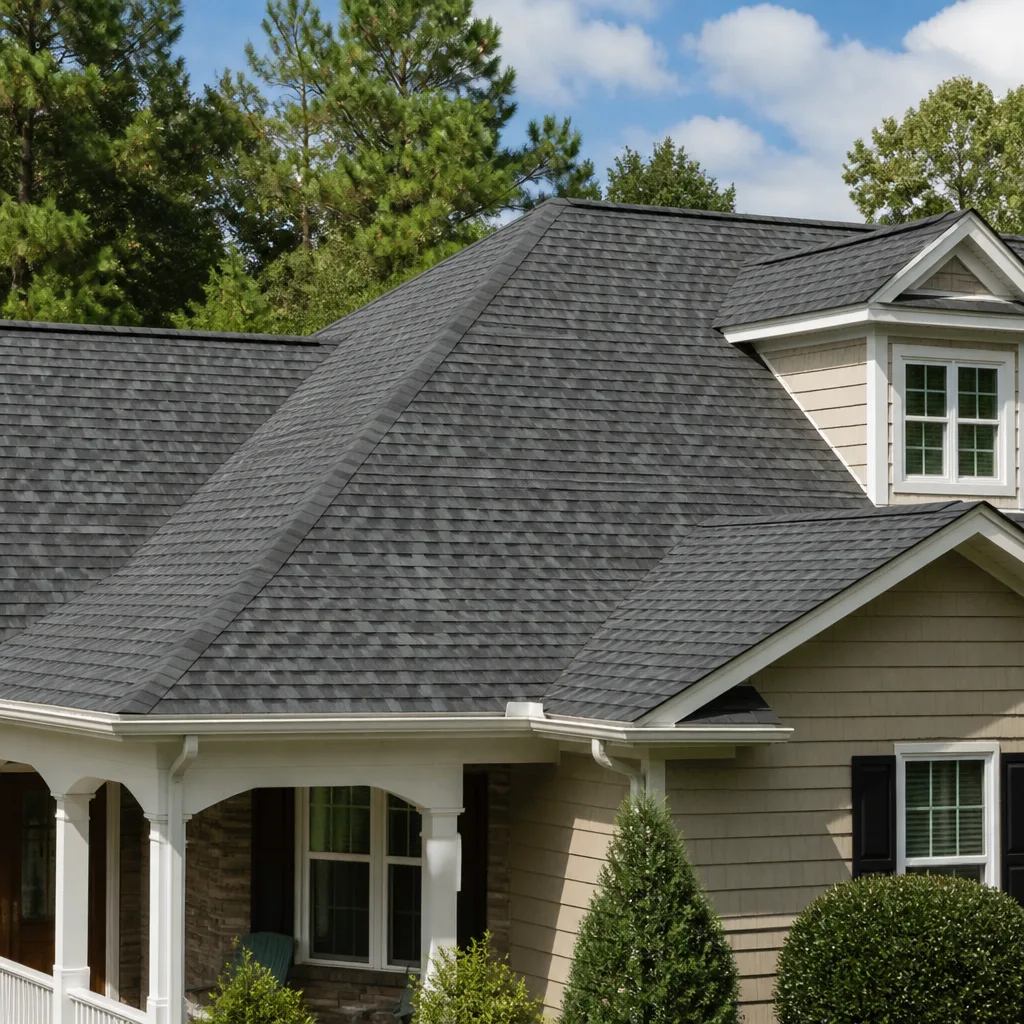 Architectural shingles
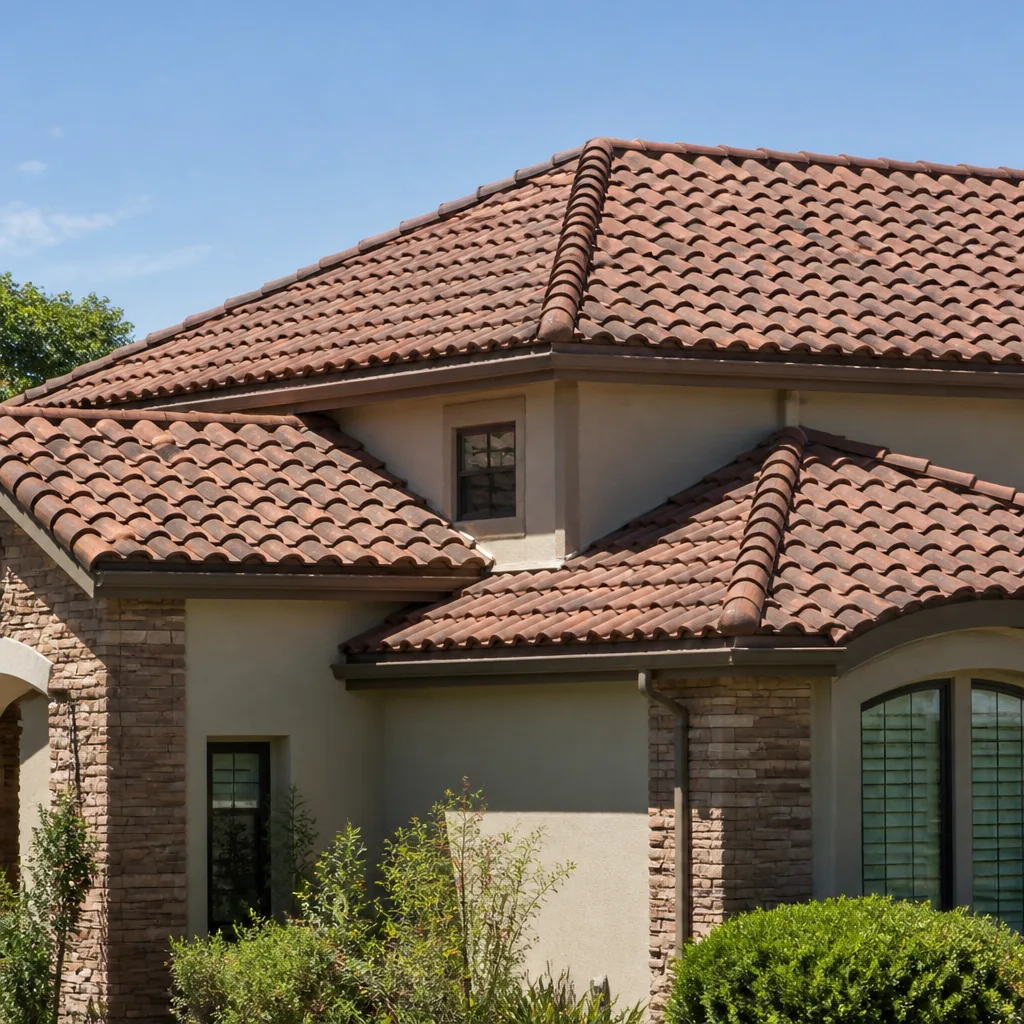 Tile roofing
 GAF
GAF Owens Corning
 Flat & low-slope
Free roof inspection with deck photos before we talk money - GAF and Owens Corning certified installation
DIY vs Professional Roofing: The Fort Worth Homeowner’s Decision Guide
Here’s a fact most Fort Worth homeowners don’t learn until it’s too late: Texas doesn’t require a state roofing license. That means a homeowner with a ladder and a weekend has the same legal standing to tear off shingles as the storm-chasing crew that knocked on your door after last spring’s hail. And your insurance policy is the document that actually sets the rules. This guide defines the real boundary between what a competent homeowner can safely handle and what belongs in the hands of a disciplined, accountable roofing contractor-drawing on our step-by-step guide to hiring a roofing contractor in Fort Worth. You’ll learn which repairs trigger permits in Fort Worth, how insurance carriers treat failed DIY work, what professional labor actually buys you, and where the financial line sits between saving money and creating a five-figure problem.
Quick Answer
In Fort Worth, the DIY-versus-professional roofing decision is not primarily about skill. It’s about legal standing and insurance exposure. Homeowners can legally handle minor maintenance like gutter cleaning, attic ventilation checks, and sealant touch-ups around pipe boots without permits. But any repair involving structural decking, underlayment replacement, or shingle installation on more than a small patch begins to intersect with Fort Worth’s permit requirements and your carrier’s “workmanlike installation” policy language. For most Fort Worth homeowners, the smart move is DIY for maintenance, professional for anything that touches the roof system itself.
Key Takeaways
- Texas has no state roofing license requirement, so your insurance policy and Fort Worth city code are the real gatekeepers.
- DIY work that fails can void coverage on a subsequent hail claim under “workmanlike installation” exclusions.
- Fort Worth requires permits for roof work exceeding 100 square feet, which pushes most shingle replacement into the professional category regardless of skill.
- Professional labor costs cover dump fees, crew insurance, manufacturer warranty registration, and permit administration, not just the hands on the roof.
- Three DIY jobs make financial sense for a Fort Worth homeowner: gutter cleaning, attic ventilation inspection, and sealant around existing pipe boots.
- A 6:12 roof pitch without fall protection carries a statistically significant injury risk, and OSHA fall protection rules apply to residential work in Texas.
Styles & brands we work with
Table of Contents
- The Legal Landscape: What Texas Law Actually Says About Roofing
- The Insurance Reality: How DIY Work Affects Your Hail Claim
- Fort Worth Permit Requirements: Where DIY Crosses the Line
- What Professional Labor Actually Buys: An Honest Breakdown
- Three DIY Jobs That Make Financial Sense in Fort Worth
- Three DIY Jobs That Routinely Cost More Than Hiring Out
- Fall Protection: The Risk You’re Buying When You Climb
- Manufacturer Warranties: The Hidden DIY Disqualifier
The Legal Landscape: What Texas Law Actually Says About Roofing
Texas is one of the few states that does not issue a state roofing license. Any person or company can legally accept payment for roofing work as long as they comply with local city ordinances, carry the insurance their clients require, and follow the Texas Deceptive Trade Practices Act, which is a consumer-protection statute, not a licensing law. Here in Fort Worth, the operative question for a homeowner is not “can I legally do this?” It’s “what happens if I do this, and it fails, and my insurance carrier finds out?”
The absence of a licensing requirement cuts both ways. On one hand, nothing legally stops you from nailing shingles onto your own roof. On the other hand, nothing legally stops a fly-by-night operation from doing the same thing to your neighbor’s house and disappearing after the check clears. This is why Fort Worth homeowners who have been burned once generally stop evaluating roofers by price and start evaluating them by accountability. A written price before any work starts, background-checked uniformed technicians, and a written guarantee are not marketing language. They are the structuring elements of a contractor you can actually hold to account.
We’re part of the Garrison Partners family, founded in 2000. Each location is independently owned and operated, but every one signs onto the same Standard. It’s a defined process, not a slogan. That matters in a state where the legal floor is low.
The Insurance Reality: How DIY Work Affects Your Hail Claim
Fort Worth sits in one of the most active hail corridors in the country. Tarrant County sees damaging hail most years, and the claims process is familiar territory for any long-term homeowner here. What most homeowners don’t know is that their policy contains language that can disqualify a future claim based on the quality of past repairs, even repairs made by the homeowner before a claim was ever filed.
The operative phrase in most major carrier policies is “workmanlike installation.” Your carrier requires that any repair or modification to the roof be done in a manner consistent with professional standards. The phrase is deliberately broad. If your DIY patch leaks, and the leak damages decking, and then a hailstorm hits, the adjuster can deny the storm claim on the grounds that your roof system was already compromised by non-workmanlike repair. You may be looking at a full replacement out of pocket, and the denial letter will cite your own patch as the cause.
- DIY repair fails. Water enters the decking or attic over weeks or months.
- Hailstorm hits Fort Worth. You file a claim for storm damage.
- Adjuster inspects. They find the failed DIY repair and document it.
- Carrier denies the claim. The policy’s “workmanlike installation” exclusion is cited.
- You pay for the full replacement. Typically $11,000 to $22,000 on a mid-size Fort Worth home depending on roof complexity.
This sequence is not hypothetical. We’ve seen it happen in neighborhoods across Fort Worth, from Arlington Heights to Wedgwood. The homeowner saved $400 on a patch and lost a $16,000 roof replacement. The math is stark.
This is also an honest reason to consider a contractor who guarantees work in writing. Our Roof Repair in Fort Worth work comes with a 365-Day Done Right Promise, which means every repair is backed by a written guarantee for one full year. If a repair fails within that period, we return at no charge. That paper trail also documents that your roof was worked on by a professional, which matters if an adjuster ever asks.
Fort Worth Permit Requirements: Where DIY Crosses the Line
Fort Worth is a code-enforcement city. You can check the city’s Residential Roofing Permit rules yourself: any roof work exceeding 100 square feet, or any roof work involving structural decking replacement, requires a permit and a subsequent inspection. One hundred square feet is a 10×10 section. That is almost any repair beyond replacing a few missing shingles after a wind event. The moment you strip shingles down to the decking, even on a modest section, you’re likely over the threshold.
The permit process is not a formality. Fort Worth inspectors verify that the decking is in acceptable condition, that the underlayment meets current code, and that drip edge and flashing are installed correctly. A DIY installer who skips the permit and gets caught faces a stop-work order and potential fines. But the larger risk is the insurance problem described above. An unpermitted, failed repair is the easiest way for a carrier to deny a claim.
Here’s a practical breakdown of what triggers a permit in Fort Worth:
- Replacing a few shingles after wind damage: Generally no permit if under 100 square feet and no decking is exposed.
- Replacing a section of shingles exceeding 100 square feet: Permit required.
- Exposing or replacing any roof decking: Permit required, regardless of size.
- Full roof replacement: Permit required, plus a final inspection.
- Flashing repair around a chimney or wall junction: Depends on scope. If you’re lifting shingles and replacing flashing, evaluate the square footage and whether decking is involved.
Most Fort Worth homeowners doing serious DIY roofing work are either knowingly or unknowingly unpermitted. That’s a legal and financial exposure that doesn’t exist on the maintenance-level jobs we cover later in this guide.
What Professional Labor Actually Buys: An Honest Breakdown
When a Fort Worth homeowner sees a professional roofing quote, the first reaction is often sticker shock, so it helps to understand the roofing cost breakdown for Fort Worth homeowners in 2026. The materials don’t seem to cost that much at the supply house. Why is the labor line so high? Here’s an honest breakdown of what a professional Fort Worth roof replacement labor charge actually covers, beyond the hands on the roof.
| Cost Component | What It Covers | Typical Share of Labor Cost |
|---|---|---|
| Crew labor | Wages for experienced roofers who work safely and efficiently on steep pitches | 35 – 45% |
| Dump fees and debris hauling | Old shingles, underlayment, nails, and fasteners hauled to a licensed facility | 8 – 12% |
| Worker insurance | Workers’ compensation and general liability for the crew on your property | 10 – 15% |
| Permit administration | Pulling the Fort Worth permit, scheduling inspection, managing re-inspection if needed | 5 – 8% |
| Manufacturer warranty registration | Documenting installation so your shingle warranty from GAF, CertainTeed, or similar is actually valid | 3 – 5% |
| Project management and site protection | Running the job, communicating with you, protecting landscaping and windows | 10 – 15% |
| Overhead and reasonable profit | Vehicle costs, office staff, and keeping the business solvent to honor warranties | 15 – 20% |
In Fort Worth’s current market, a full roof replacement on a 1,800-square-foot single-story home typically runs $10,500 to $18,000 depending on pitch, number of stories, decking condition, and material selection. A repair like a pipe boot replacement or flashing fix runs $350 to $750 in most cases, before any decking work. These prices are documented in our Brennan Roofing Co Fort Worth home and service pages, in plain terms.
What portion of that is pure labor on the roof? Roughly 40 – 50%. The rest is everything around the labor that ensures the job is done legally, safely, and with a warranty that can actually be enforced. This is why the cheapest quote is not the best value. The cheapest contractor is often the one who skipped the insurance, skipped the permit, or intends to charge more once the roof is open. The Garrison Standard exists precisely to give homeowners a fixed, written price before any work starts, with no change orders at the door.
Three DIY Jobs That Make Financial Sense in Fort Worth
Not every roof-related task requires a contractor. Fort Worth homeowners can legitimately save money by handling these three jobs themselves-part of a sound roofing maintenance checklist for Fort Worth homeowners-without triggering permits or risking insurance complications.
1. Gutter Cleaning and Debris Removal
Fort Worth’s canopy of live oaks and pecans means gutters fill fast, especially after autumn leaf drop and spring oak tassels. Clogged gutters cause water to back up under the shingle edge at the eaves, which leads to fascia rot over time. Cleaning gutters twice a year is safer and cheaper than any contractor will quote for a per-visit clean, and it requires no permit. Use a stable extension ladder, a garden trowel or gloved hands, and a hose to flush downspouts. This is the most financially sensible DIY roof-adjacent task in Fort Worth.
2. Attic Ventilation Inspection
Fort Worth summers push attics past 130 degrees, which is hard on shingles and forces your AC to work harder. Checking your attic ventilation is a genuinely useful DIY job. Go into the attic with a flashlight on a hot afternoon and look for working ridge vents, soffit vents that are clear of insulation, and any sign of moisture on the underside of the decking. You’re not modifying anything, just inspecting, so there’s no permit exposure. If you find blocked soffit vents, pulling insulation back is straightforward. If you find actual moisture or mold, that’s when a professional Roof Inspection in Fort Worth is worth scheduling.
3. Sealant Around Existing Pipe Boots
Pipe boots are the rubber or neoprene collars around plumbing vents that protrude through the roof. The boots crack and degrade under Texas sun, and the failure usually shows up first as a slow ceiling stain in a bathroom. If the boot itself is intact and only the surrounding sealant is cracked, you can apply a compatible roofing sealant around the base. This is a maintenance-level fix, not a structural repair. The key is not to lift shingles or remove the boot itself, which can expose decking. If the boot is split or the flashing is separated from the pipe, call a roofer. The material difference between “sealant touch-up” and “boot replacement” is the line between DIY and a professional job.
Three DIY Jobs That Routinely Cost More Than Hiring Out
Some jobs look simple on a YouTube tutorial and become expensive the moment anything varies from the video. In Fort Worth, these three DIY roofing projects are the ones we most often see turn into professional repair work, at a higher total cost than hiring out originally.
1. Shingle Patch on a Roof Over Fifteen Years Old
The logic seems sound: a few shingles blew off, buy a bundle, nail them down, done. The problem is that shingles on a fifteen-year-old Fort Worth roof are typically brittle, and the underlayment below is often compromised. Lifting old shingles to slide in new ones frequently damages adjacent shingles. Then the homeowner discovers decking damage. Then they’re into a permit-triggering repair without a permit, on a roof that should honestly be evaluated for replacement. The $120 patch becomes a $450 patch, and it never matches in color anyway.
2. Flashing Replacement at a Chimney or Wall Junction
Flashing is the folded metal that seals the joint where the roof meets a chimney, wall, or skylight. It’s the most common leak source in Fort Worth homes, and it’s also one of the most technique-sensitive installations in roofing. Getting the correct overlap, the correct counter-flashing, and the right sealant in the right order is not intuitive. A homeowner who replaces flashing incorrectly creates a leak that runs behind the brick or siding and shows up weeks later as a ceiling stain far from the original point. The fix then requires removing exterior cladding. The professional cost is cheaper than the DIY failure on this one, consistently.
3. Full Strip-and-Replace
No Fort Worth homeowner should attempt a full roof replacement as a DIY project. The scale is one problem: a typical crew handles 3,000 to 4,000 pounds of debris per home, and that debris must go to a licensed facility, not a residential dumpster. The permit is another: Fort Worth requires a permit and inspection for full replacement, and the inspection sequence assumes credentialed work. The physical risk is a third: you’re on the roof for days, not hours. And the warranty is the fourth: no manufacturer will honor a warranty on DIY installation. The “savings” on a full DIY replacement is an illusion, and the exposure is real.
Fall Protection: The Risk You’re Buying When You Climb
OSHA fall protection regulations apply to residential roofing work, including work on your own home if you hire anyone. For a homeowner working alone, OSHA doesn’t cite you, but the physics don’t care. A 6:12 pitch, which is common on Fort Worth ranch houses and mid-size suburban homes, means the roof rises six inches for every twelve inches of horizontal run. That’s about 26 degrees. It’s walkable with experience, but a misstep on a stack of loose shingles or a tarp’s edge sends you down the slope with nothing to grab.
The injury statistics are not minor. Falls from roofs are among the leading causes of serious injury in residential construction. A fall from even a single-story eave, typically nine to twelve feet above grade in Fort Worth, can produce head injuries, spinal damage, compound fractures, or worse. The risk compounds when you’re carrying materials, working alone, or working in the heat of a Texas summer afternoon when heat exhaustion starts affecting balance and judgment.
Professional crews in Fort Worth use fall protection that includes harnesses, rope grabs, and ridge anchors for any pitch above a gentle slope. They also carry workers’ compensation insurance, which covers the medical cost if a fall does occur. A homeowner doing DIY roof work on a 6:12 pitch without fall protection is taking a statistically significant injury risk. That risk, added to the insurance and permit exposures above, ends the DIY argument for most serious roof work.
Manufacturer Warranties: The Hidden DIY Disqualifier
When you buy shingles from GAF, CertainTeed, or Tamko, the warranty document includes installation requirements. These manufacturers all state, in plain language, that their warranties extend only to shingles installed by a professional contractor in accordance with their posted installation specifications. DIY installation does not qualify for the warranty, and in many cases, DIY installation voids the manufacturer’s willingness to stand behind the material at all.
This is more consequential than it sounds. A manufacturer warranty is what protects you if the shingles themselves are defective. It’s a separate layer from the installer’s workmanship guarantee. When you hire a professional, you get both. When you install your own roof, you get neither, and you’ve also purchased the materials at retail pricing, which is higher than the contractor pricing a volume buyer receives. The financial calculus is not just labor vs. no labor. It’s materials at retail, no manufacturer warranty, no workmanship guarantee, and elevated personal injury risk. That is not a savings scenario.
We install materials from manufacturer lines including GAF, CertainTeed, and Boral. Every installation begins with a written price in hand before any work starts, and every job is backed by our 365-Day Done Right Promise: a written guarantee for one full year, with a free return visit if anything fails within that period. The manufacturer’s warranty covers the material. Our guarantee covers the workmanship. Homeowners get both, in writing.
Common Mistakes to Avoid
- Using the wrong sealant. Stay away from silicone-based general caulk on roof penetrations. It fails quickly under Fort Worth’s UV exposure. Use a roofing-specific sealant like tripolymer or polyurethane formulated for high-movement joints.
- Skipping the permit on a large repair. Fort Worth’s 100-square-foot threshold catches most DIY shingle replacement. Unpermitted work puts you in violation of city code and gives your insurance carrier an easy denial if a later claim is filed.
- Walking on shingles in Fort Worth summer heat. Hot shingles are soft and easily damaged by foot traffic. A 100-degree day means the shingle surface can exceed 160 degrees. Foot traffic on hot shingles causes granule loss and shortens the roof’s life.
- Using the wrong fasteners or nail pattern. Roofing nails have a specific length and head size. Hardware store nails are often too short or too thin, which leads to shingles lifting in the next wind event. High nailing is the leading cause of wind-damage failure in Fort Worth roofs.
- Ignoring the drip edge. The drip edge is the metal strip along the eaves and rakes that carries water away from the fascia. If it’s missing or installed incorrectly after a DIY project, water wicks into the decking edge and rots the eaves over time.
- Putting a tarp on without securing it. A loose tarp on a Fort Worth roof becomes a sail in the next storm and does more damage than the original leak. If you need to tarp, secure it with furring strips and cap nails, and inspect it after every wind event.
- Assuming homeowner’s insurance covers DIY mistakes. Every major carrier’s policy contains exclusions for faulty workmanship. A DIY error that causes a leak is generally not a covered peril. The repair, the water damage, and any resulting mold remediation are on you.
See the difference
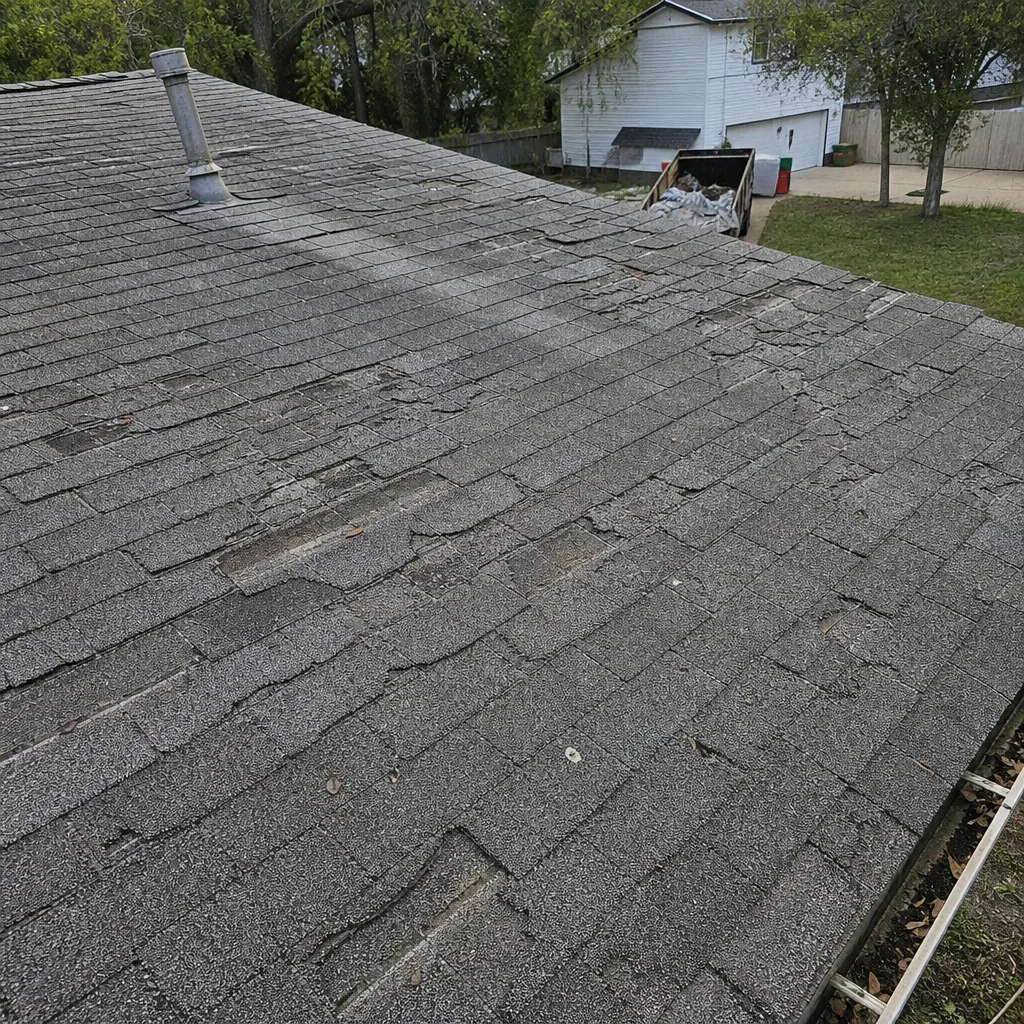 Before
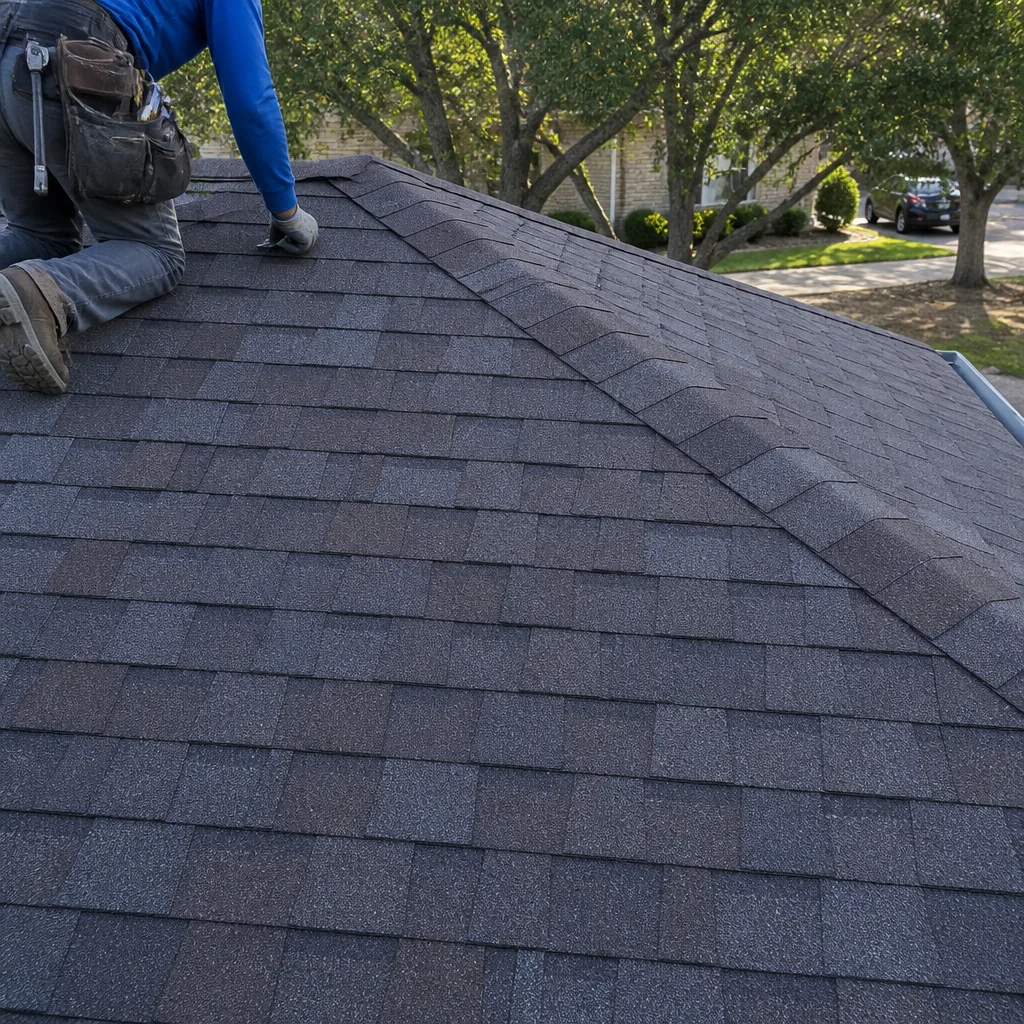 After
After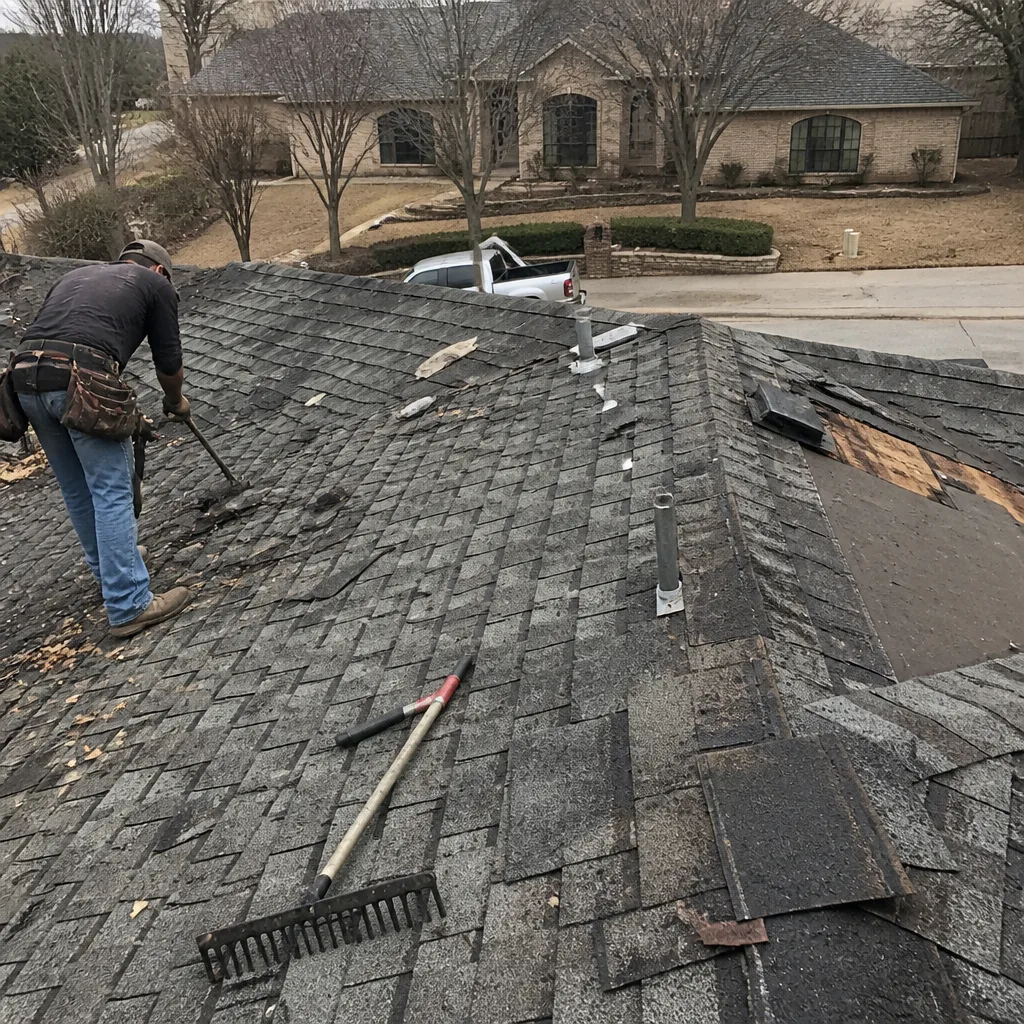 Before
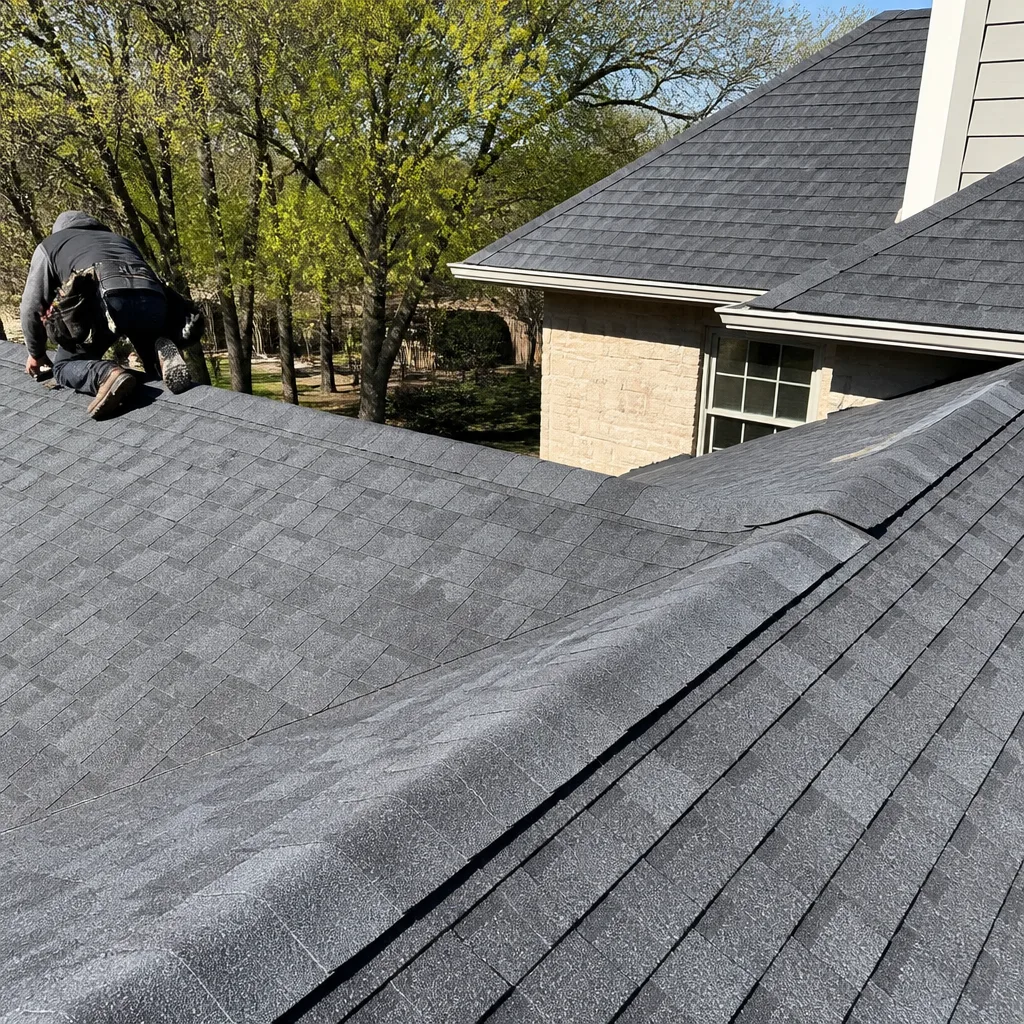 After
After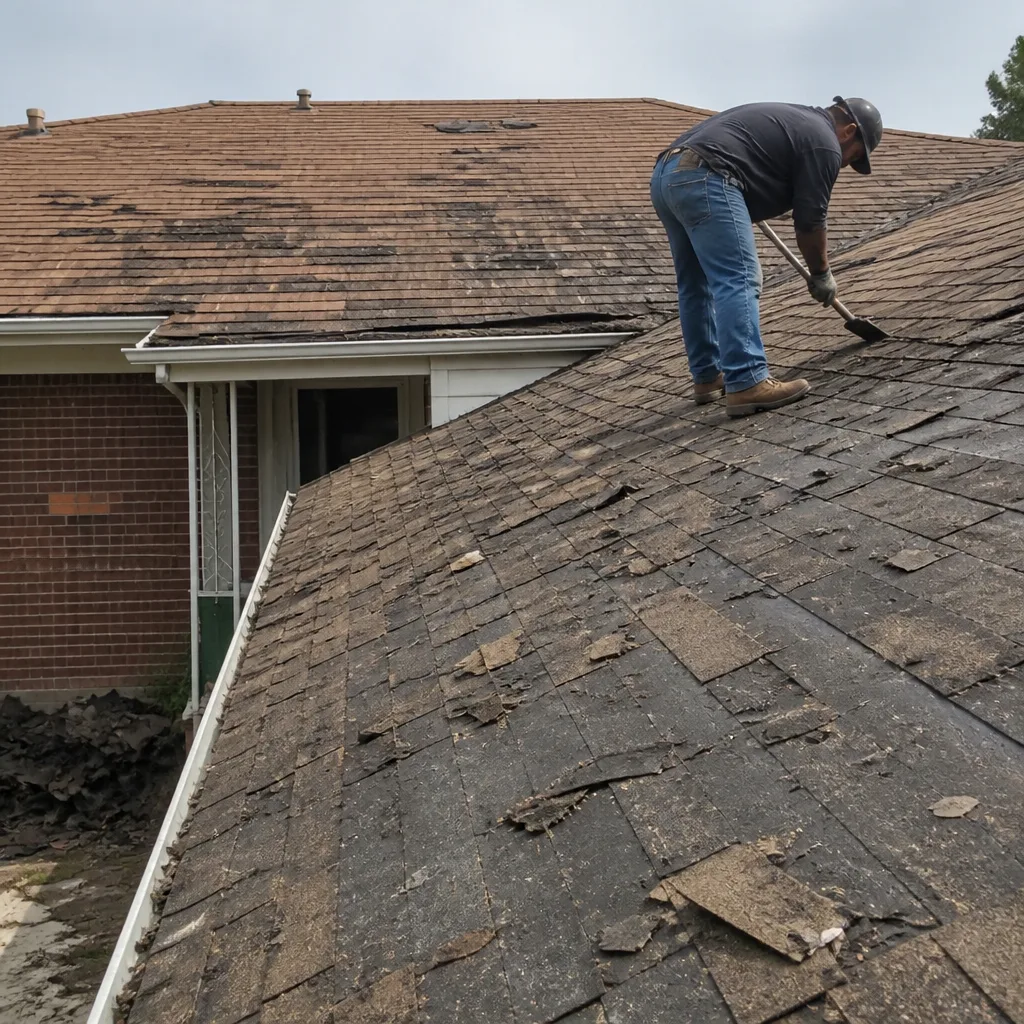 Before
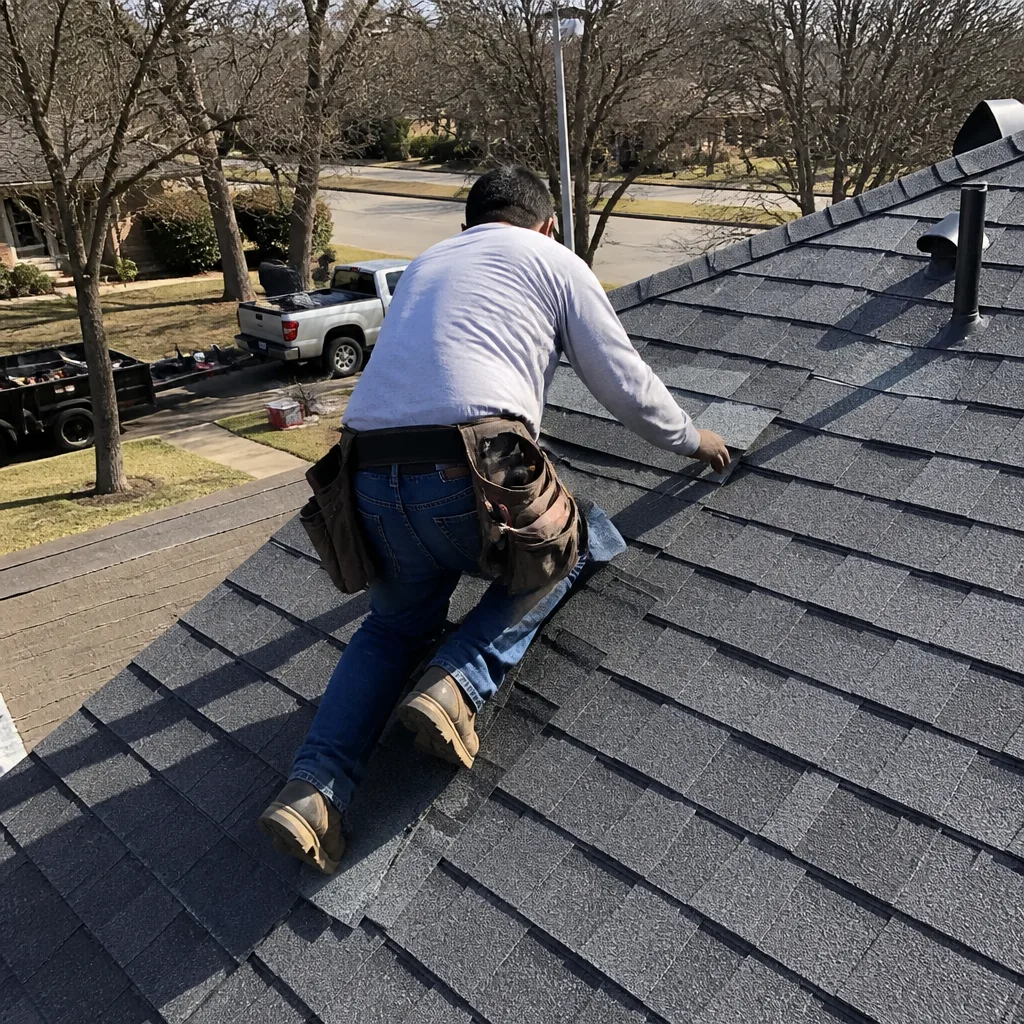 After
AfterWhen to Call a Professional
Call a professional when the work touches the roof system itself, not just the things on top of it. If you see decking, if the repair exceeds 100 square feet, if flashing is involved, if the roof is over fifteen years old and you’re patching more than a few shingles, or if you’re not comfortable on a sloped surface with proper fall protection, call someone who does this daily. The same applies after any hailstorm, even if you don’t see damage from the ground. Hail bruising hides in the shingle mat and shows up as granule loss months later, which is exactly when carriers start questioning the timeline. Brennan Roofing Co Fort Worth offers free estimates in Fort Worth and surrounding Tarrant County. Call (682) 900-7902 for a written price before any work starts.
We’re part of the Garrison Partners family, founded in 2000, and every Brennan Roofing location operates under the same Garrison Standard. You get a written price in hand before we touch the roof, background-checked uniformed technicians on every call, and the 365-Day Done Right Promise in writing for a full year. If you’re unsure whether a job is DIY territory, our opinion on that is free too. There’s no obligation to proceed. You’ll know the number on paper, and you can decide with the facts in front of you.
Frequently Asked Questions
Roof work under 100 square feet that does not expose decking is generally legal without a permit in Fort Worth. Roof work over 100 square feet, or any work involving structural decking replacement, requires a permit and inspection. Most shingle replacement beyond a small patch falls into the permit-required category. If you’re unsure where your project falls, call the city’s permitting office or ask a contractor like Brennan Roofing, a roofing company in Fort Worth, to evaluate it during a free estimate.
Most Fort Worth roof repairs range from $350 to $1,500 depending on scope. A simple pipe boot sealant or shingle replacement runs $350 to $750. Flashing work at a chimney or wall junction runs $600 to $1,200. Anything involving decking replacement or structural repair runs higher, typically $1,200 to $3,500 depending on the square footage exposed and the decking condition. Call (682) 900-7902 for an exact quote. Estimates are free.
Yes. If a DIY repair fails and compromises the roof system, your carrier can deny a subsequent storm claim under the policy’s “workmanlike installation” exclusion. The denial typically cites that the roof was not maintained or repaired to professional standards, and the full replacement cost falls on the homeowner. This is the single most important reason to limit DIY work to maintenance-level tasks.
Any pitch above 4:12, which is common on most Fort Worth homes, requires walk boards or a harness system for safe access. A 6:12 pitch without fall protection is a statistically significant injury risk. If you don’t own proper fall protection equipment and know how to use it, don’t get on the roof.
Yes. Manufacturers including GAF, CertainTeed, and Tamko require professional installation for warranty eligibility. DIY installation voids the manufacturer’s warranty, which means you bear the full cost if the shingles prove defective. You also lose the installer’s workmanship guarantee, since there is no installer.
A thorough roof inspection takes 45 to 90 minutes depending on roof complexity, accessibility, and whether attic access is included. Brennan Roofing’s Fort Worth roof inspections include a written summary of findings with photos, and the inspection fee is credited toward any repair work you choose to proceed with.
The Bottom Line
The DIY-versus-professional roofing decision in Fort Worth comes down to this: maintenance yes, modification no. Clean your gutters, check your attic ventilation, and touch up sealant around pipe boots without hesitation. Those jobs save real money and carry no meaningful risk. But the moment work touches shingles, flashing, decking, or underlayment, you’re in permit territory, warranty territory, and insurance territory, and the professional route is both legally cleaner and financially safer. A disciplined contractor with a written price and a written guarantee is not a cost. It’s the cheapest way to own a roof in Fort Worth. If you’re weighing a repair or replacement, explore our more guides & resources or call (682) 900-7902 for a free estimate and a written price before any work starts.
Written by Travis Oakley, Owner at Brennan Roofing Co Fort Worth, serving Fort Worth since 2000.