

Last updated October 17, 2026
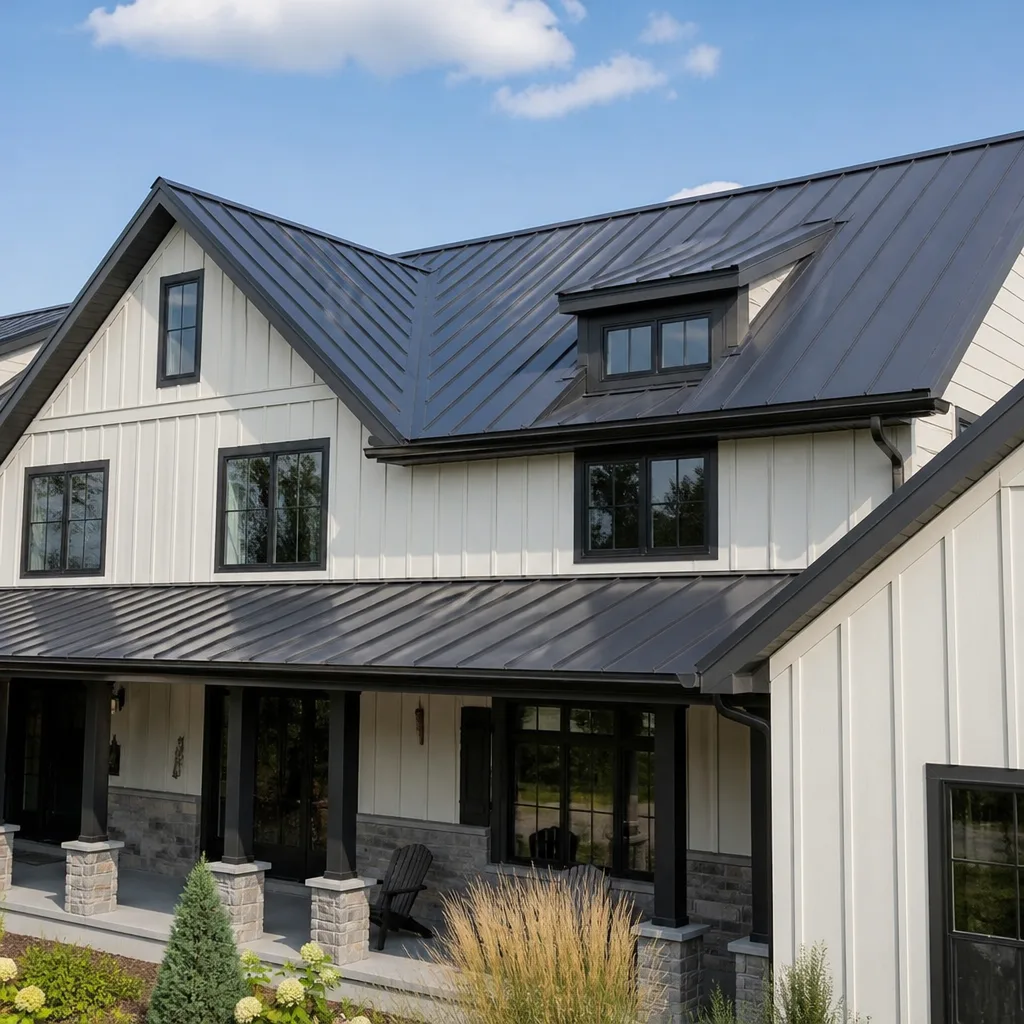 Metal roofing
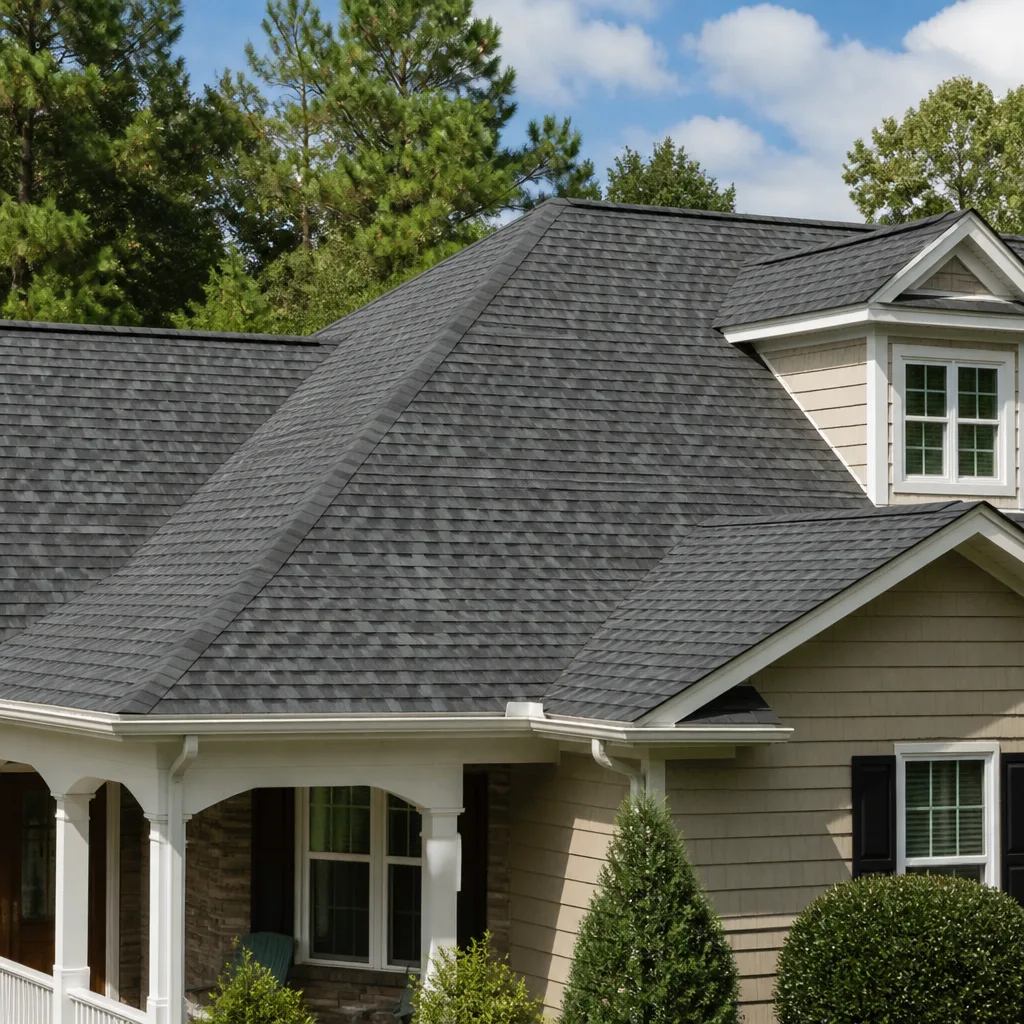 Architectural shingles
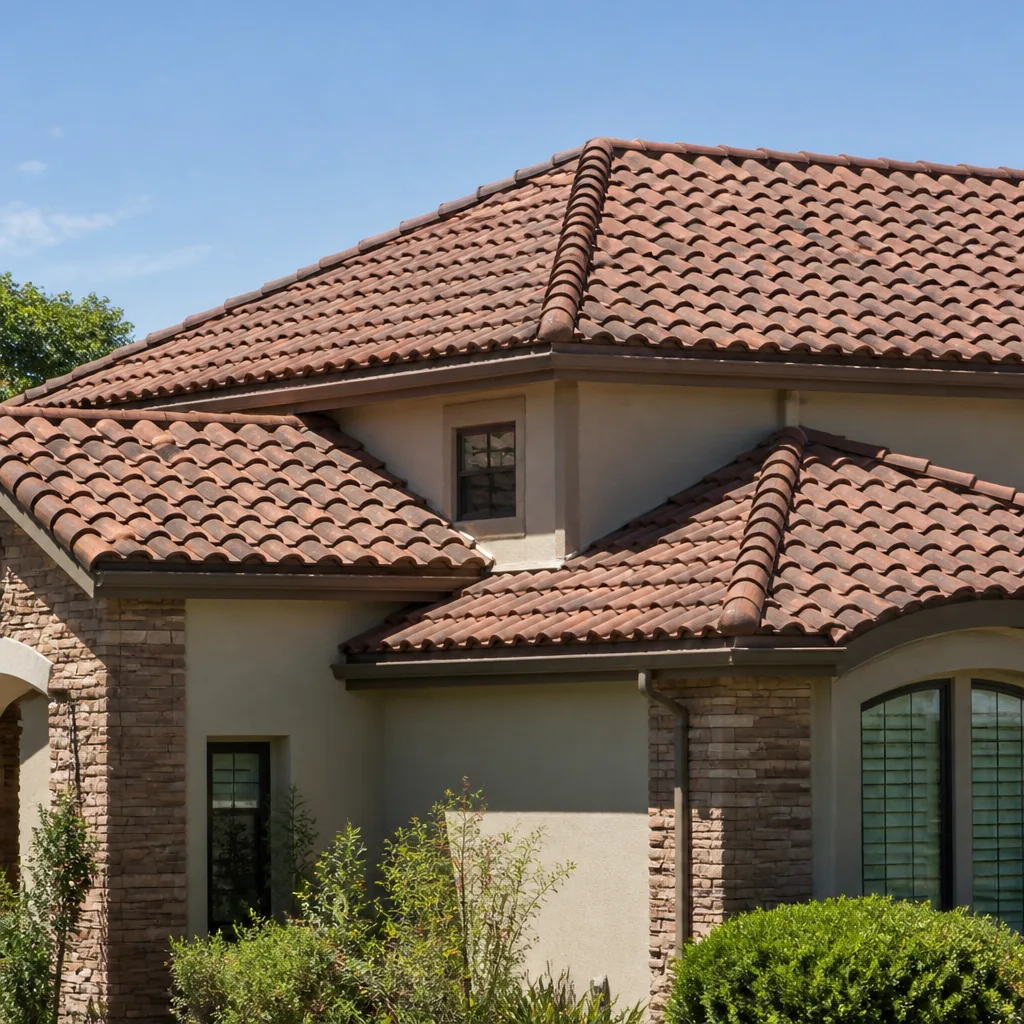 Tile roofing
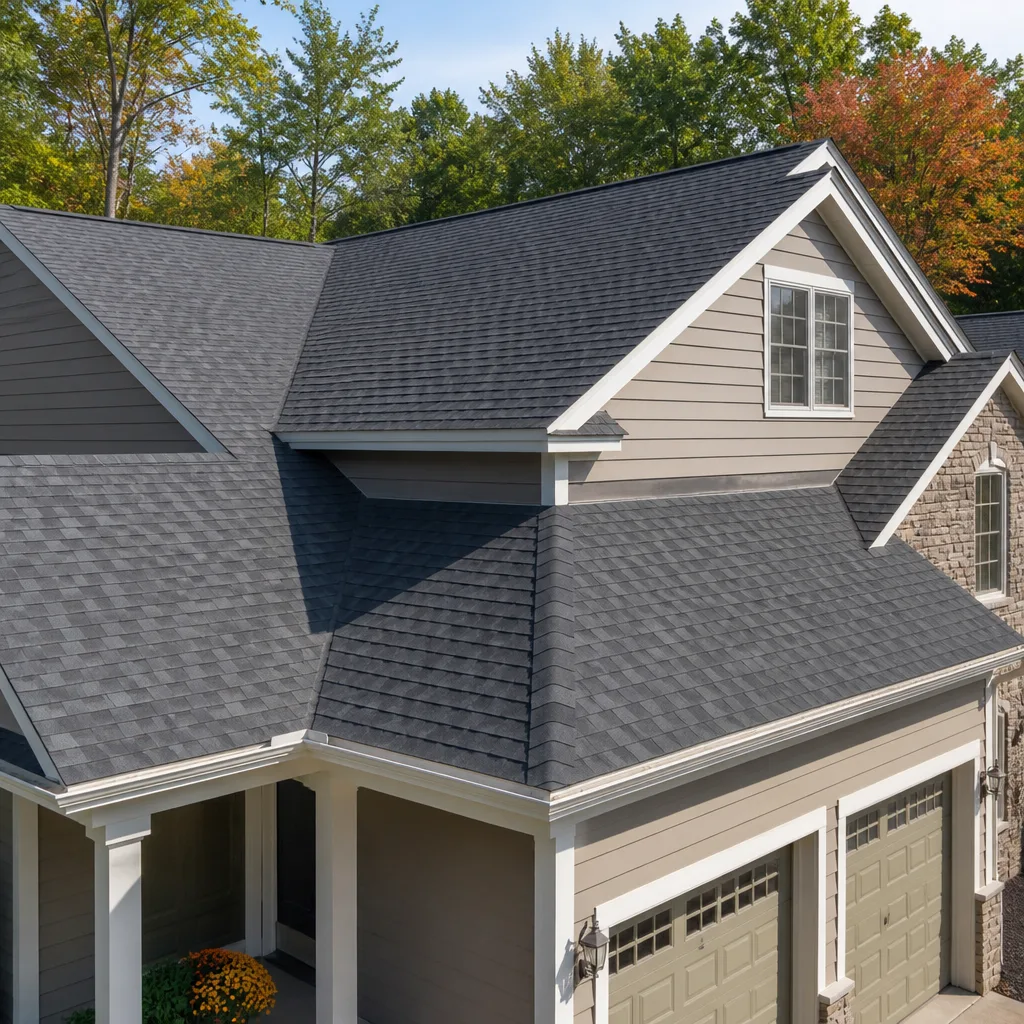 GAF
GAF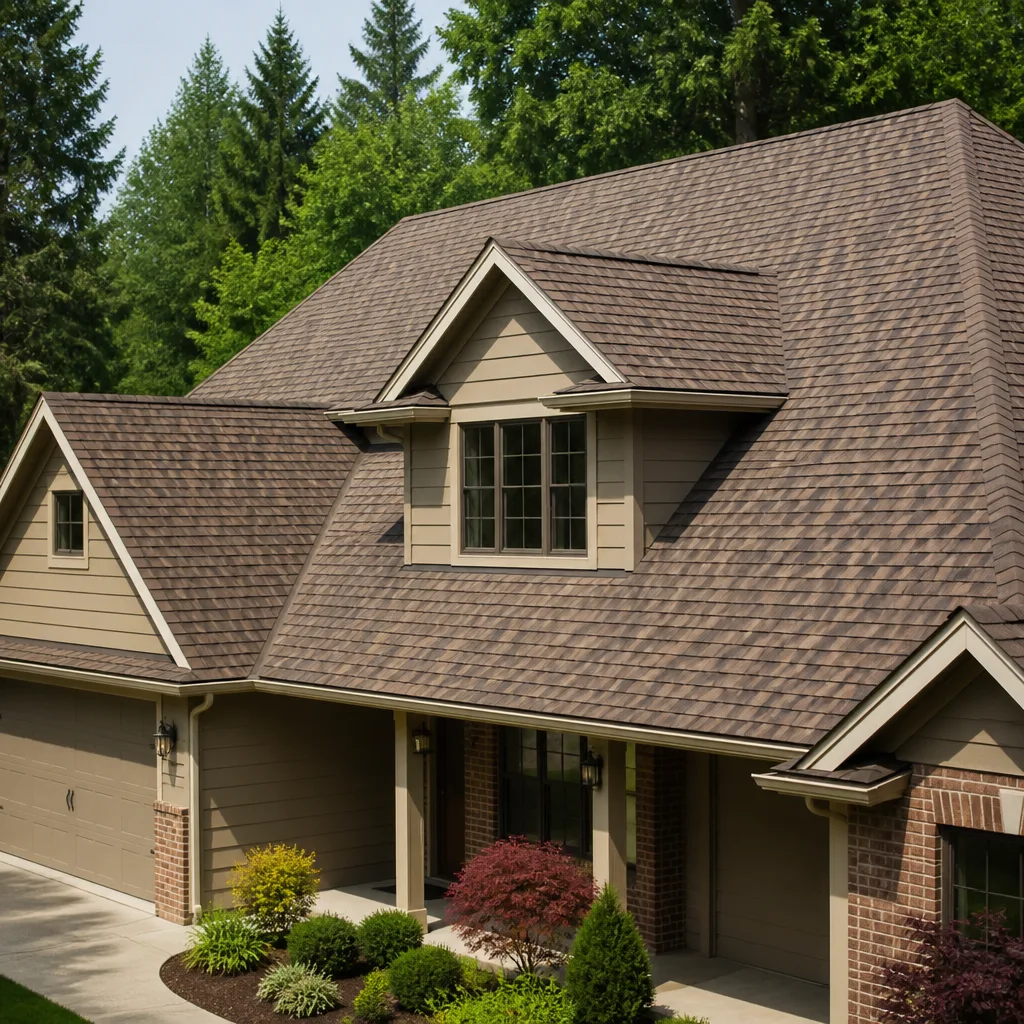 Owens Corning
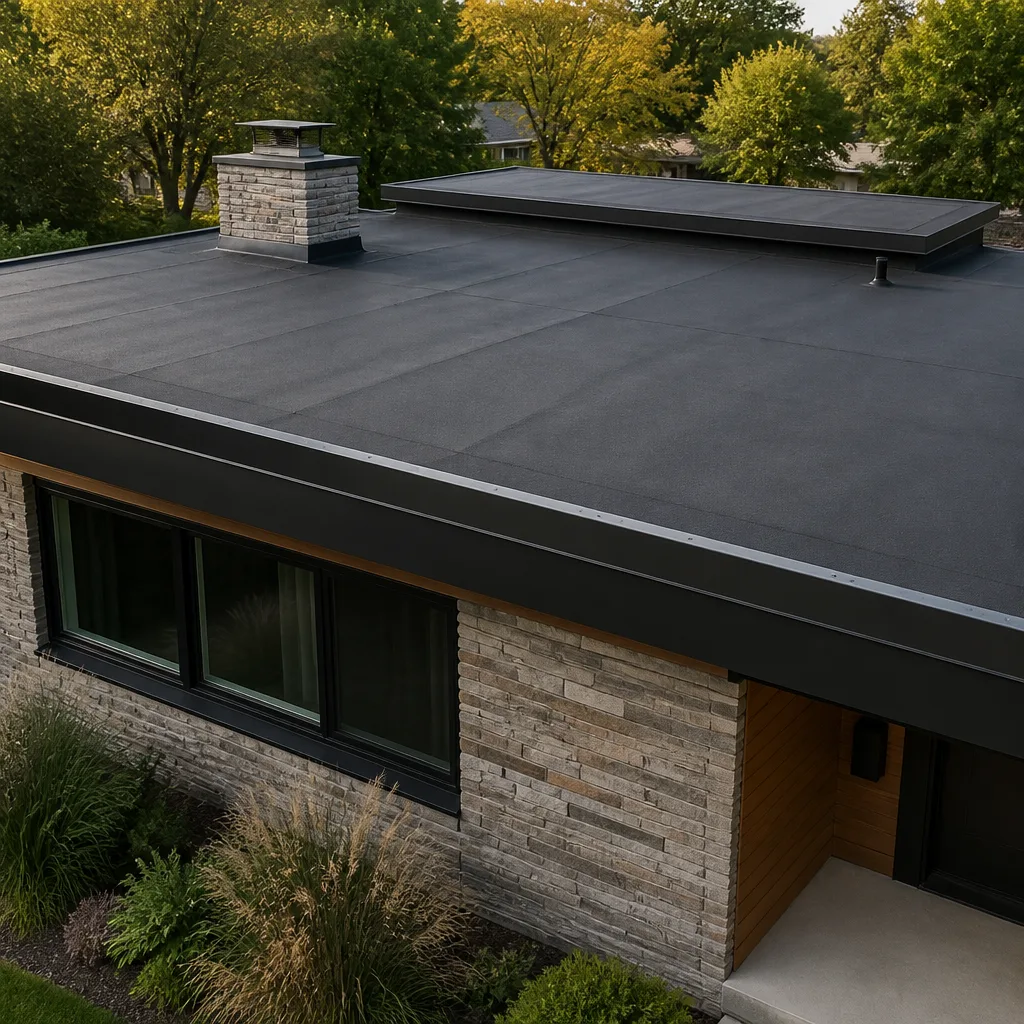 Flat & low-slope
Free roof inspection with deck photos before we talk money - GAF and Owens Corning certified installation
How to Hire a Roofing Contractor in Fort Worth: A Step-by-Step Guide
After the April 2023 hail outbreak tore across Tarrant County, the Texas Department of Insurance flagged a measurable spike in roofing fraud complaints. The detail that kept surfacing: most victims said the contractor “seemed professional” at the door. That’s because storm chasers don’t win on credentials. They win on timing, pressure, and a clipboard. This guide walks through a concrete vetting process, developed from what we’ve seen on real Fort Worth roofs, that filters those operators out before a signature ever happens, and you can find more guides & resources in our blog. You’ll learn how to verify a license in under three minutes, which contract terms actually protect you, and how to compare three bids on the same basis.
Styles & brands we work with
Quick Answer
Hiring a roofing contractor in Fort Worth comes down to four steps: verify the contractor’s Texas license status through TDLR, get the full scope of work in writing before any money changes hands, read the warranty for a named obligor and a stated duration, and compare competing bids line-by-line rather than bottom-line-to-bottom-line-our Roofing Company Maintenance Checklist for Fort Worth Homeowners covers additional steps to protect your investment. If a contractor won’t put the price on paper before work starts or pushes you to sign an Assignment of Benefits before your insurance adjuster has looked at the roof, walk away.
Table of Contents
- How to Verify a Texas Roofing Contractor’s License Status in Under Three Minutes
- The Specific Contract Terms That Protect a Fort Worth Homeowner
- Storm-Chaser Red Flags Unique to Fort Worth
- How to Compare Three Competing Bids on the Same Basis
- Questions to Ask a Contractor’s References That Reveal Reliability
- What Fort Worth’s Climate and Market Mean for Your Roofing Decision
- Common Mistakes to Avoid
- When to Call a Professional
- Frequently Asked Questions
- The Bottom Line
How to Verify a Texas Roofing Contractor’s License Status in Under Three Minutes
Texas does not require a general contractor’s license for roofing, but it does require registration with the Texas Department of Licensing and Regulation (TDLR). That distinction trips up a lot of homeowners, because “registered” is not the same as “licensed” in the way an electrician or plumber is licensed. What TDLR registration gives you is a verifiable record that the contractor exists, carries the required commercial liability insurance, and has a named responsible party. Here’s the three-minute check:
- Go to the TDLR website and open the “License Data Search” tool.
- Enter the business name exactly as it appears on the contractor’s paperwork. Partial names work, but the exact registered name is cleaner.
- Confirm the registration is active and note the registration number.
- Check the insurance field. Texas requires registered roofing contractors to carry commercial general liability coverage with a minimum limit of $300,000 per occurrence.
- Look at the address tied to the registration. If the address on file is a P.O. box in another state, that’s a signal worth investigating.
One thing TDLR registration does not do is rate the quality of the contractor’s work. It’s a floor, not a ceiling. In our experience around Fort Worth, storm chasers often do have an active TDLR registration because it’s cheap and fast to get. What they lack is a local business address, a physical presence you can revisit, and a track record in Tarrant County that survives a hail season. So verify the TDLR registration, but treat it as step one, not the whole filter.
You can also ask for a Certificate of Insurance directly from the contractor’s insurer. Ask that the certificate list you, the homeowner, as the certificate holder. That way the insurer notifies you if the policy lapses mid-job. Most legitimate contractors will send this within a day. Contractors who stall on it are usually stalling for a reason.
The Specific Contract Terms That Protect a Fort Worth Homeowner
A roofing contract is only as good as the terms you can hold someone to. Far too many Fort Worth homeowners sign one-page agreements that amount to a price and a handshake, then learn what wasn’t covered when the first problem appears. The contract terms below are the ones that matter most in Texas, where homeowners have limited recourse once money has moved.
Written scope of work
The scope should describe exactly what will be done: tear-off of existing roofing down to the decking, installation of new underlayment, new drip edge, new flashing at all penetrations, new ridge vent or other ventilation as specified, and installation of the shingle system. If the contract says “re-roof” and nothing else, you don’t have a scope, you have a wish. The scope is what you’ll point to if the crew skips the drip edge.
Material brand and grade
The contract should name the manufacturer, the shingle line, and the grade. “Architectural shingle” is not specific enough; “GAF Timberline HDZ” or “CertainTeed Landmark” is. Materials sourced from leading manufacturer lines including GAF, CertainTeed, Owens Corning, IKO, Atlas, Tamko, and Boral carry different warranties and different performance characteristics. You should know which one you’re buying before you sign, not find out when the truck pulls up.
Payment schedule tied to milestones
Never hand over the full balance before work begins. A reasonable structure in Fort Worth is a deposit no larger than a third of the total, a second payment when materials are delivered and the old roof is torn off, and final payment when the job is complete and the site is clean. Avoid any contractor who asks for full payment upfront or wants the final check before you walk the roof.
Stated warranty with a named obligor
The warranty language should name who is obligated to honor it: the contractor by legal company name, not a vague “all work guaranteed” sentence. It should state the duration. A one-year workmanship warranty in writing is a common baseline in this market, though longer terms exist. The manufacturer’s material warranty is separate and should also be named. If the contract doesn’t say who owes you the fix, it’s not a warranty, it’s a slogan.
At Brennan Roofing Co Fort Worth, the price goes on paper before any work starts. The scope names materials by brand and grade. And the work is backed by the 365-Day Done Right Promise: if it’s not done right, we make it right, in writing, for one full year, with a free return visit if the repair or installation fails within that period. That’s the level of specificity you want from any contractor you hire.
Storm-Chaser Red Flags Unique to Fort Worth
Fort Worth sits in the middle of hail alley. Storms in March, April, and May routinely produce hail large enough to break shingles and dent metal. After each one, a wave of out-of-state crews follows the storm pattern from one city to the next. They don’t move here. They chase claims. And they use the same playbook every time, which means the red flags are predictable if you know what to look for.
- Out-of-state plates on the work trucks. A crew from Ohio or Florida canvassing a North Texas neighborhood three days after a hail event is not a local roofer who happened to be in the area. It’s a storm chaser.
- No local business address. Ask where the company’s office is. If the answer is “we’re based in Dallas” but the business address is a virtual office or a rented mailbox, that’s a dead end when something goes wrong.
- Pressure to sign an Assignment of Benefits before your insurance adjuster visits. An AOB is a legal document that transfers your claim rights to the contractor. Some Fort Worth homeowners have signed these and then discovered the contractor is negotiating with the insurer without them. Never sign an AOB in the first meeting. If a roofer wants your rights to your claim, that’s not a roofer, that’s a middleman with a ladder.
- Door-knocking immediately after the storm. Legitimate local roofers in Fort Worth are working through existing jobs and incoming calls. Storm chasers knock doors because they have no local reputation to generate work from.
- “We can get you a free roof” language. In Texas, waiving a deductible is insurance fraud. Contractors who promise the job will cost you nothing often inflate the claim to cover the deductible, which is a form of fraud that can land the homeowner in trouble too.
- Urgency tied to a “limited time.” Real deadlines in roofing are tied to material lead times and your insurance claim window, not a discount that expires Saturday. Artificial scarcity is a pressure tactic, not a business practice.
We’ve seen this pattern repeat across Tarrant County for years. After a big hail event, the calls from homeowners who signed quickly and got burned start coming in about six months later, when the first leak appears and the contractor doesn’t answer the phone. The Garrison Standard, by contrast, means every customer gets a written price before any work starts and a named guarantee in writing. That’s the difference between a roofer who is accountable to you and a roofer who is already on his way to the next storm.
How to Compare Three Competing Bids on the Same Basis
The most common mistake when comparing roofing bids in Fort Worth is comparing only the bottom-line price. A $16,500 bid and a $21,000 bid might look like a $4,500 difference, but if the first bid excludes underlayment, skips drip edge, and uses a lower-grade shingle, the cheaper bid is actually the worse deal. The fix is to compare line items, not totals. Here’s a checklist to put every bid on the same footing.
- Tear-off and disposal. Does each bid include full removal of the old roof down to the decking, plus haul-off and dump fees? Some low bids assume a nail-over, which is allowed in some jurisdictions but hides decking damage.
- Underlayment. Is synthetic underlayment specified by brand and type? A bid that says “felt paper” or doesn’t mention underlayment at all is incomplete.
- Drip edge. Is drip edge at all eaves and rakes included? Cheap bids often skip it, which shortens roof life at the edges.
- Flashing. Is flashing at all penetrations, valleys, sidewalls, and chimney included? This is where leaks start.
- Ventilation. Does the bid include ridge vent, intake venting, or whatever ventilation system the roof needs? Skipping ventilation voids many shingle warranties.
- Shingle brand and grade. Same manufacturer, same line, same grade. “Architectural” is not enough.
- Warranty terms. How long is the workmanship warranty, who is the named obligor, and is it in writing?
- Decking replacement. What is the price per sheet if rotted decking is discovered after tear-off? A bid should state this unit price upfront so you’re not negotiating plywood prices mid-job.
If a bid doesn’t itemize, ask for an itemized version. Contractors who refuse usually have a reason. Comparing line items is how you protect yourself from the “low bid that isn’t a real bid” problem we see regularly in neighborhoods like Wedgwood, Ryan Place, and along the Trinity Trails.
Questions to Ask a Contractor’s References That Reveal Reliability
Most homeowners call references and ask some version of “Were you happy with the work?” That’s a question that measures friendliness, not reliability. A better approach is to ask questions that reference past behavior that predicts future behavior. Here are five questions that get at what actually matters.
- “Did they show up when they said they would?” On the day of the job, was the crew there within the promised window? This tells you whether the contractor runs a schedule or runs on vibes.
- “Was the final invoice within 10% of the estimate?” A vague positive answer is common. A specific answer like “Yes, and they flagged one plywood sheet and the price matched the contract” tells you the contractor honors written pricing.
- “How did they leave the job site?” Nails in the yard, shingle wrappers in the flowerbed, and debris left for the homeowner to clean up are signals about how the contractor runs his operation. Magnets for nails and a final walk-through are signals the other way.
- “Did you have to call them back for anything?” Not because callbacks are always a problem, but because how the contractor handled the callback tells you the real story. A reference who says “There was a small issue and they came back the same week and fixed it” is more valuable than one who says “No problems.”
- “Would you hire them again if you had another roof to do?” This is the question that cuts through everything. If the answer is a pause followed by “Well…”, that pause is your answer.
You don’t need ten references. Three good references who answer these questions specifically will tell you more than a binder full of testimonials.
What Fort Worth’s Climate and Market Mean for Your Roofing Decision
Fort Worth roofing lives with two forces: hail and heat. The hailstorms that roll through Tarrant County each spring can turn a good roof into an insurance claim in ten minutes. The heat that sits on the Metroplex from June through September bakes shingles for months at a time, breaking down binders and shortening roof life even without a storm. Any material choice you make should account for both.
Class 4 impact-rated shingles are common in this market for a reason. Impact rating measures how well a shingle absorbs hail strikes without cracking. Class 4 is the highest rating under the UL 2218 standard. Homeowners in hail-prone parts of Fort Worth, including far north Fort Worth and areas along Loop 820, often choose Class 4 shingles because the upgrade can reduce the frequency of full roof replacements. Some insurance carriers offer premium discounts for Class 4-rated roofs, which is worth asking your insurer about before you commit.
Ventilation matters more in Fort Worth than homeowners realize. An attic that hits 140 degrees in August shortens shingle life and drives cooling costs up. A proper ridge vent with balanced intake venting keeps attic temperatures down, which the shingles thank you for. If a bid drops ventilation to save money, it’s not saving you anything in the long run.
For an introduction to how Brennan Roofing Co Fort Worth approaches this market, start with our Brennan Roofing Co Fort Worth home page or learn more about our background as a Roofing Company in Fort Worth. We install materials from manufacturer lines including GAF, CertainTeed, Owens Corning, IKO, Atlas, Tamko, and Boral, and we’ll explain the tradeoffs in plain language so you can choose with confidence.
Common Mistakes to Avoid
- Signing before getting a second opinion. After a hail storm, the pressure is real, but a second opinion on your own insurance claim is free and worth the time. Storm chasers count on you signing before you compare.
- Comparing only bottom-line prices. A low bid that excludes underlayment and drip edge is not cheaper, it’s just less roof. Compare line items, not totals.
- Hiring a contractor without looking up their TDLR registration. The search takes three minutes and tells you whether the company exists as a registered entity with insurance on file.
- Paying in full upfront. Once the money is gone, your leverage is gone. A reasonable deposit tied to materials or start date is standard; full payment before work is not.
- Signing an Assignment of Benefits without reading it. An AOB transfers your claim rights to the contractor and can remove you from the negotiation. Read it carefully, and if you don’t understand it, talk to a Fort Worth attorney or public adjuster before signing.
- Ignoring the warranty fine print. “Guaranteed” in a door-knocker’s pitch is not the same as a written warranty naming the company and covering one full year. Get it in writing or assume it doesn’t exist.
- Letting a roofer on your roof without a written scope of work. The scope is the contract’s backbone. Without it, the crew decides what “roofing” means, and their definition usually costs less than yours.
When to Call a Professional
Some roofing issues are obvious: water stains on the ceiling, shingles in the yard after a storm, or granule loss so heavy the gutters are filling with black grit. Other problems announce themselves quietly: a soft spot when you walk the roof, flashing that’s pulling away from the chimney, or an attic that feels like an oven in May and stays that way through October. If you see any of these, a professional roof inspection beats waiting for the ceiling to fall in. In Fort Worth, hail damage in particular should be assessed sooner rather than later, since insurance claim windows in Texas are typically one year from the date of loss. If you’re not sure what you’re looking at, Roof Inspection in Fort Worth is the right place to start. Brennan Roofing Co Fort Worth offers free estimates in Fort Worth – call (682) 900-7902 and we’ll walk the roof with you.
Frequently Asked Questions
A full asphalt shingle roof replacement in Fort Worth typically runs $11,000 to $22,000 for an average home, with architectural shingles landing in the $14,000 to $19,000 range. That’s a ballpark, not a bid. Your number depends on roofline complexity, tear-off depth, decking replacement needs, and the shingle grade you choose. For a written price specific to your house, call (682) 900-7902 for a free estimate.
Texas requires roofing contractors to register with the Texas Department of Licensing and Regulation and carry commercial general liability insurance, but it does not require a roofing license in the same sense that plumbing and electrical work are licensed. For a deeper look at the regulatory landscape, see our guide to Roofing Permits, Codes & Inspections in TX: What You Need to Know. Always verify the TDLR registration and ask for a Certificate of Insurance before signing anything.
An Assignment of Benefits is a legal document that transfers your insurance claim rights to the contractor, giving them the authority to deal directly with your insurer. You should not sign one in a first meeting, and you should not sign one at all until you’ve read it carefully and understand what rights you’re giving up. In Fort Worth, storm chasers often push AOBs immediately after a hail event, which is a red flag by itself.
A straightforward asphalt shingle tear-off and replacement on a single-family home usually takes one to three days once materials are on site. Weather, access, and roofline complexity can extend that. Repairs, by contrast, are often completed the same day. For a schedule specific to your job, call (682) 900-7902 for a written estimate.
In Tarrant County, it usually is. Class 4 shingles resist hail damage that breaks standard shingles, and some Fort Worth homeowners see an insurance premium discount for the upgrade. The premium over a standard architectural shingle varies by manufacturer and line; ask your insurer about the discount and your roofer about the material cost to compare. If you need a repair after a hail event before a full replacement makes sense, Roof Repair in Fort Worth covers what to expect.
Yes. Every estimate is free, and the price is written before any work starts, no exceptions. Call (682) 900-7902 to schedule yours.
The Bottom Line
Hiring a roofing contractor in Fort Worth is not about finding the lowest bid. It’s about finding a contractor who passes a specific vetting process: active TDLR registration, a written scope of work that names material brands and grades, a payment schedule that doesn’t require full payment upfront, a warranty with a named obligor and a stated duration, and references who answer reliability questions with specifics. Storm chasers fail that filter quickly. A disciplined contractor passes it without flinching. The Garrison Standard exists for exactly this reason: written price before work starts, background-checked uniformed technicians, a live person on the phone around the clock, and a 365-Day Done Right Promise in writing. Call (682) 900-7902 for a free estimate today.
Written by Travis Oakley, Owner at Brennan Roofing Co Fort Worth, serving Fort Worth since 2000.
See the difference
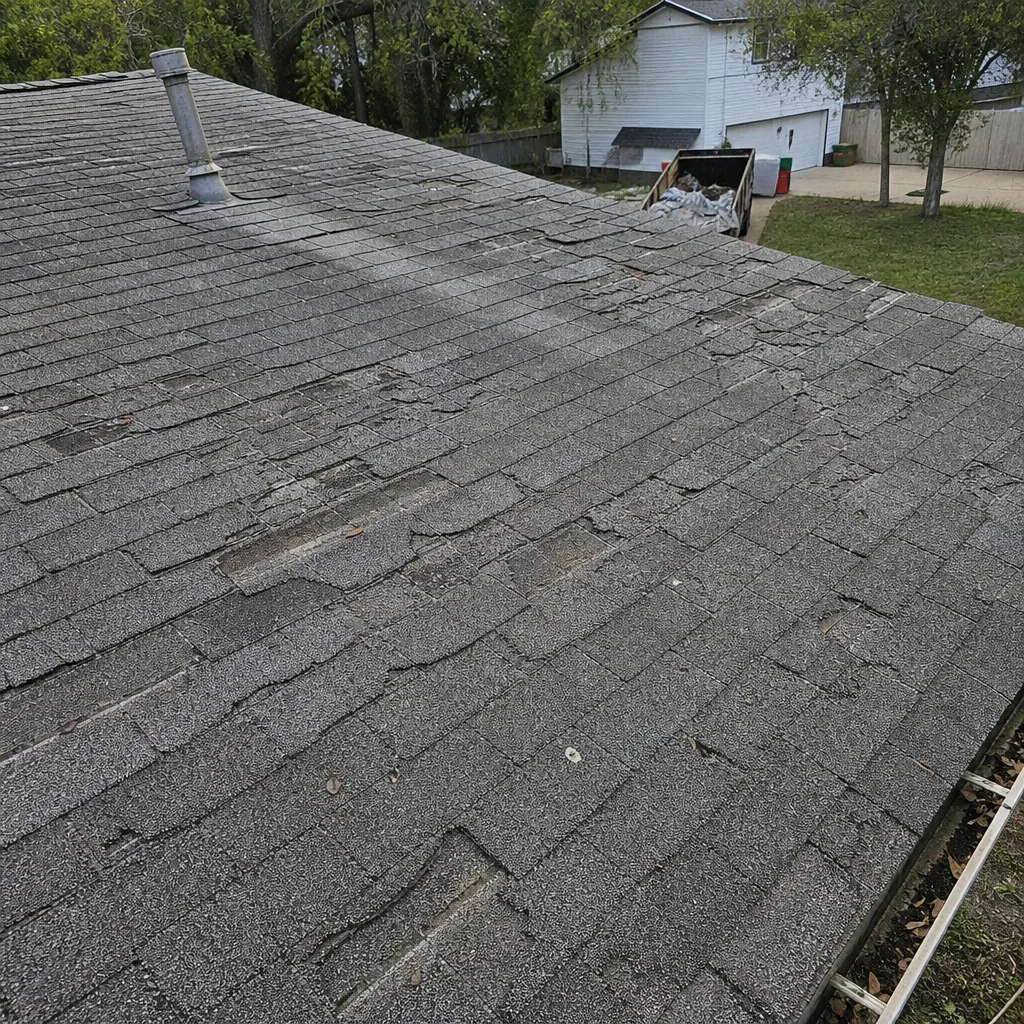 Before
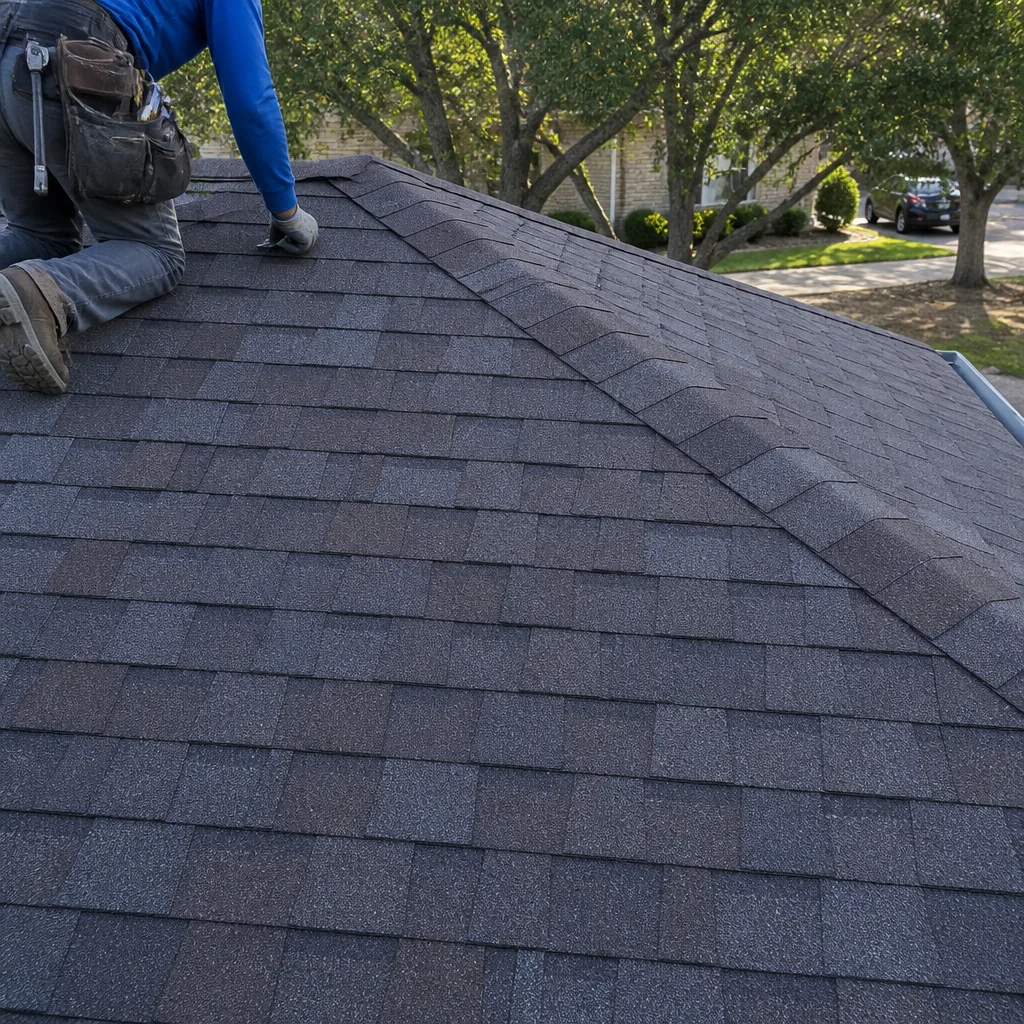 After
After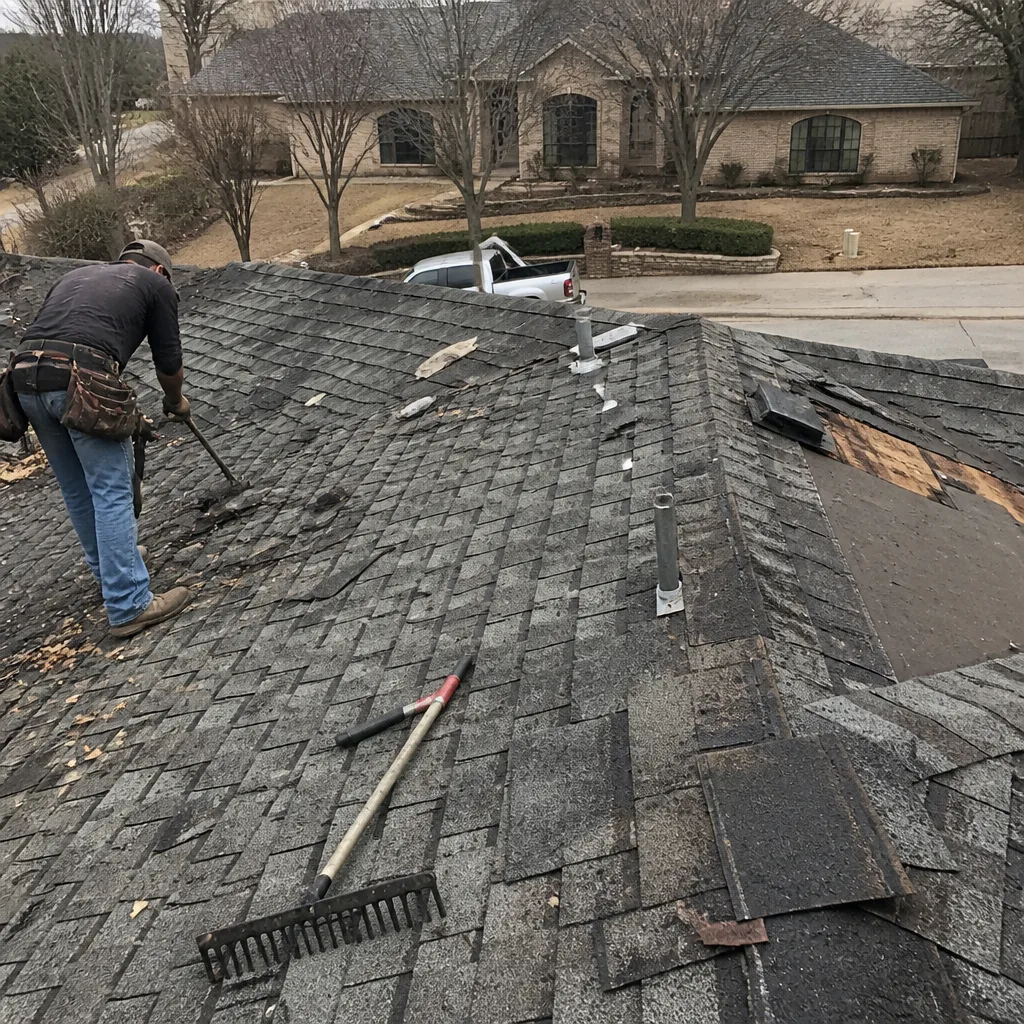 Before
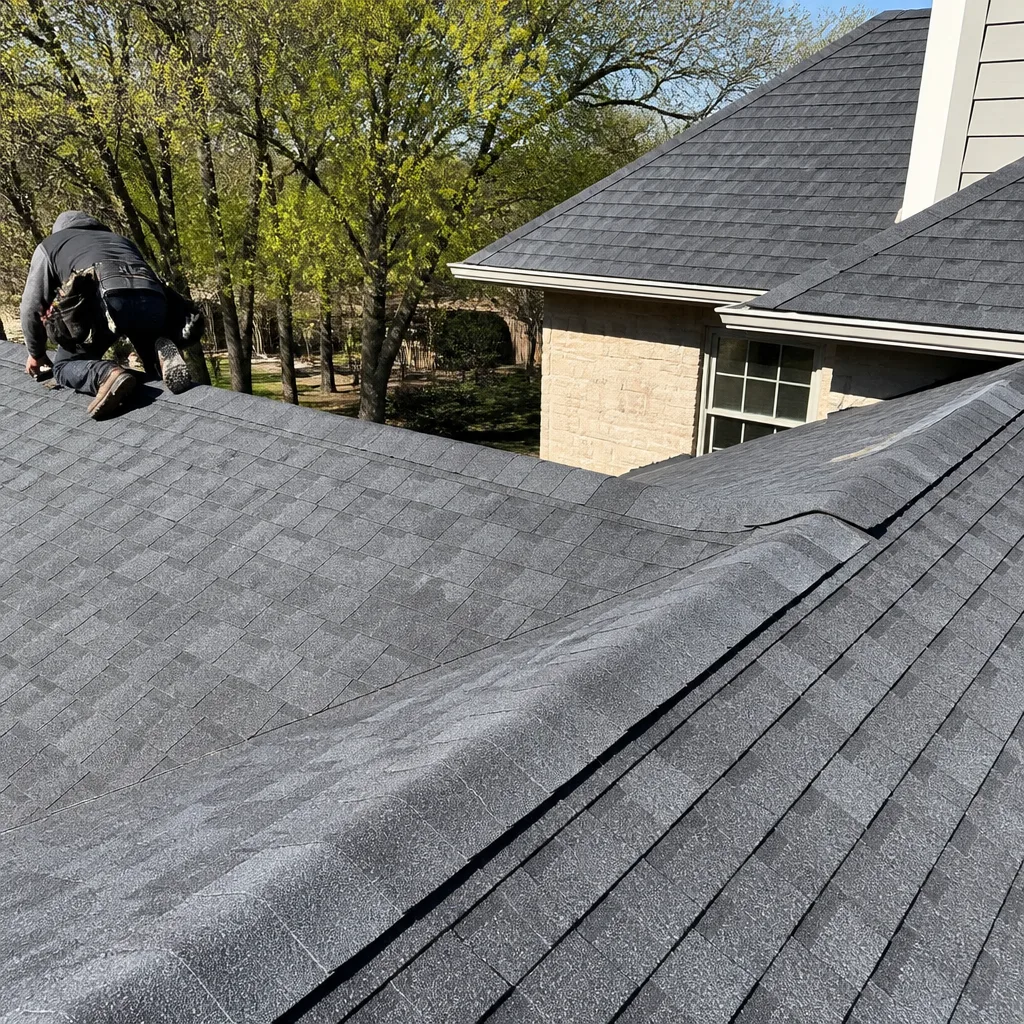 After
After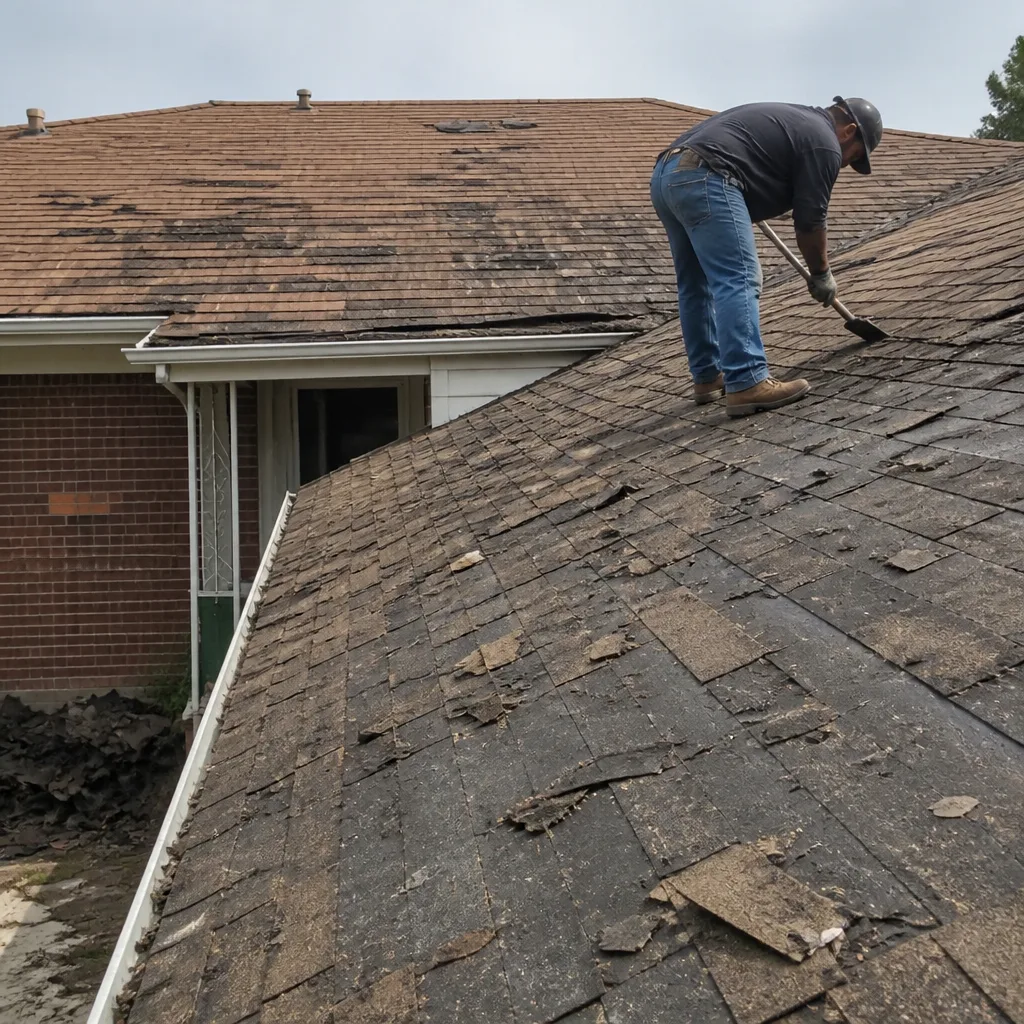 Before
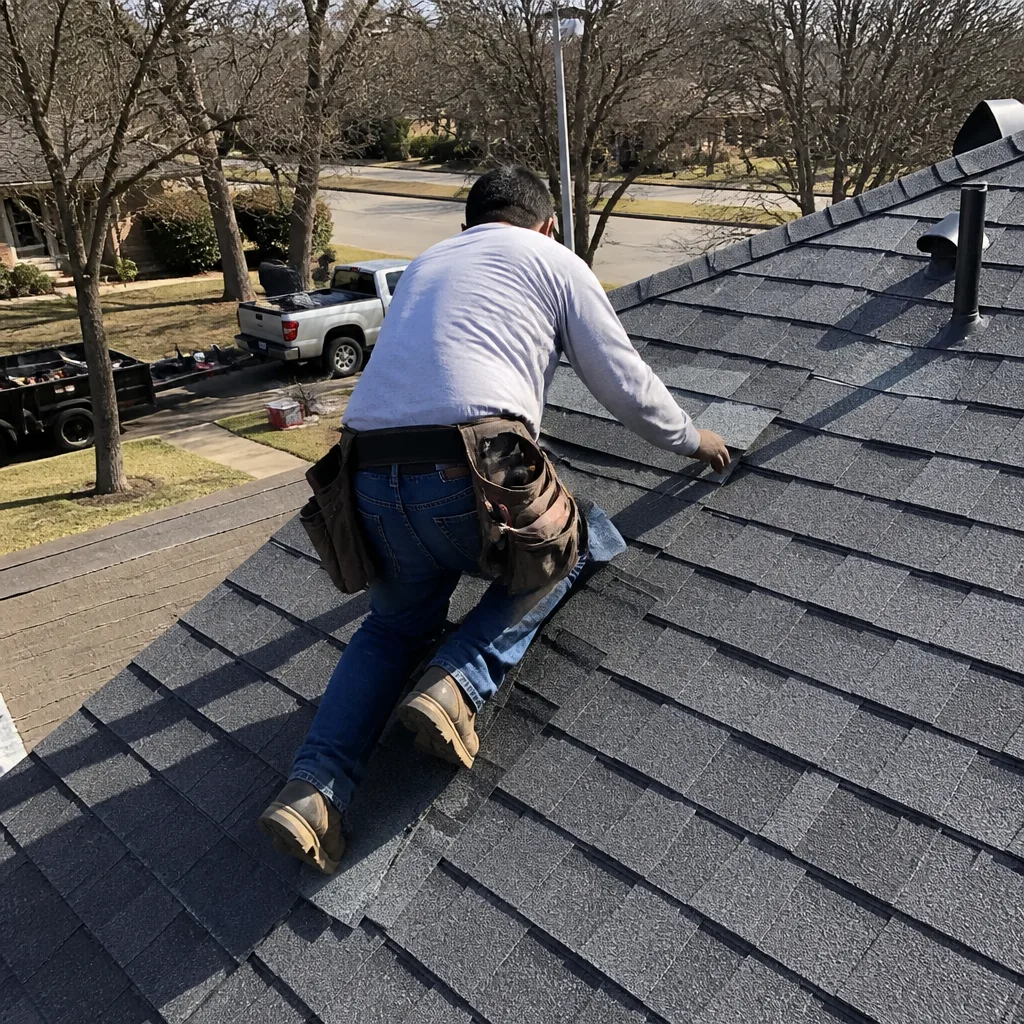 After
After