
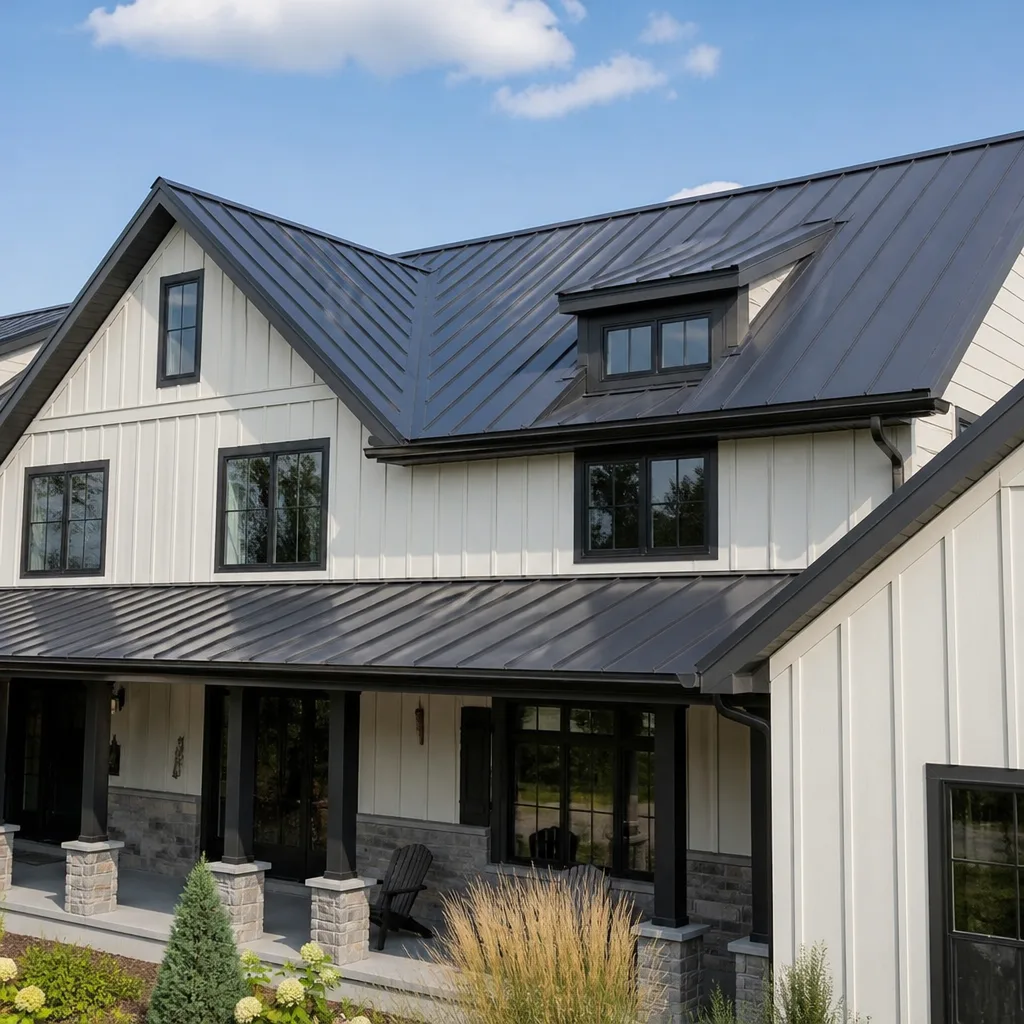
 Metal roofing
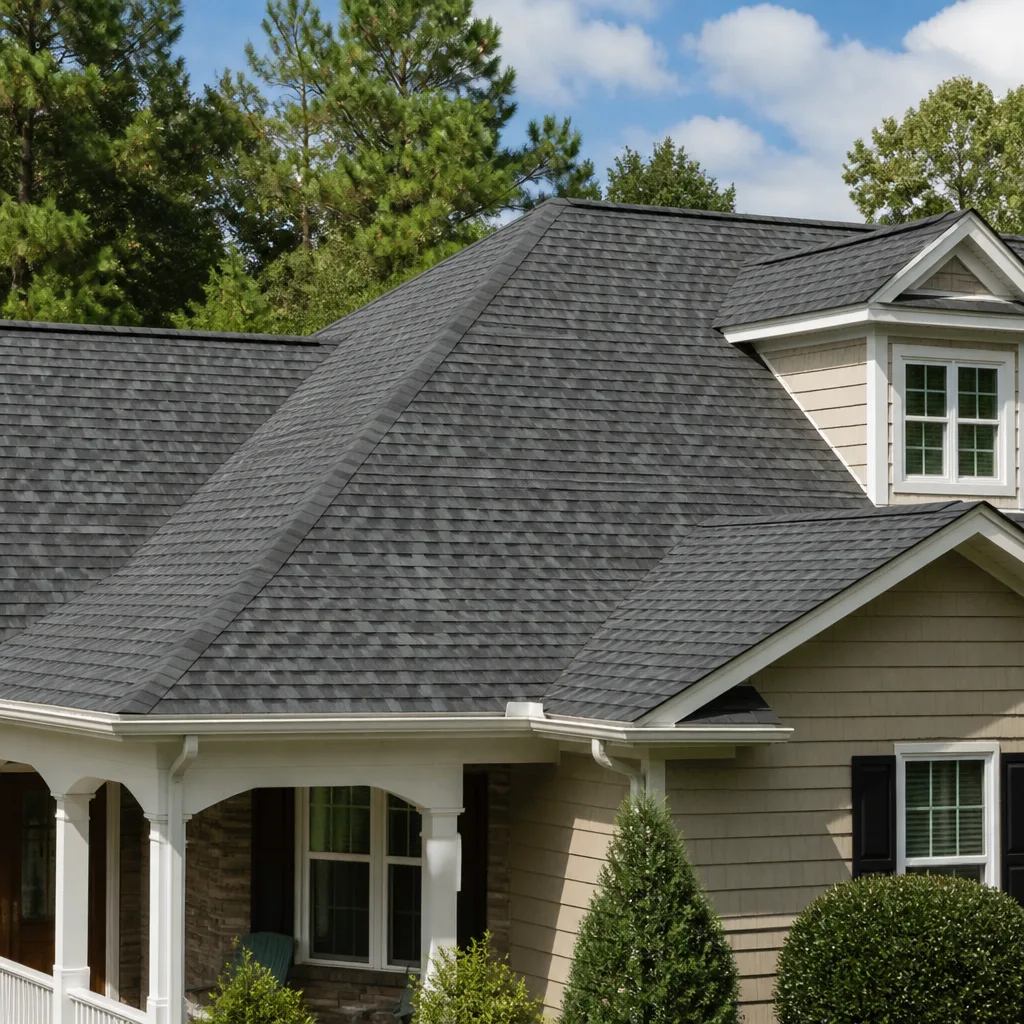 Architectural shingles
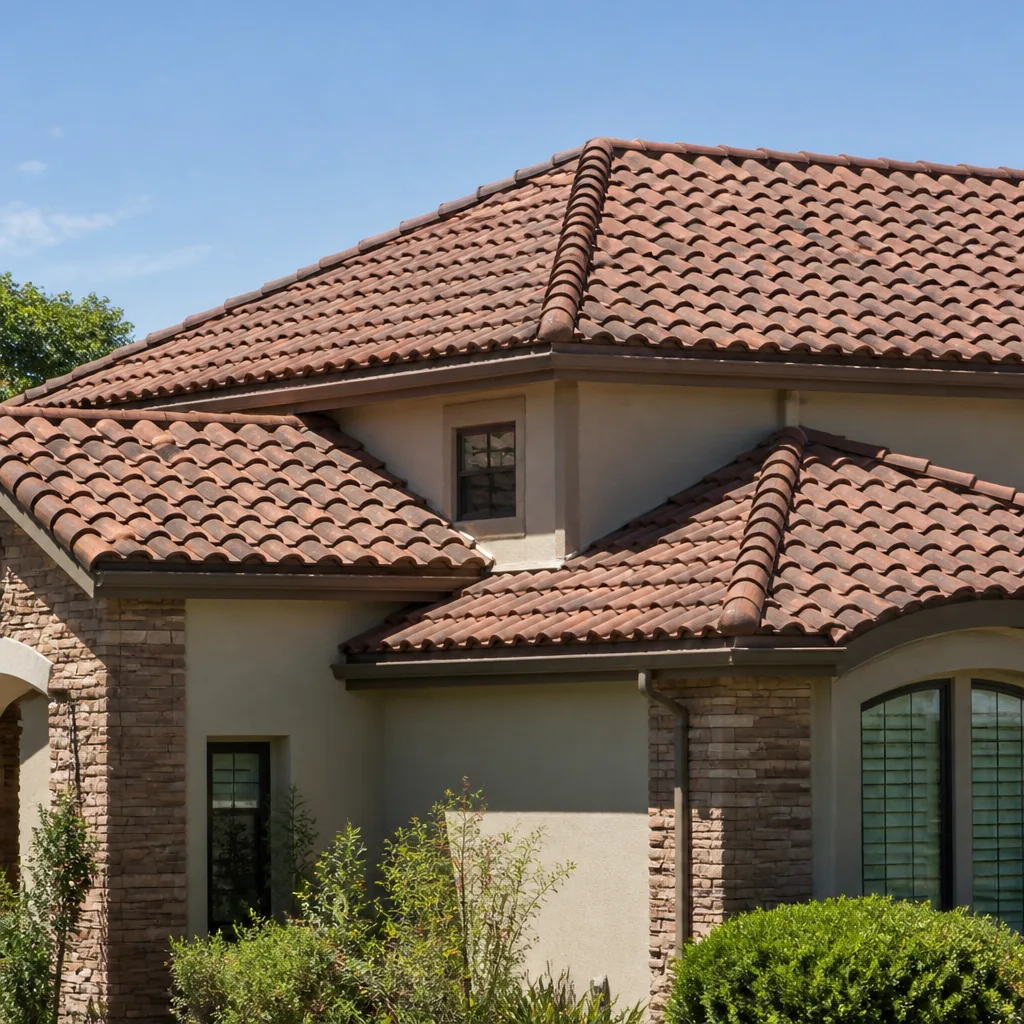 Tile roofing
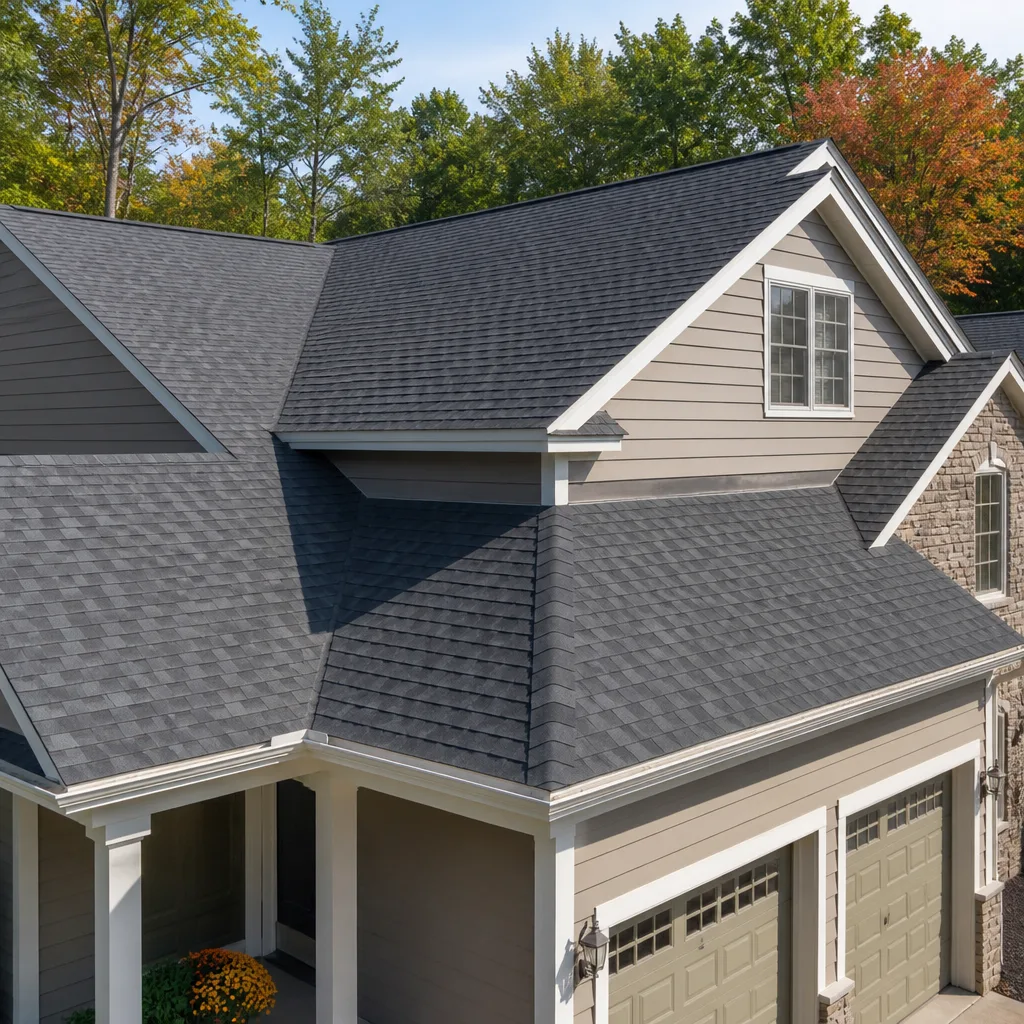 GAF
GAF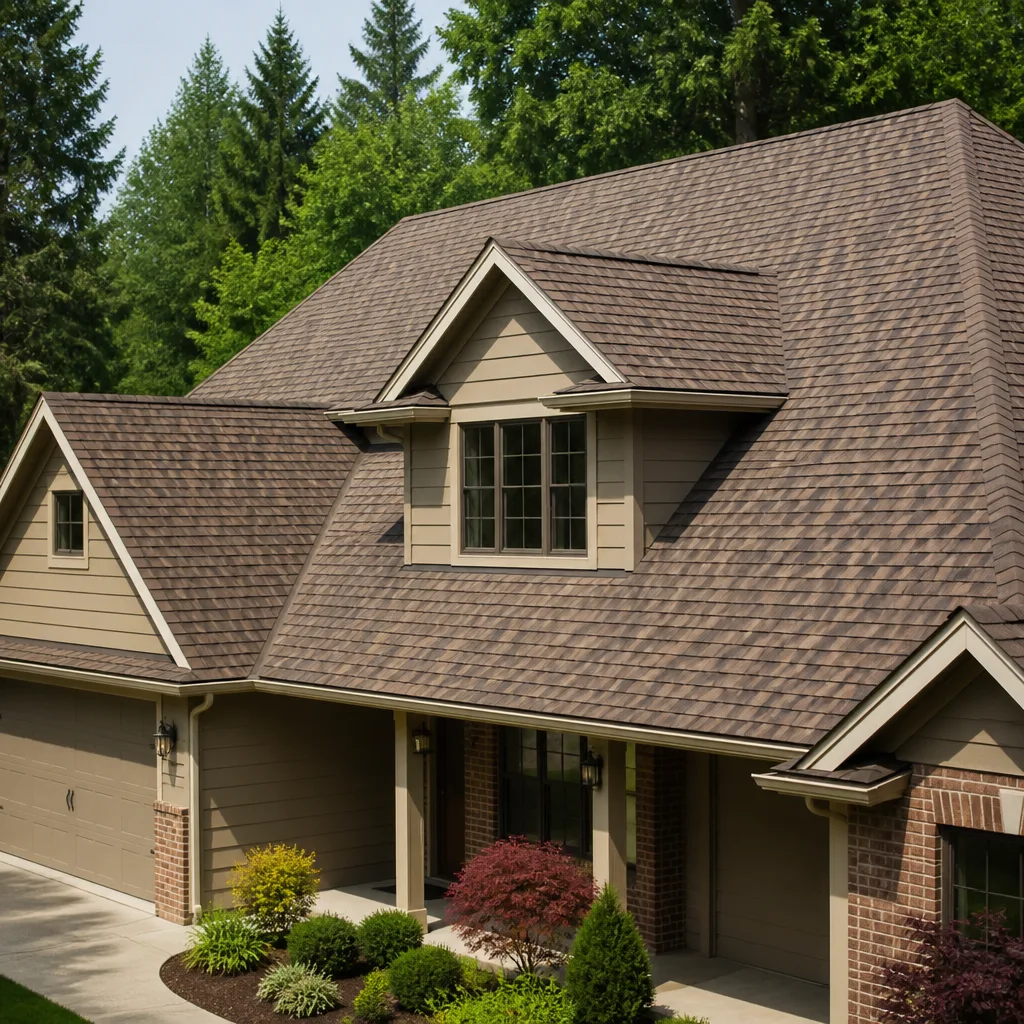 Owens Corning
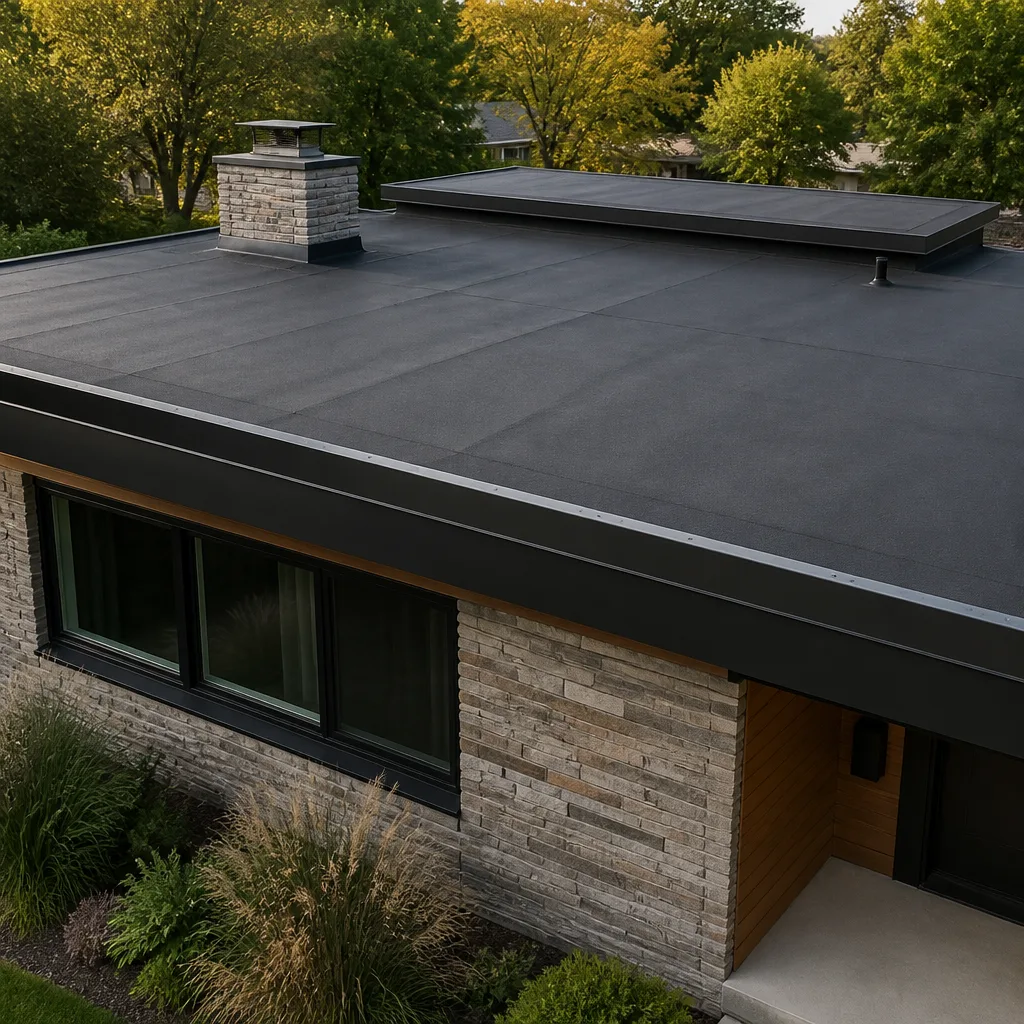 Flat & low-slope
Free roof inspection with deck photos before we talk money - GAF and Owens Corning certified installation
Styles & brands we work with
See the difference
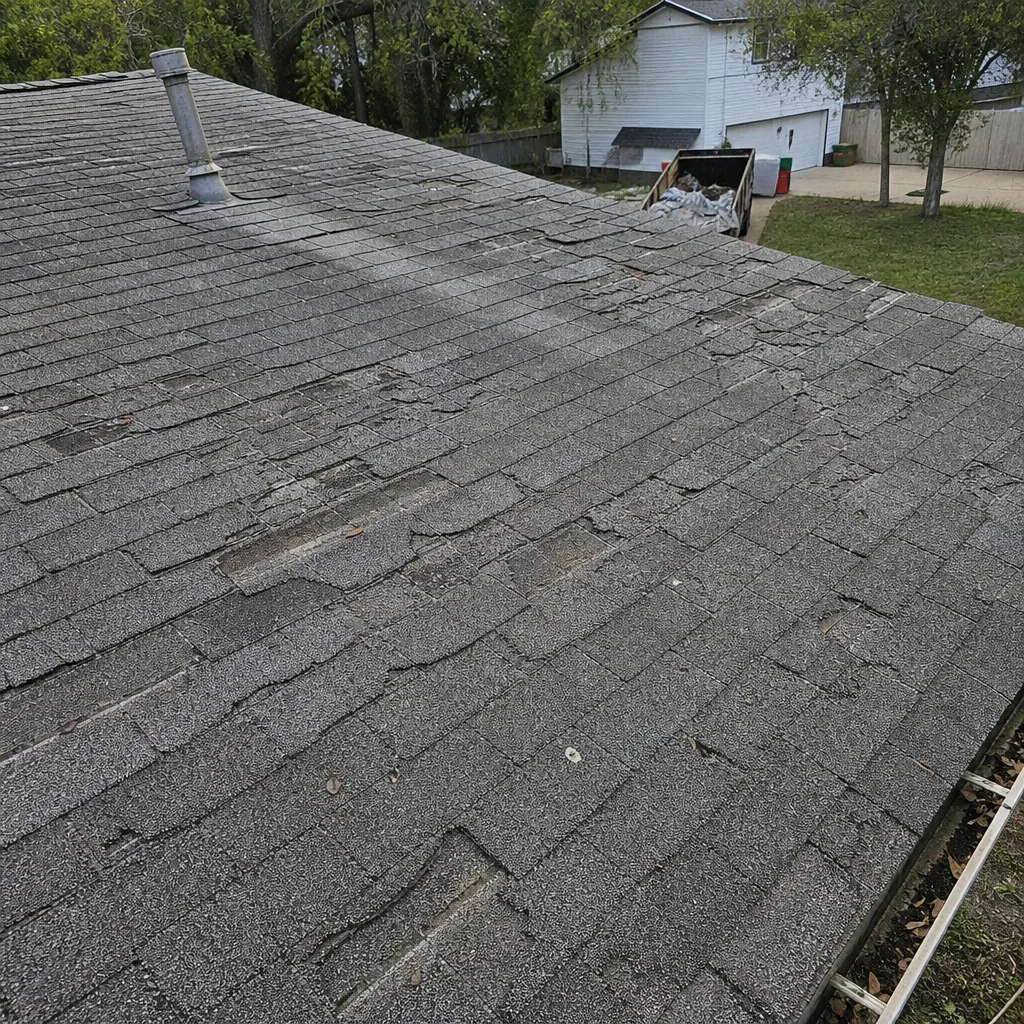 Before
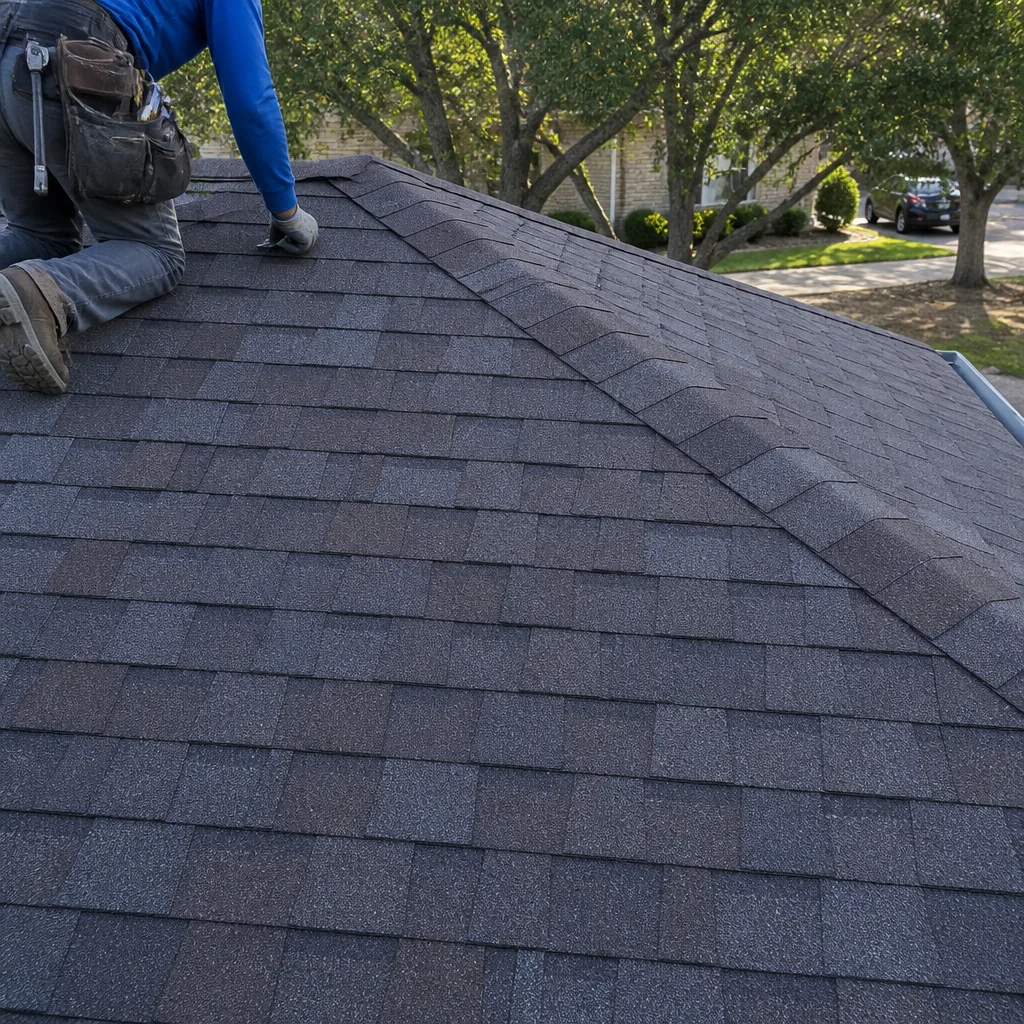 After
After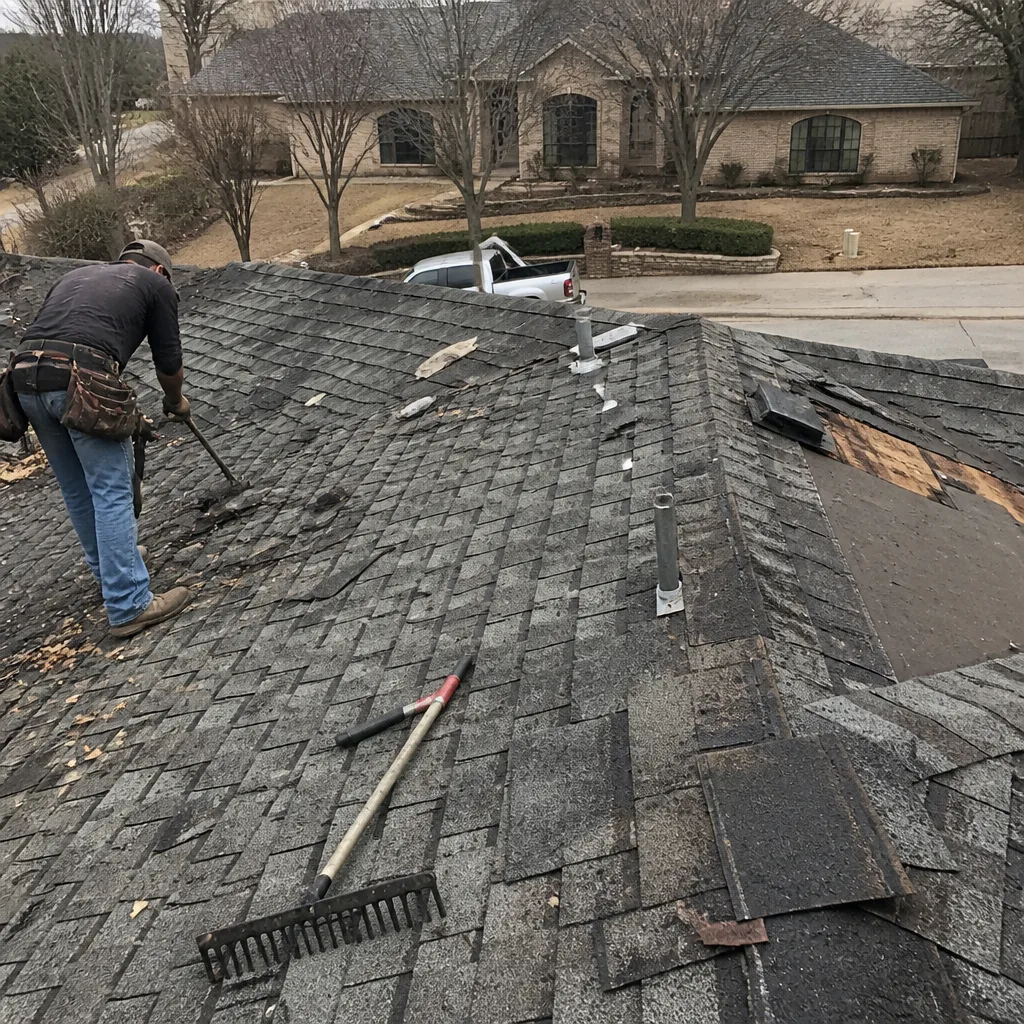 Before
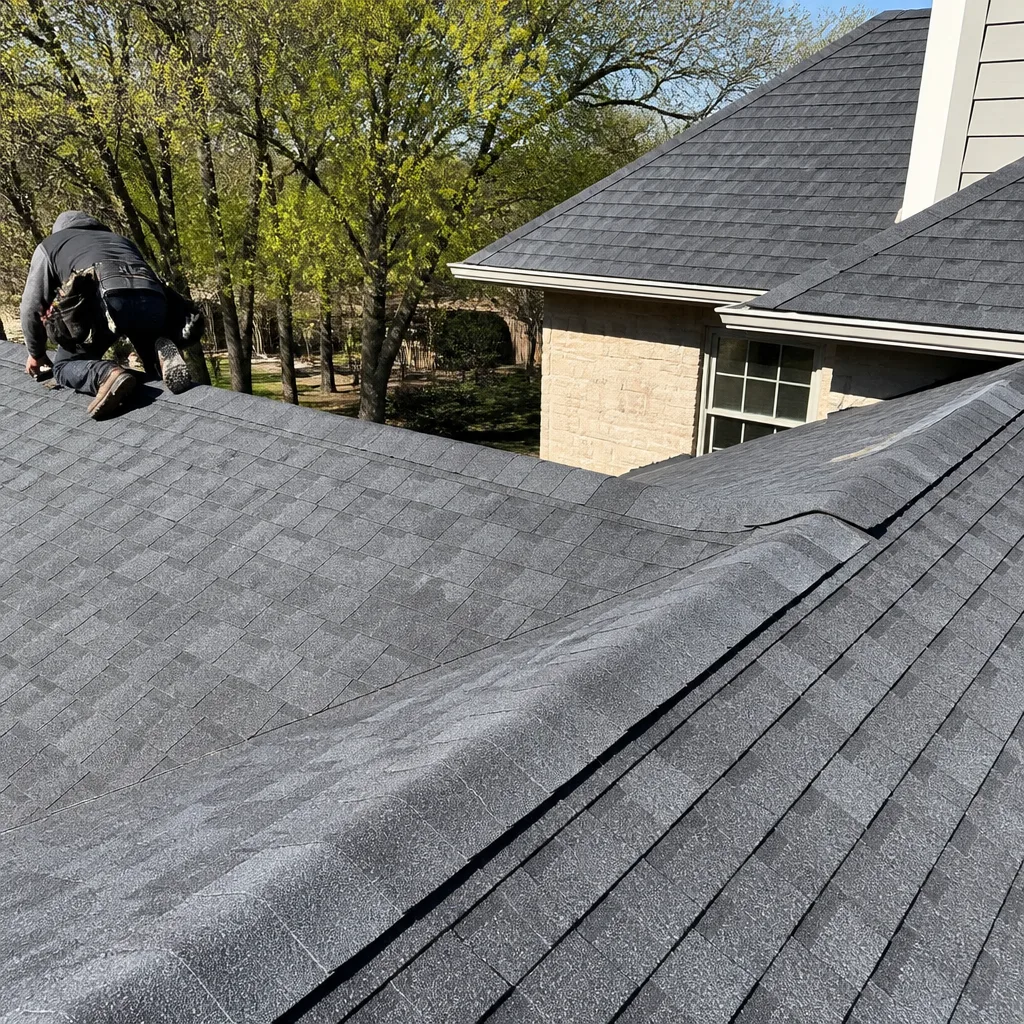 After
After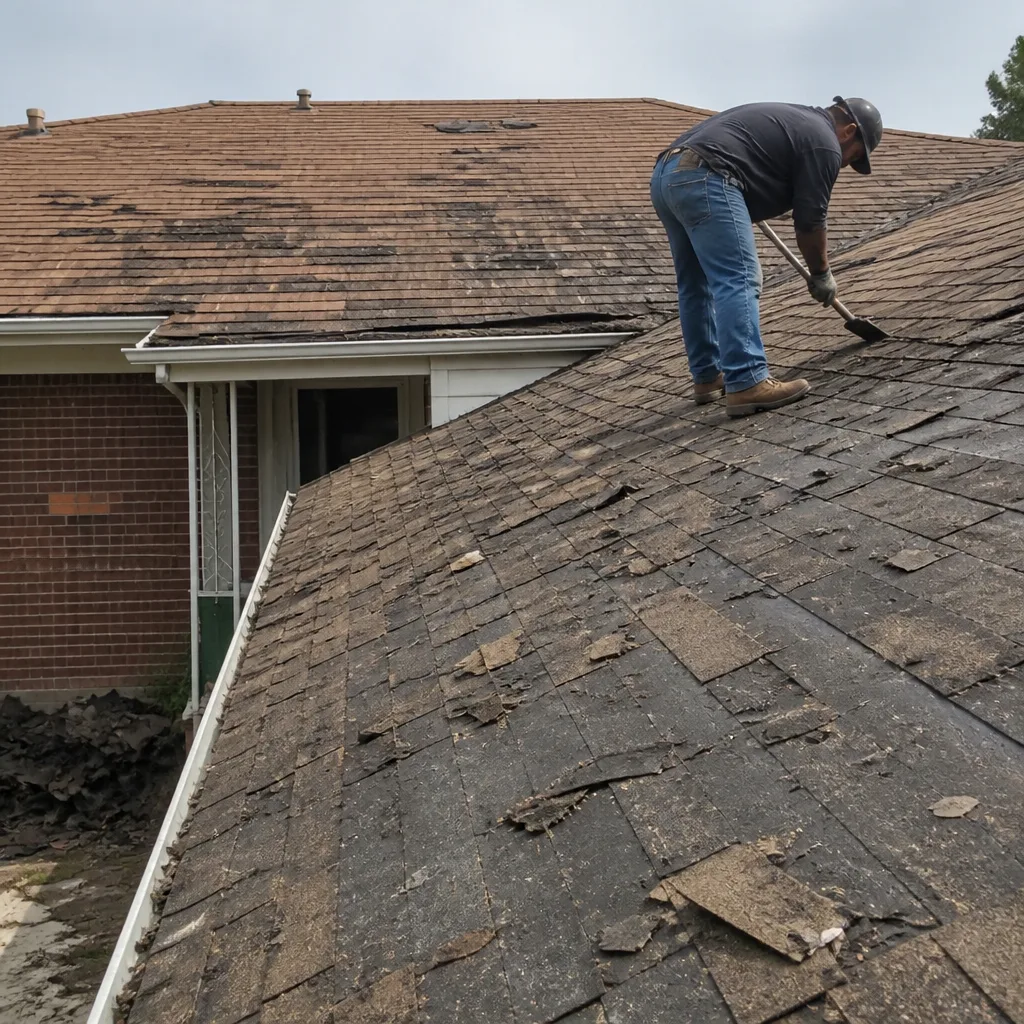 Before
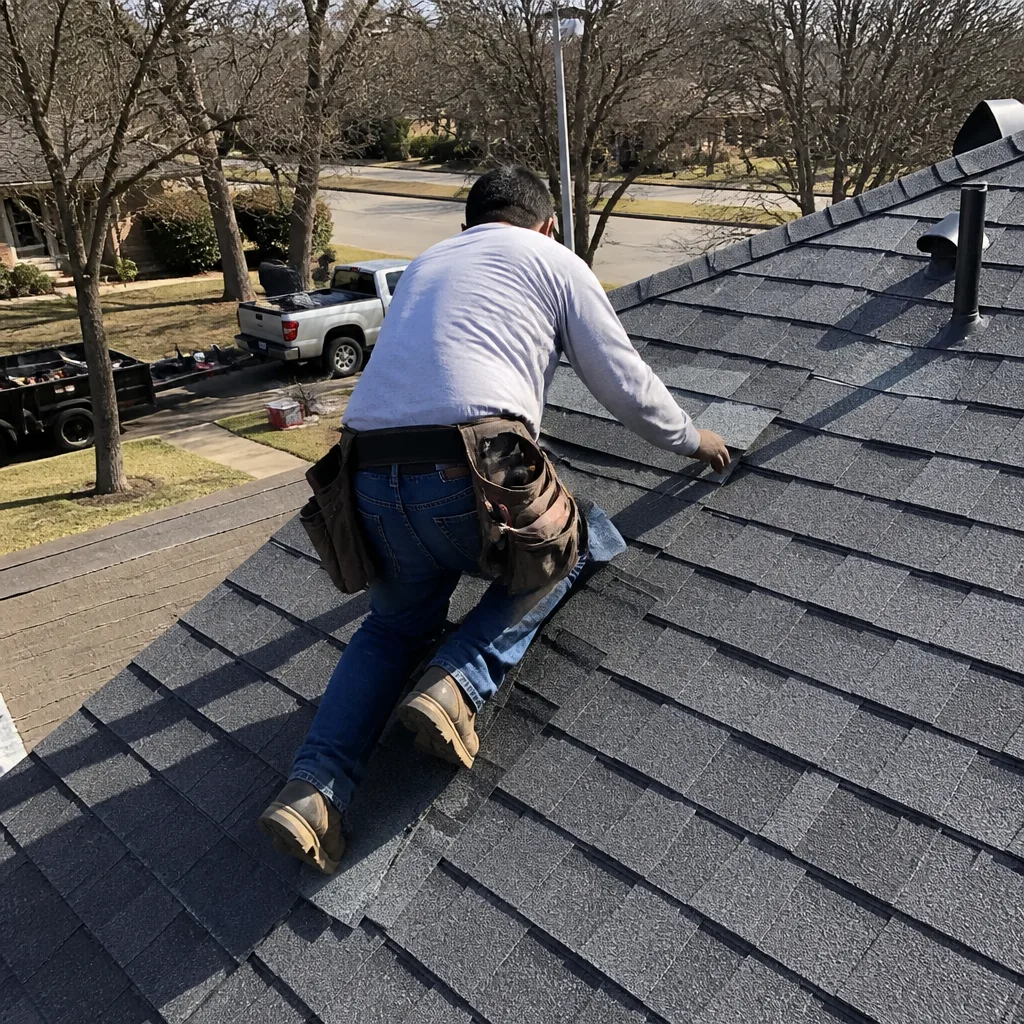 After
AfterValley Repair in Fort Worth, TX
Valley repair in Fort Worth addresses leaks at the point where two roof slopes meet. In most Fort Worth homes, valleys are lined with metal flashing or woven shingles, and when that material fails, water gets into the decking and eventually the attic. Brennan Roofing Co Fort Worth repairs valley flashing, replaces deteriorated valley liners, and fixes valley leaks the same way on every job: a written price before any work starts, background-checked technicians in uniform, and a full-year guarantee in writing. If you’re seeing water stains near a valley or you suspect a valley leak, call us at (682) 900-7902. For the broader picture of what roof repair covers, see our Roof Repair in Fort Worth page.
Valleys are the hardest-working parts of a Fort Worth roof. They carry more water than any other section when it storms, and they collect leaves, twigs, and roof grit from two slopes at once. When a valley fails, it usually fails slowly: small leaks, damp decking, then rot in the roof sheathing. Travis Oakley has repaired hundreds of valleys across Fort Worth. The fixes are straightforward when caught early and expensive when ignored, which is why we tell homeowners the same thing every time: if you think you have a valley leak, call before the next heavy rain.
Our home page covers the full range of what we do across Fort Worth. This page is specifically about valleys: what they are, how we repair them, what it costs, and how to know if yours needs attention.
Key Takeaways
- Valley leaks in Fort Worth typically cost between $350 and $900 to repair, depending on the valley length, flashing type, and decking condition.
- Most valley repairs are completed in one visit, usually the same day we diagnose the problem.
- Brennan Roofing Co Fort Worth backs every valley repair with the 365-Day Done Right Promise: if the repair fails within one year, we return and fix it free, in writing.
- You get a written price before any work starts. The number does not move at the door.
- Call (682) 900-7902 for a free estimate. A live person answers, 24/7.
What Is a Roof Valley?
A roof valley is the internal angle formed where two roof planes meet. On a typical Fort Worth house with a hip or gable design, valleys are the channels that direct water from two slopes down into a single flow path toward the gutter. Valleys see roughly twice the water volume of a single roof slope during a storm, which is why they fail before the surrounding field shingles do.
There are two common valley construction methods in Fort Worth. The first is the open valley, where a metal liner, usually galvanized steel or aluminum, is fastened to the decking and visible as a metal channel between the shingles on either side. The second is the closed or woven valley, where shingles overlap across the valley line and no metal is visible. Most newer Fort Worth homes use open valleys because they move water faster and are easier to repair. Older homes, particularly those built before the 1990s, often have woven valleys, which are more prone to clogging and rot where the shingles interlock.
Water moves through a valley at high speed in a Texas downpour. Fort Worth gets an average of 36 inches of rain per year, and most of it arrives in spring and fall storms that dump fast. When a valley is even slightly compromised, that volume translates into measurable water intrusion in a single storm. That is why valley leaks show up as sudden ceiling stains rather than slow drips.
When You Need Valley Repair
Not every roof stain points to a valley, but valleys are among the most common leak sources on Fort Worth homes. Here are the specific signs:
- Water stains on ceilings or walls near a room corner or dormer. Valleys sit directly above interior wall intersections and window corners. A stain that appears below a valley line after rain is the classic valley-leak signature.
- Visible rust, holes, or separation in the metal valley liner. From the ground or a ladder, the metal should be one continuous piece with no gaps, rust-through, or lifted edges. Fort Worth’s hail and wind storms can crease or tear valley metal over time.
- Granules accumulating in the valley or downspout. Valley shingles wear faster than field shingles because they carry more water and debris. Heavy granule loss in one concentrated area means the valley shingles are reaching the end of their service life.
- Wet spots in attic insulation or on decking beneath a valley. After a rain, check the attic if accessible. A damp or stained section of decking directly under a valley is a confirmed leak path, even if the ceiling below has not stained yet.
- Moss, algae, or debris packed into the valley channel. Organic material holds moisture against shingles and metal, accelerating corrosion and rot. Fort Worth’s mature oak trees contribute heavily to valley debris buildup.
- Water running behind gutters near a valley. If water flows behind the gutter line rather than into it, the valley may be releasing water in the wrong place due to a failed or missing diverter.
If any of these match what you’re seeing, we’ll send a technician to assess the valley. The assessment is free. The repair quote is in writing before you commit to anything.
How We Repair Valleys in Fort Worth
Valley repair is not one-size-fits-all. Sometimes it is a simple Flashing Repair. Sometimes it requires cutting back shingles, replacing decking, and rebuilding the valley from the deck up. Here is how Brennan Roofing Co Fort Worth handles the work, in order, every time:
- Inspection and photo documentation. A background-checked technician in uniform inspects the valley from the roof surface. We photograph everything: the valley liner, the shingle overlap margins, the decking beneath if accessible from the attic, and any interior staining. You’ll see what we see before any repair is proposed.
- Written estimate. Before any work starts, you get a written price on paper. It includes materials, labor, disposal, and the guarantee. The number does not move at the door. This is The Garrison Standard: no exceptions.
- Valley liner replacement or shingle rebuild. For open valleys, we remove the surrounding shingles, lift the old metal liner, inspect the decking, and install a new liner with proper overlap and fastening. For woven valleys, we either re-weave the shingles with proper interleaving or convert the valley to an open metal system if the decking condition warrants it. We explain which approach makes sense and why, in plain terms.
- Flashing, underlayment, and drip edge work. Around the valley, we repair or replace any adjacent step flashing, apron flashing, or drip edge that has been compromised. Underlayment is the water-resistant membrane under the shingles; if it is torn or missing at the valley transition, we replace it before reinstalling anything.
- Decking repair if needed. If the roof sheathing under the valley is rotted or water-compromised, we cut out and replace the affected section. We will not install a new valley over bad decking. That would fail within one season, and the 365-Day Done Right Promise means we would be back on our own dime, so we do it right the first time.
- Cleanup and water test. We clean the valley area fully, removing old nails, shingle debris, and sealant residue. We run a controlled water test on the repaired valley to confirm it drains correctly. Then we walk the site with you and show you the finished work.
Every valley repair is guaranteed in writing for one full year under the 365-Day Done Right Promise. If the repair fails during that period, we come back and fix it at no charge. That is the whole guarantee. No fine print, no prorated nonsense.
Valley Repair Pricing in Fort Worth
Valley repair in Fort Worth typically costs between $350 and $900. The range is wide because every valley is different, and the final number depends on what the inspection shows. Here is a breakdown of what drives the price:
| Repair Type | Typical Range | What’s Included |
|---|---|---|
| Metal valley liner replacement (short valley, no decking repair) | $350 – $500 | Remove old liner, inspect decking, install new metal liner, reseal shingle edges |
| Woven valley shingle rework | $450 – $650 | Cut back and re-weave shingles, replace any torn underlayment, reseal |
| Valley repair with localized decking replacement | $600 – $900 | All of the above, plus removal and replacement of rotted sheathing section |
| Valley plus adjacent flashing repair | $500 – $800 | Valley liner or shingle repair, plus step flashing and drip edge replacement at the valley transition |
What affects the price more than anything is what is under the valley when we open it up. A valley with solid decking and an intact underlayment layer is a fast repair. A valley that has been leaking for months or years has submerged damage: rotted decking, mold in the sheathing, or compromised rafter tails. Fort Worth’s humid climate accelerates that rot once water gets into the decking, especially in older homes where the roof ventilation is marginal. The longer a valley leak goes unaddressed, the more likely it is that decking replacement enters the picture.
You will always know the full price before any work begins. We do not give ranges at the door and then “discover” additional charges once the shingles are off. The price goes on paper, and it stays on paper. If the job requires more than the written estimate, we stop, talk to you, and get your sign-off before proceeding. That is how The Garrison Standard works.
Estimates are free. Call (682) 900-7902 and tell us what you are seeing. We will send someone out to look when it works for you, and you will get a written number.
Materials We Use for Valley Repair
Valley materials matter. We stock and install metal valley liners and shingles from the same manufacturer lines we use for full roof systems: GAF, CertainTeed, and Owens Corning. Why does the brand matter on a valley repair? Because the valley liner must be compatible with the shingle system already on your roof. GAF Timberline shingles have slightly different exposure dimensions than Owens Corning Duration shingles. CertainTeed Landmark shingles wear differently than both. When we match the valley repair materials to the manufacturer that is already up there, the repair blends correctly and performs as designed.
For open valleys, we use 28-gauge or heavier galvanized steel or aluminum liners, depending on the existing system. If you have a GAF roof, we match GAF shingles. If the roof is CertainTeed, we re-weave or flash with CertainTeed product. This is not about brand loyalty. It is about performance: mismatched materials at a valley line are a known failure point.
We will tell you what is on your roof and what we recommend using. If the existing valley was done wrong, or if the decking condition makes a woven valley a bad idea, we will say that plainly and explain the better option.
Valley Repair vs. Full Roof Replacement
A fair question we hear in Fort Worth: “Is it worth repairing one valley, or should I just replace the whole roof?” The answer is specific to your roof’s age and condition. If the roof is less than 12 to 15 years old and the rest of the field shingles are holding up, valley repair is almost always the right call. You fix the localized failure and keep the roof in service for years. If the roof is approaching 20 years, or if the inspection shows multiple valleys with granule loss, cracked shingles, and soft decking, a repair might be a short-term patch on a roof that is reaching the end of its service life.
We will give you an honest read. Our technicians are not on commission, and we do not push replacement when a repair will do the job. We will show you photographs, explain what we found, and give you the repair quote. If replacement is the better long-term answer, we will say that too, and we will give you a price for both so you can make an informed decision.
Fort Worth Specifics: Weather and Valleys
Fort Worth’s weather abuses roof valleys in specific ways. The North Texas climate gives us hail in spring, intense wind-driven rain in May and October, and long stretches of triple-digit heat in summer. Each of those puts different stress on a valley system.
Hail is the most direct. Hailstones pound the valley shingles and dent the metal liner. A metal liner that gets dented repeatedly loses its structural integrity; the dents become creases, the creases become stress fissures, and eventually the liner splits at the point it flexes. Our technicians find hail-damaged valleys all across Fort Worth after spring storm season, often on roofs where the field shingles survived with minimal damage. The valley takes a harder hit because it is at the lowest point of the roof’s geometry and collects the concentrated force of hail impact.
Wind-driven rain is the leak trigger. A valley that sheds water fine in a vertical downpour can leak in a wind-driven storm because water is being pushed horizontally across the valley line, under the shingle edges. Proper valley construction accounts for this with correct overlap margins and underlayment continuity. When we rebuild a valley, we install the underlayment and flashing to hold up to Fort Worth’s wind-driven rain pattern, not just a gentle shower.
Heat is the slow killer. The Fort Worth sun bakes roof surfaces to 160 degrees or more in July and August. Valley metal expands and contracts with the temperature swings, and over years, the fasteners back out, the sealant dries and cracks, and the metal shifts. A valley that looked fine in May can begin leaking in September because the summer heat finally cracked the last bit of sealant. We use fasteners and sealants rated for North Texas temperature extremes.
Neighborhoods We Serve
We repair valley leaks across Fort Worth, from older neighborhoods with mature trees and twenty-year-old roofs to newer developments where valley leaks stem from installation errors. In areas like Ridglea Hills, Tanglewood, and Wedgwood, homes built in the 1960s through 1980s often have woven valleys that are reaching failure age. In newer construction neighborhoods like Walsh Ranch, Sendera Ranch, and the Alliance corridor, we find valley leaks from improper original installation: underlayment gaps, liner laps that are too short, or shingle cuts too tight against the valley edge.
What those neighborhoods have in common is the Fort Worth weather pattern. What differs is the roof system and the failure mechanism. We look at each valley on its own terms and tell you what is actually wrong.
Why Valley Leaks Get Missed
Valley leaks are frequently misdiagnosed or missed entirely. A homeowner sees a ceiling stain below a valley, calls a roofer, and the roofer tells them it is the Vent Boot Repair or the flashing around a vent. The repair gets done, it rains again, and the stain returns. That is frustrating, and it is expensive.
The reason valley leaks get missed is that they are difficult to confirm without getting on the roof and looking carefully at the valley system. From the attic, a valley leak can present as damp decking that dries out quickly after the rain stops. By the time a roofer inspects, the evidence is gone. We look at the valley from above and below. From the roof, we look for the mechanical signs: split liner, failed sealant, torn underlayment, insufficient overlap. From the attic, we look for moisture trails, decking discoloration, and fastener rust patterns that trace back to the valley line.
When we diagnose a valley leak, we confirm it before we quote it. If we cannot confirm the exact source, we say that. We do not sell repairs on speculation.
The Garrison Standard
Brennan Roofing Co Fort Worth operates under The Garrison Standard. That is a defined, written operating standard, and it is the same on every job whether that is a small valley repair or a full roof replacement. Here is what The Garrison Standard means for a valley repair:
- Written price before any work starts. The number is on paper before a single shingle is lifted. It includes everything. It does not move at the door.
- Background-checked, uniformed technicians. The person on your roof has been vetted and arrives in a clearly marked uniform. You know exactly who is on your property.
- Live-person phone answer, 24/7. When you call (682) 900-7902, a real person answers. Not a voicemail, not a callback queue, not an automated system. This matters when a valley leak opens up during a midnight storm.
- 365-Day Done Right Promise. Every valley repair is guaranteed in writing for one full year. If it fails within that period, we return and fix it at no charge. No prorating, no arguments.
The Garrison Code governs how we treat your roof and your property: shoes covered, magnetic nail sweep after every job, no debris left behind, and no surprises in the final invoice. If we say we are going to do something, it gets done.
Why Choose Brennan Roofing Co Fort Worth for Valley Repair
Valley repair is specialized work, and it is where the difference between an experienced technician and a generalist shows up fast. Travis Oakley has repaired valley failures across Fort Worth on homes built in every decade from the 1950s to today. That matters because a 1970s ranch with woven valleys and a 2018 build with open metal valleys require different approaches, different materials, and different judgment about whether repair or replacement makes sense.
We are not a faceless national chain. We are an independently owned and operated member of the Garrison Partners family, which has set a consistent standard since 2000. Every location runs to the same standard. Every technician carries the same accountability. When you call us for valley repair, you are dealing with one local business that stands behind the work in writing.
What we install matters too. We source materials from leading manufacturer lines including GAF, CertainTeed, Owens Corning, IKO, Atlas, Tamko, and Boral. For valley repair specifically, we match what is already on your roof. You do not get a generic Flat Roof Patch with whatever shingle is on the truck. You get a repair that is built to match your roof system and the Fort Worth climate.
FAQs – Valley Repair
How much does valley repair cost in Fort Worth?
Valley repair in Fort Worth typically costs between $350 and $900, depending on the valley length, whether metal liner replacement or shingle re-weaving is needed, and whether the decking beneath is compromised. Most simple liner replacements run $350 to $500. Repairs involving decking replacement run $600 to $900. You get a free estimate with a written price before any work begins. Call (682) 900-7902 to schedule one.
Can you repair a valley leak the same day?
In most cases, yes. If the valley leak is confirmed and the weather allows, we can typically complete the repair in one visit, often the same day we diagnose it. We carry common valley liner materials and shingles from GAF, CertainTeed, and Owens Corning on our trucks. If the repair requires material matching that is not in stock, we order it and schedule you at the soonest available time. Call (682) 900-7902 and we will get someone out to look.
Is it cheaper to repair a valley or replace the roof?
Repairing a valley is almost always cheaper than replacing the roof, typically $350 to $900 versus $8,000 to $20,000 for a full Fort Worth roof replacement. Repair makes sense when the roof is under 15 years old and the rest of the shingles are in reasonable condition. If the roof is near the end of its service life, or if multiple areas are failing, replacement may be the better long-term investment. We will give you an honest comparison with pricing for both options.
Will my insurance cover valley repair?
That depends on your policy and the cause of the damage. If the valley was damaged by hail or wind, your homeowner’s insurance may cover the repair, minus your deductible. If the valley leak is due to age, wear, or improper original installation, insurance typically will not cover it. We can document the damage with photographs and provide a written scope of the repair to support your claim. For an exact assessment, call (682) 900-7902 and we will send a technician to look.
Contact Brennan Roofing Co Fort Worth
If you suspect a valley leak or you are seeing any of the signs described on this page, do not wait for the next storm. Fort Worth’s spring and fall rain seasons will find the weak point in your roof and push water through it. The longer a valley leak runs, the more decking damage accumulates, and the repair cost climbs.
Call Brennan Roofing Co Fort Worth at (682) 900-7902. A live person answers. We will schedule a free inspection, give you a written price before any work starts, and stand behind the repair for a full year under the 365-Day Done Right Promise. No voicemail, no runaround, no pressure. Just a clear answer and our Roof Repair services done to The Garrison Standard.
Written by Travis Oakley, Owner at Brennan Roofing Co Fort Worth, serving Fort Worth.