
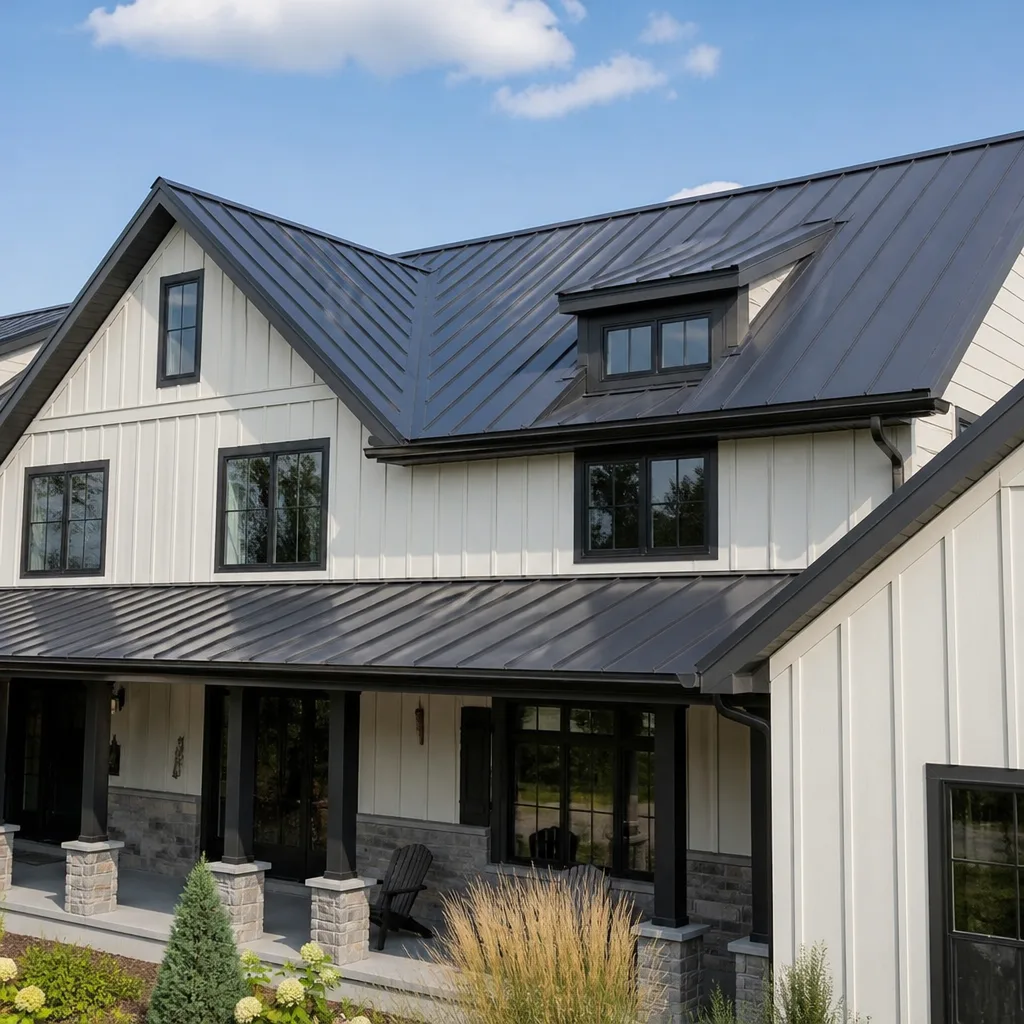
 Metal roofing
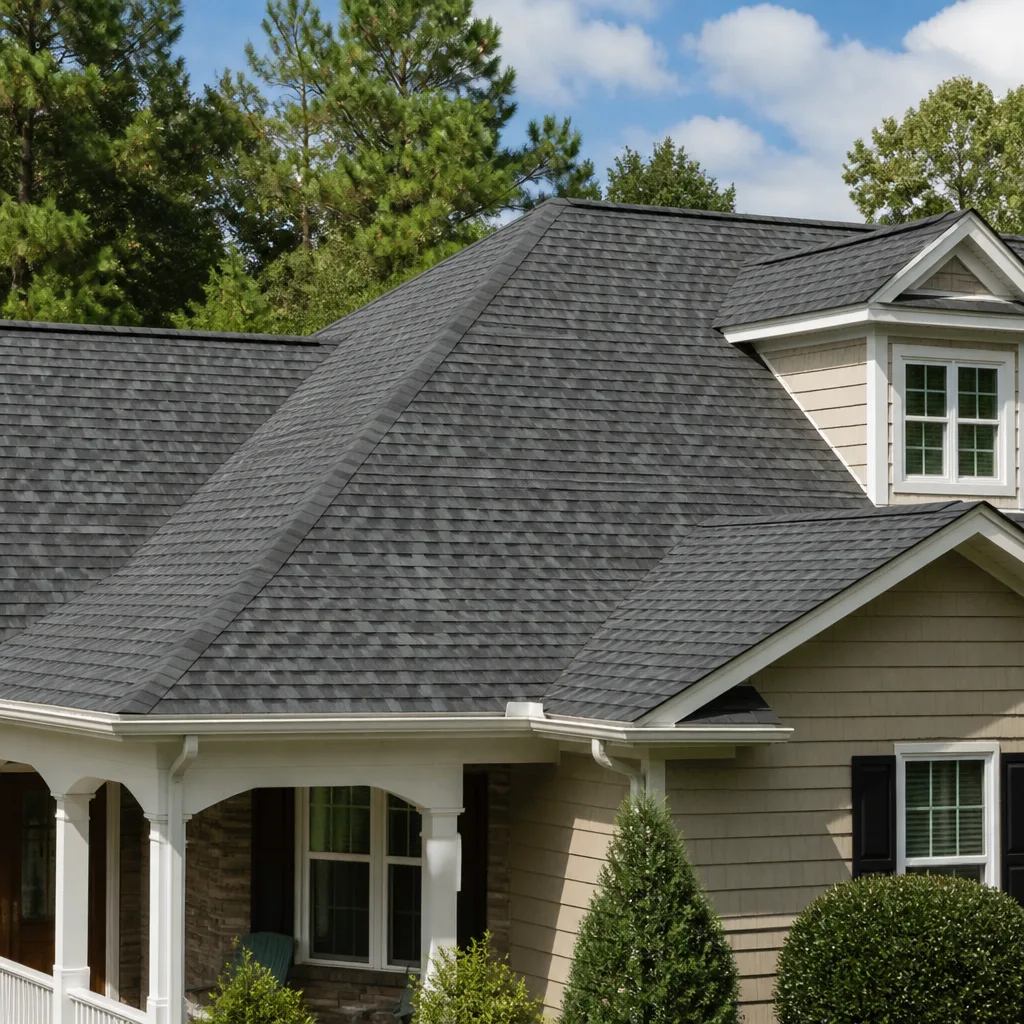 Architectural shingles
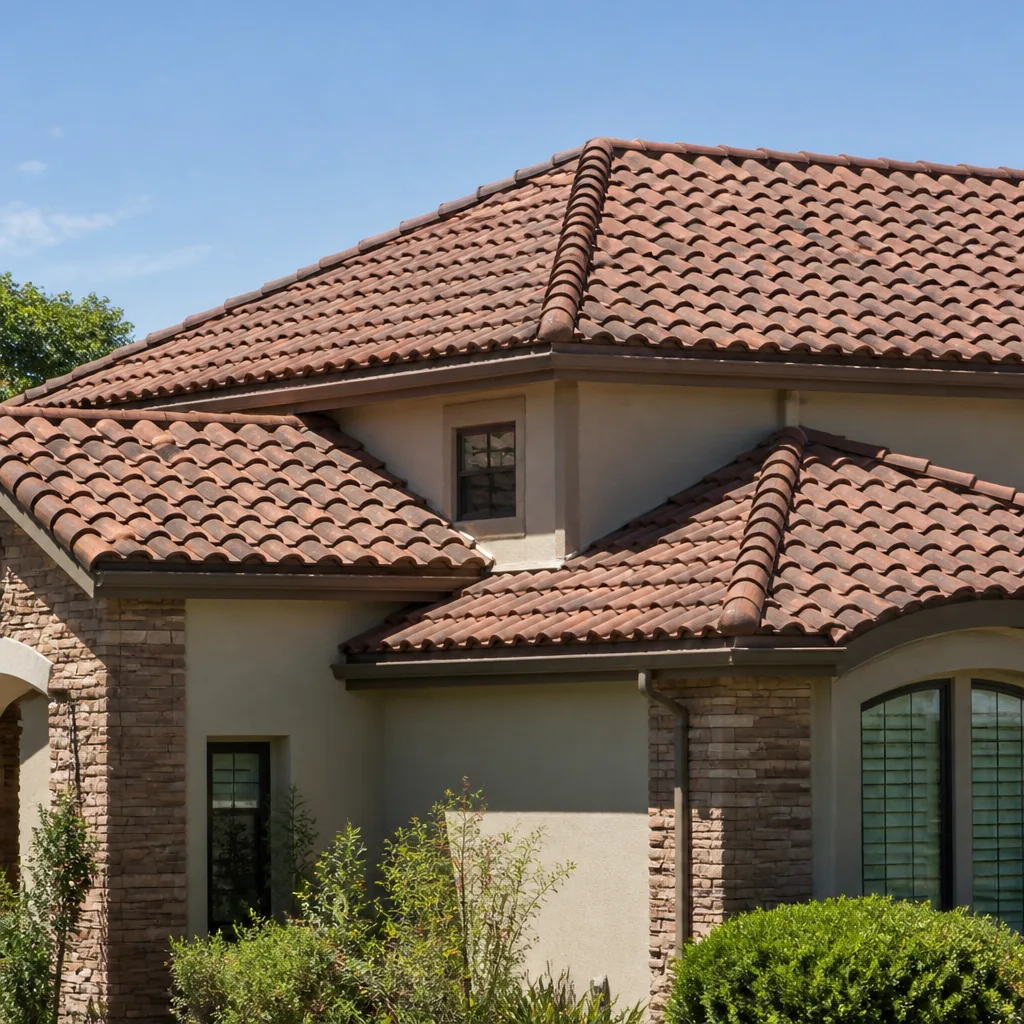 Tile roofing
 GAF
GAF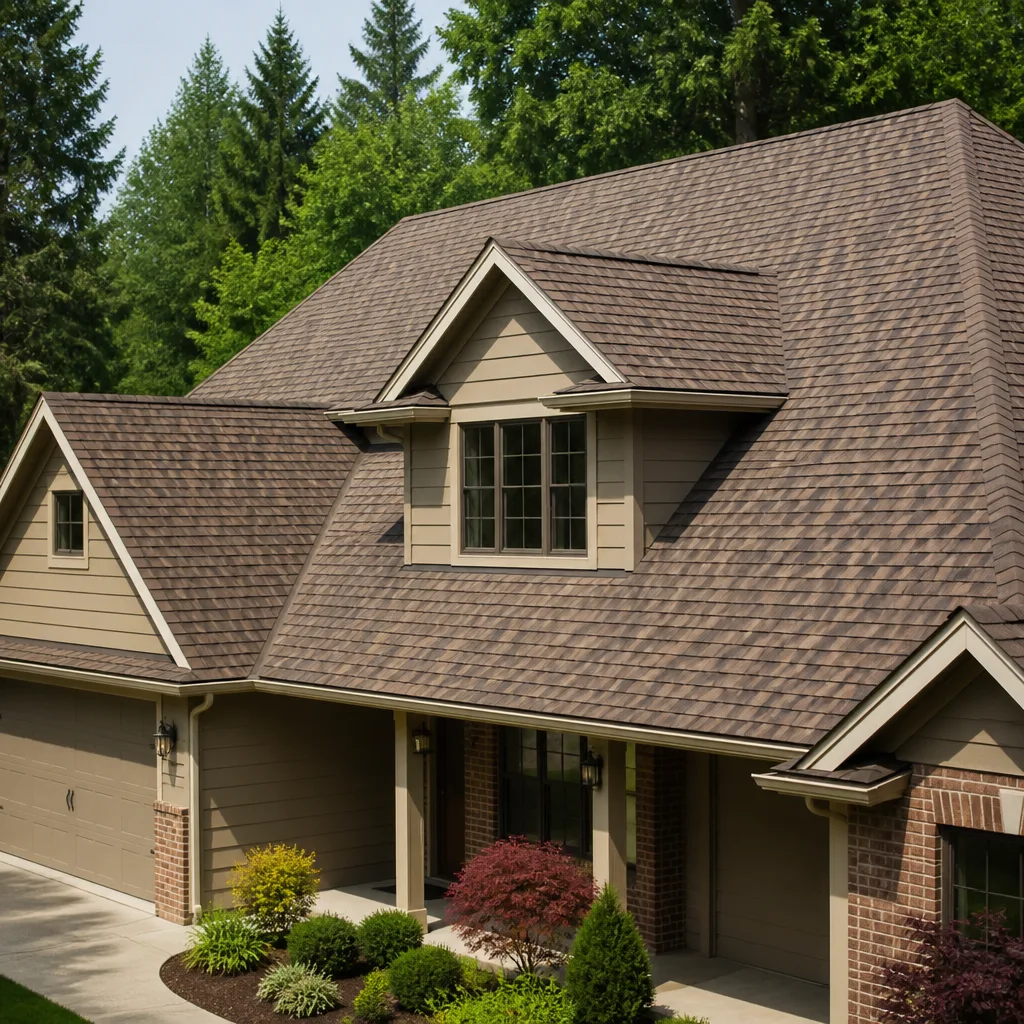 Owens Corning
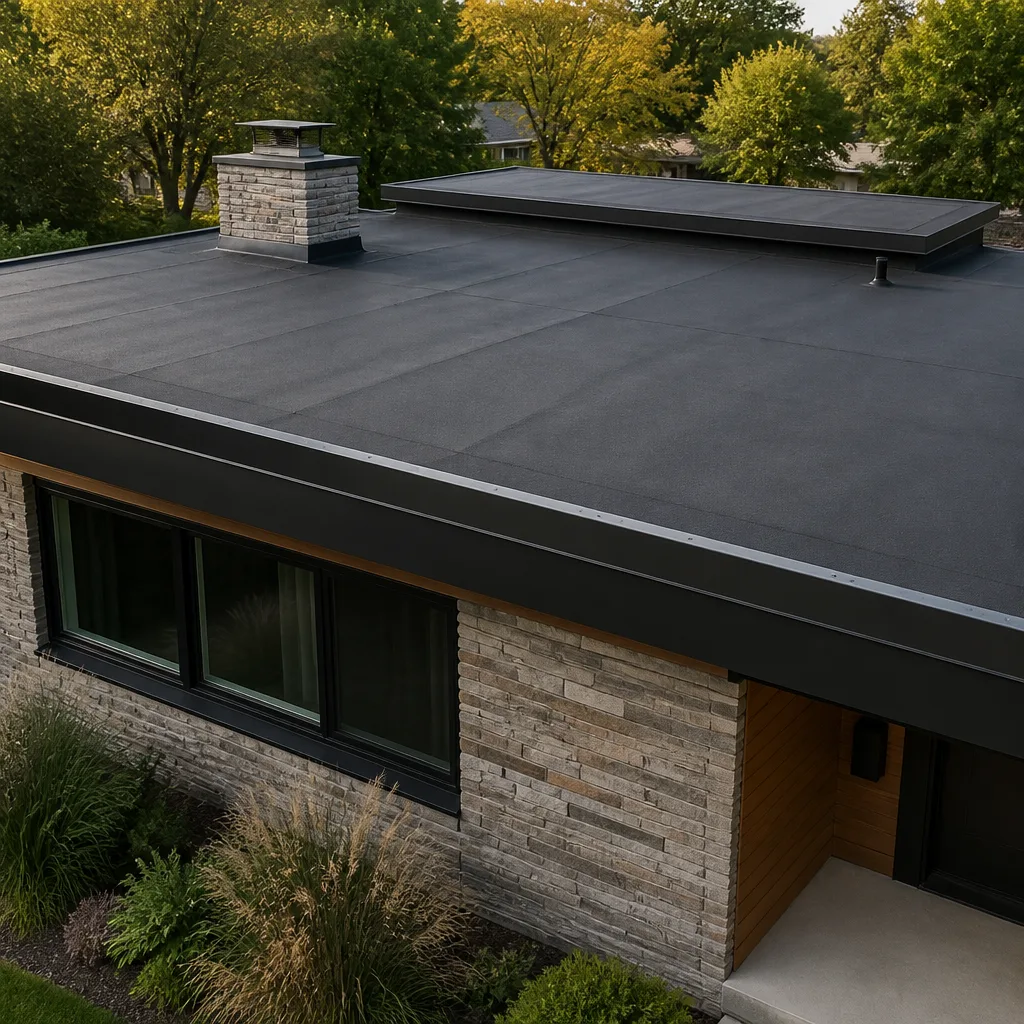 Flat & low-slope
Free roof inspection with deck photos before we talk money - GAF and Owens Corning certified installation
Styles & brands we work with
See the difference
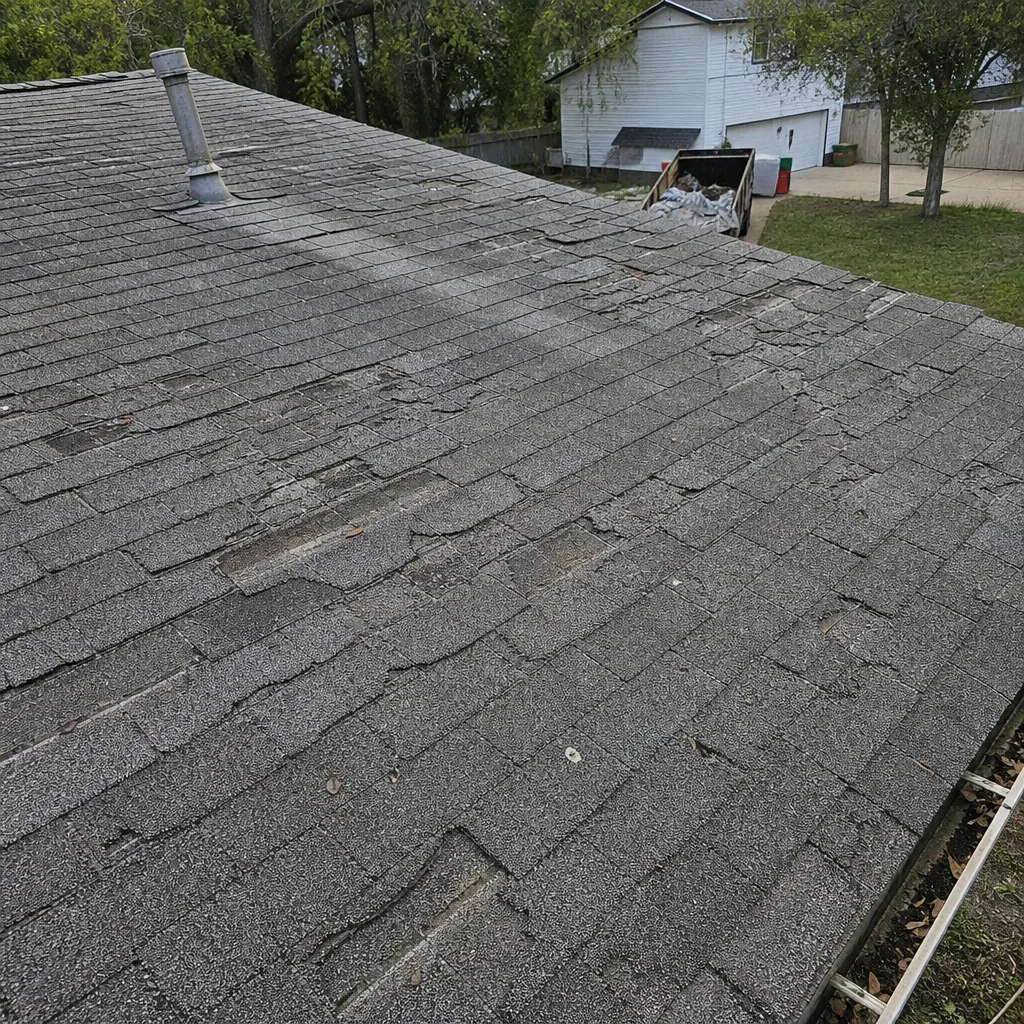 Before
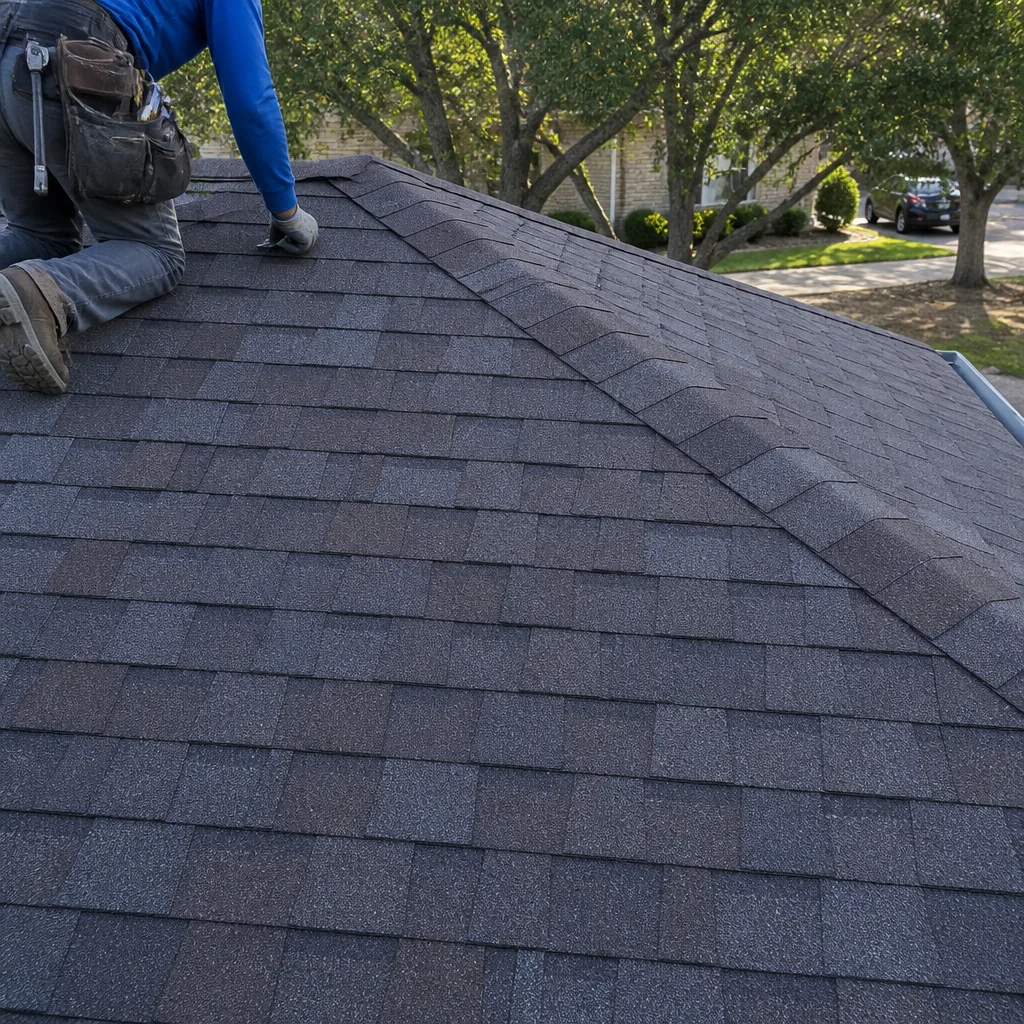 After
After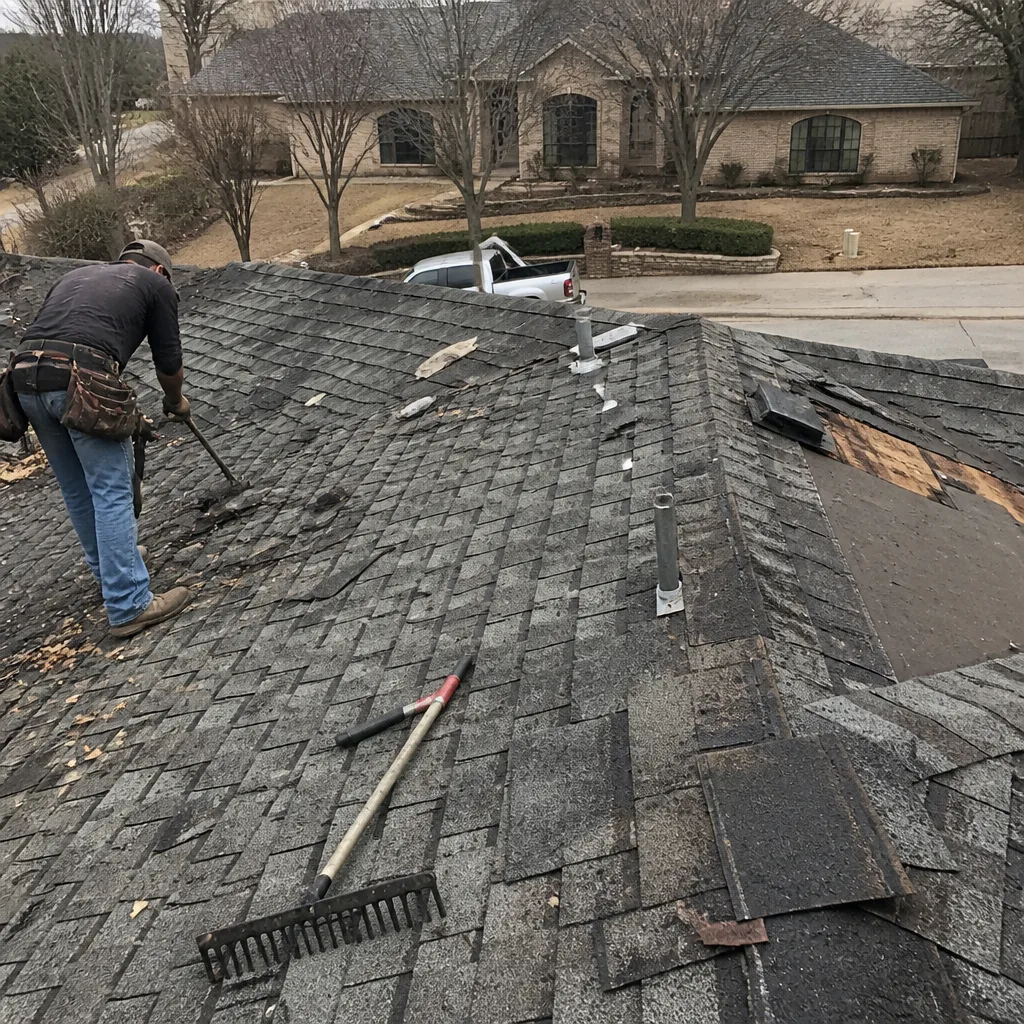 Before
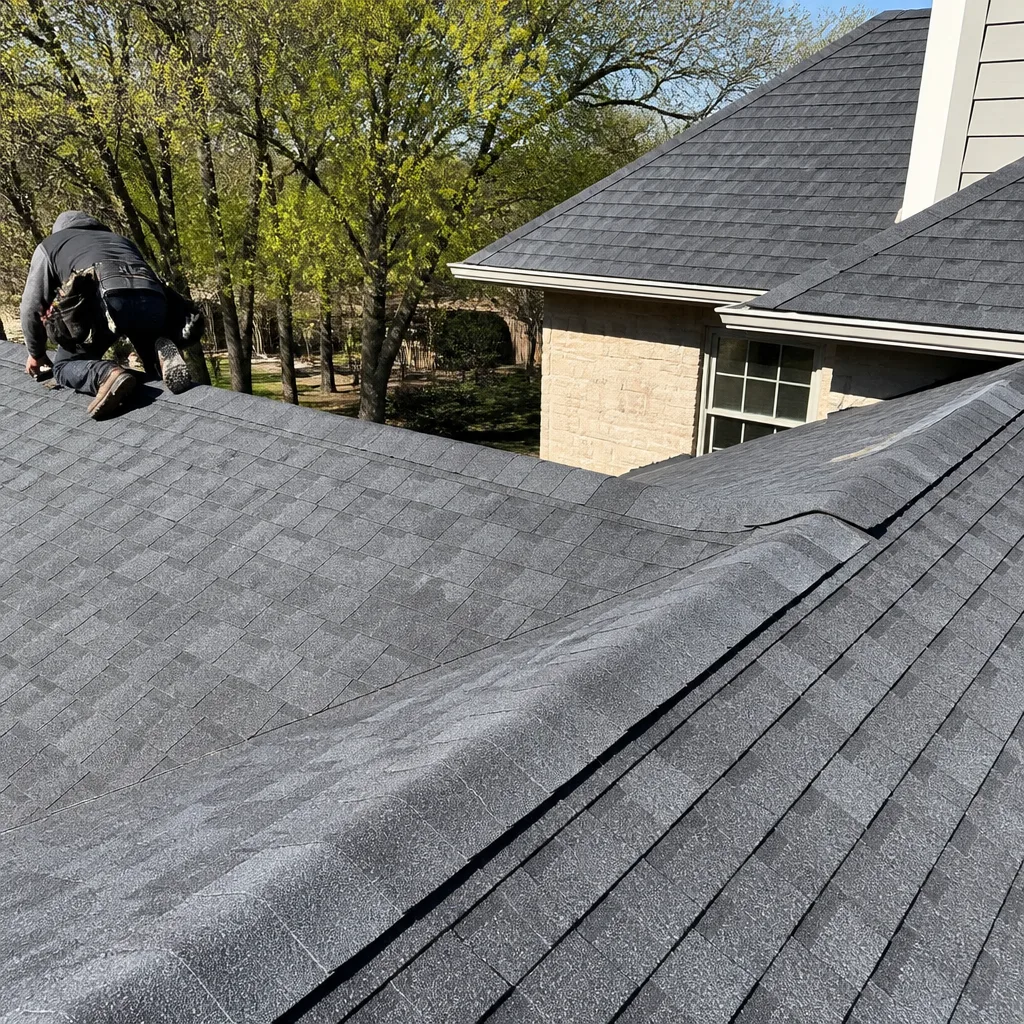 After
After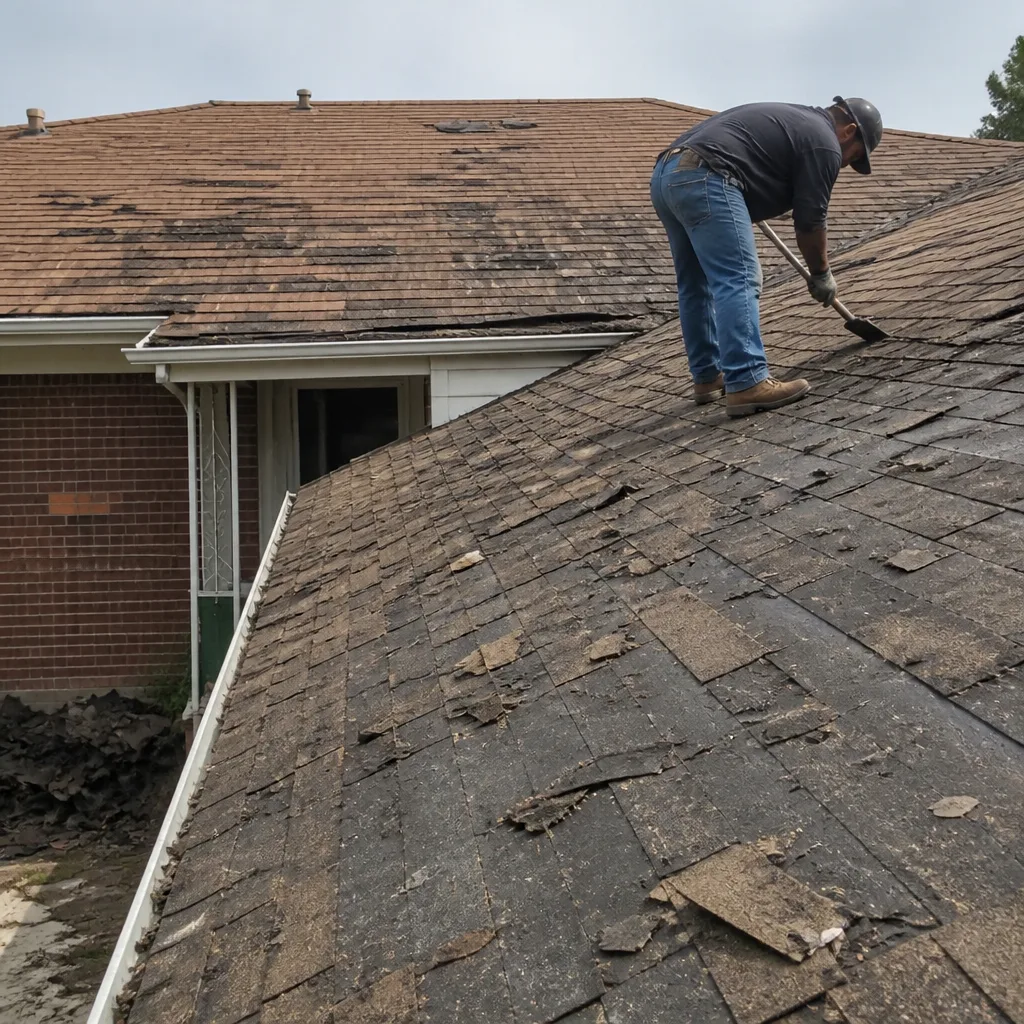 Before
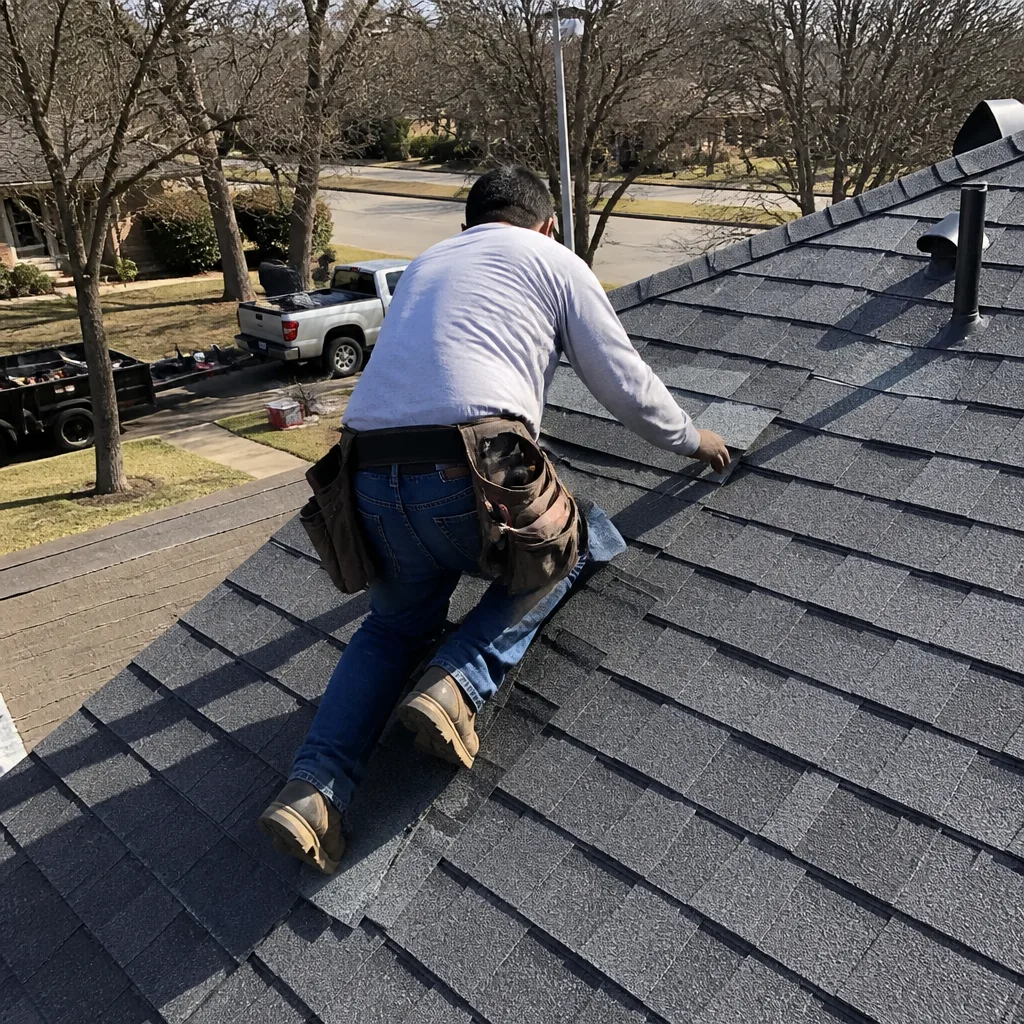 After
AfterFlashing Repair in Fort Worth, TX
Flashing repair is one type of Roof Repair in Fort Worth that typically costs between $350 and $900 for most residential jobs, depending on how much metal needs replacing and how accessible the affected area is. Most flashing repairs take a crew of two between two and four hours, and the work can usually be scheduled within a few days. Call Brennan Roofing Co Fort Worth at (682) 900-7902 for a written estimate before any work begins.
Flashing is the metal material that seals the joints where your roof meets a vertical surface. Chimneys, walls, skylights, vent pipes, and valleys all depend on flashing to keep water moving off the roof instead of into it. When flashing tears, corrodes, or pulls loose, water gets where it should not. That is how a small problem becomes a rotten deck, a stained ceiling, or mold in the attic. Our Roof Repair in Fort Worth crews replace damaged flashing every week, and the pattern we see is consistent: the sooner a homeowner catches it, the smaller the bill.
We work to a standard called The Garrison Standard. It means a written price before any work starts, background-checked technicians in uniform, and a 365-Day Done Right Promise in writing on every flashing repair we do. If the repair fails within a year, we come back and make it right at no charge. That is the whole point of having a name and a standard you can point to.
What Flashing Does on a Fort Worth Roof
Flashing is not decorative. It is the first line of defense at every seam, joint, and transition on your roof. Most residential flashing is made from galvanized steel, aluminum, or copper, and it is shaped to direct water away from the places where water wants to pool or creep.
On a typical Fort Worth home, you will find flashing in these spots:
- Chimney flashing: The metal that wraps around the base of the chimney where it meets the roofline. This is the most common flashing failure point on older Fort Worth homes, especially in neighborhoods like Arlington Heights, Mistletoe Heights, and Ryan Place where brick chimneys are common.
- Step flashing: The short L-shaped pieces that trace along the edge of a wall where it intersects a sloped roof. Step flashing is installed in layers with the shingles, and it directs water down and away from the wall.
- Valley flashing: The metal channel that runs down the inside corner where two roof planes meet. Fort Worth gets heavy spring downpours, and valleys move a lot of water fast. Worn valley flashing is a frequent source of leaks in the Wedgwood and Ridglea Hills areas.
- Pipe and vent flashing: The rubber-booted metal collar that seals around plumbing vents and exhaust pipes. The rubber boot cracks in the Texas sun, usually within 8 to 12 years, and that lets water run straight down the pipe into the house.
- Drip edge: The metal strip along the eaves that keeps water from curling back under the shingle edge. Drip edge protects the decking and fascia from rot, and it is often installed incorrectly by crews in a hurry.
Each type of flashing has its own failure pattern. On a flat or low-slope roof in the Cultural District or downtown areas, Flat Roof Patch work and flashing details around parapet walls and scuppers matter even more, because a low-slope roof does not shed water as quickly as a steep one.
Signs You Need Flashing Repair in Fort Worth
Most homeowners do not climb onto their roof to inspect for a Leak Repair or flashing issue, and we do not expect you to. What we do ask is that you know the signs that show up inside and outside the house, because flashing failure almost always announces itself before it becomes a full re-roof.
- Water stains on the ceiling near a chimney or exterior wall: If the stain is brown and grows after rain, that is almost always flashing-related. The water is entering at a seam, not through the middle of a shingle field.
- Damp insulation or wet decking in the attic: On a dry afternoon, shine a flashlight along the underside of the roof deck near chimneys, vents, and wall intersections. Dark streaks or soft, spongy wood mean water has been getting in.
- Loose, lifted, or missing flashing pieces: After a hailstorm or a wind event, walk the perimeter and look up at the roofline. Flashing that has pulled away from a wall or chimney is visible from the ground more often than you would think.
- Rust, cracks, or holes in visible metal: Galvanized flashing in Fort Worth lasts 20 to 30 years before the coating fails, but once rust starts, it accelerates fast. Our summers are hot and dry, and our springs are wet. That cycle is hard on thin metal.
- Granules in the gutters near a wall or chimney: Shingle wear near a flashing seam often means water is backing up at that joint, saturating the shingle and washing the granules off.
- Musty smell in an upstairs room or hallway: Flashing leaks are often slow, not dramatic. The water soaks into framing and drywall over weeks, and the first thing you notice is the smell.
If you see any of these, call (682) 900-7902. We will send a technician to look, and the inspection is straightforward. We do not sell you work you do not need. We show you what is wrong, on the roof if you want to see it, and we put the price on paper before anything moves forward.
Our Flashing Repair Process
Every flashing repair we do in Fort Worth follows the same sequence. It is called The Garrison Code, and it exists so you know exactly what to expect from the first call to the final walk-around.
- Inspection and diagnosis. A background-checked, uniformed technician arrives inside the promised window. They inspect the flashing, the surrounding shingles, the underlayment under the flashing, and the decking below. We look for the source, not just the symptom. A leak near a chimney is not always a chimney flashing problem. It could be step flashing on the adjacent wall, a cracked cap, or a saturated underlayment.
- Written estimate. Before any work starts, you get a written price. Not a range, not a verbal ballpark. A number on paper. It covers the flashing repair, the materials, the cleanup, and any shingle or underlayment replacement that must happen in the affected area. The price does not move at the door.
- Material selection. We install flashing from manufacturers including GAF, CertainTeed, and Owens Corning, and we will tell you plainly what each option costs and why you might choose it. For most Fort Worth homes, galvanized steel flashing is the practical choice. For homes in historic districts like Fairmount, where copper was sometimes used originally, we can match that look and discuss the price difference.
- Repair and replacement. We remove the damaged flashing without wrecking the surrounding shingles. Where possible, we reuse existing shingles and only replace what is damaged. If we have to lift shingles to seat new step flashing, we reseal and re-nail everything to manufacturer spec. The goal is a repair that looks like it belongs on the roof, not a patch.
- Cleanup and final walk-around. We do not leave metal scraps, old nails, or sealant tubes in your yard. Before we leave, we walk the repair with you. We explain what was replaced, why it failed, and what to watch for going forward.
- Written guarantee. Every flashing repair comes with the 365-Day Done Right Promise. If the repair fails within one full year, we return and fix it at no charge. No questions, no negotiation, no “that must have been a different problem.” It is in writing.
Flashing Repair Pricing in Fort Worth
We give exact prices in writing, but you should know How Much Does Roof Repair Cost? (2026 Price Guide) - Fort Worth, TX before you even call. Here is what flashing repair costs in the Fort Worth market, based on the work we do regularly.
| Repair Type | Typical Range | What It Includes |
|---|---|---|
| Pipe boot replacement | $225 – $400 | New rubber-boot flashing around one vent pipe, sealant, minor shingle reseating |
| Step flashing repair (small section) | $350 – $600 | Replacement of 4 to 8 linear feet of step flashing along one wall, shingle lifting and reseating |
| Chimney flashing repair | $500 – $900 | Replacement of base, step, and counter flashing around a standard brick chimney, sealant, minor brick work if needed |
| Valley flashing replacement | $450 – $850 | Full valley metal replacement, underlayment repair, shingle reinstallation along the valley |
| Drip edge replacement (per side) | $300 – $600 | New drip edge along one eave or rake line, reattachment of fascia where needed |
These are honest ranges for Fort Worth. Your cost moves based on three things: how much flashing is damaged, how steep or high the roof is, and whether the decking underneath has rotted. Rotten decking is the hidden cost. If water has been getting in for months, the plywood under the flashing may need to be cut out and replaced, and that adds $75 to $150 per sheet.
For a precise number, call (682) 900-7902. The estimate is free, it is in writing, and it does not obligate you to anything.
Why Flashing Fails on Fort Worth Roofs
Flashing failure is rarely a mystery. It is almost always one of these four causes, and Fort Worth’s climate and housing stock make all four common.
Thermal movement. Metal expands and contracts with temperature swings. A Fort Worth summer can hit 100 degrees on the roof surface, and a winter night can drop below freezing. That movement, repeated thousands of times, works nails loose and opens seams. This is a mechanical failure, not a material defect. It happens to every flashing eventually.
Storm damage. Hail dents thin flashing and wind lifts it at the edges. We have repaired dozens of flashing failures in the Tanglewood and Overton Park areas after spring hail events. The shingle field looks fine, but the flashing pulled loose, and the leak started within a week.
Improper original installation. We see this more than we would like. A roofer reused old flashing, or skipped the underlayment under the flashing, or nailed through the wrong part of the metal. The repair we make often corrects work that never should have passed inspection. It is one reason we encourage homeowners to get an annual roof check, even if the roof is not leaking.
Age. Galvanized steel flashing has a service life. In Fort Worth’s heat and humidity, that life is usually 20 to 30 years. Aluminum lasts longer but costs more. Copper can outlast the house. If your home was built before 2000, your flashing is at or past its expected life, and an inspection is a reasonable thing to schedule.
We work on roofs across Fort Worth, including Benbrook, White Settlement, Saginaw, and Haltom City. The failure patterns are the same, and the fix is the same: remove the damaged metal, replace it correctly, and put it in writing.
Materials We Use for Flashing Repair
We install flashing from leading manufacturer lines, and we talk about materials in plain terms. You should know what you are paying for and why it costs what it costs.
- Galvanized steel: The standard for most Fort Worth homes. It is durable, it holds paint well, and it is the most cost-effective option. We use it for step flashing, valley flashing, and chimney flashing on the majority of our repairs.
- Aluminum: Lighter and more corrosion-resistant than galvanized steel. It is a good choice for roofs near the Trinity River or in areas with heavy tree cover where metal stays damp longer.
- Copper: The longest-lived option and the most expensive. We install copper flashing primarily on historic homes in Fairmount and Ryan Place where it matches the original construction. The price can be three to five times that of galvanized steel, but it will likely outlast the roof it is installed on.
We also install roofing systems from GAF, CertainTeed, Owens Corning, and IKO when a flashing repair expands into a larger roof repair. If we find that your flashing problem is part of a broader roof issue, we will tell you plainly and give you a written price for both the repair and the larger fix. You decide what moves forward.
Flashing Repair vs. Roof Replacement
Flashing repair is affordable. Roof replacement is not. The question we hear most often is: how do I know which one I actually need?
The answer is almost always found in the decking and the shingle field. If the flashing is damaged but the surrounding shingles are intact, the decking is dry, and the roof has years of life left, a flashing repair is the right call. We have completed hundreds of flashing repairs on Fort Worth roofs that did not need new shingles for another decade.
But if the flashing has been leaking for a long time, the decking has rotted in a wide area, or the shingles around every flashing point are brittle and curling, you may be past the point where a patch makes sense. Paying $700 to fix flashing on a roof that needs $14,000 in replacement within two years is not money well spent. We will tell you if that is where you are. We would rather lose the repair job than sell you something that fails before it pays for itself.
The 365-Day Done Right Promise applies either way. Repair or replacement, the guarantee is in writing for one full year.
FAQs – Flashing Repair
How much does flashing repair cost in Fort Worth?
Flashing repair in Fort Worth typically costs between $225 and $900, with most chimney and valley repairs landing between $500 and $850. Small fixes like a pipe boot replacement can be done for under $400. The final number depends on how much flashing needs replacing, roof accessibility, and whether the decking underneath has water damage. Call (682) 900-7902 for a free written estimate with the exact number before any work starts.
Can flashing be repaired without replacing the roof?
Yes. In most cases, flashing can be repaired or replaced without touching the rest of the roof. We lift the surrounding shingles carefully, remove the damaged flashing, install new metal, and reseat the shingles. The exception is when long-term leaking has rotted the decking or degraded the shingles around the flashing area. Even then, the repair is usually localized to that section of the roof.
How long does flashing repair take?
Most flashing repairs in Fort Worth take between two and four hours, and the crew is off your property the same day. Larger jobs, like full chimney flashing replacement with brick work, can take a full day. We schedule a specific window, show up inside it, and clean up before we leave. You do not need to take a day off work and wait around.
Is it cheaper to repair flashing or wait and fix the leak later?
Repairing flashing early is always cheaper. A $400 flashing repair can turn into a $3,000 decking replacement and a $1,200 drywall repair if the leak continues for a year. Fort Worth’s spring rains will find an open flashing seam, and every storm adds to the damage. If you suspect a flashing leak, call (682) 900-7902 and we will inspect it. The estimate is free, and the repair is guaranteed in writing for a full year.
Written by Travis Oakley, Owner at Brennan Roofing Co Fort Worth, serving Fort Worth.