

Last updated October 17, 2026
 Metal roofing
 Architectural shingles
 Tile roofing
 GAF
GAF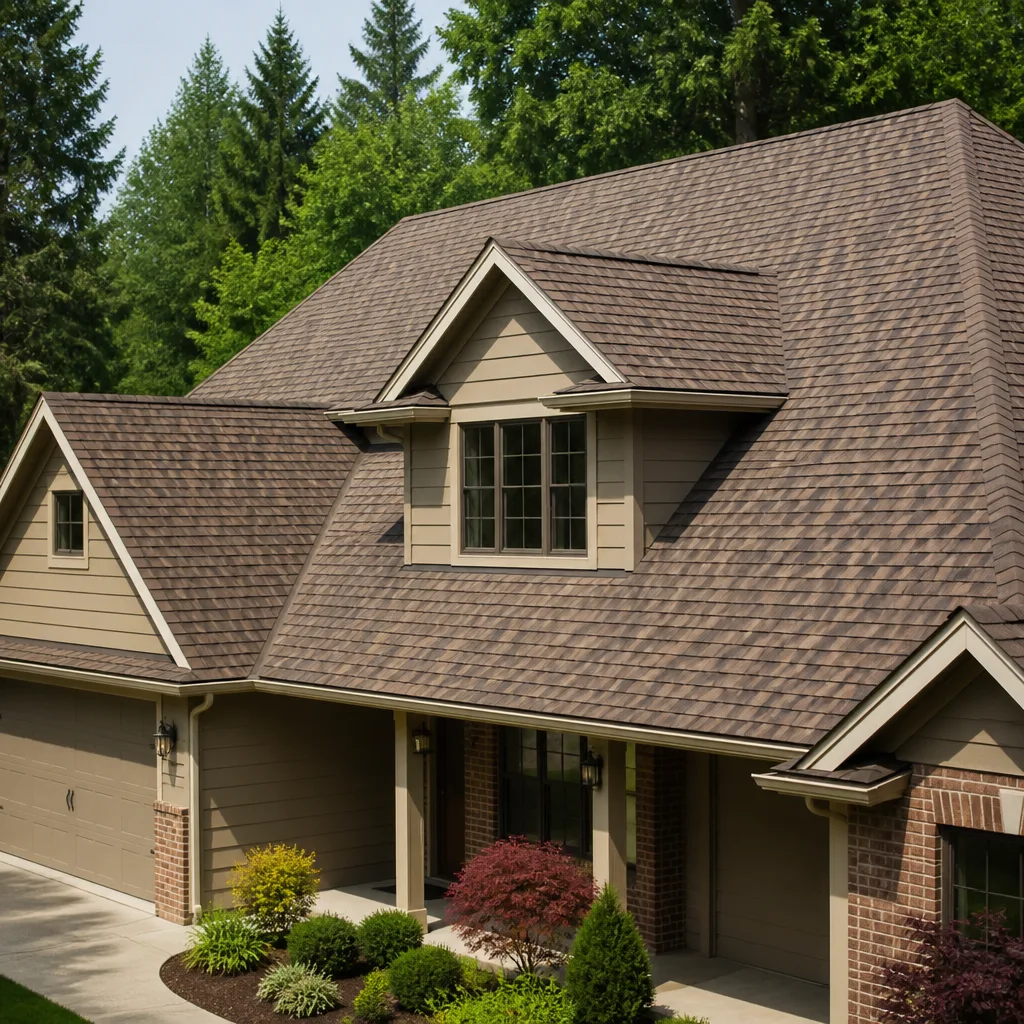 Owens Corning
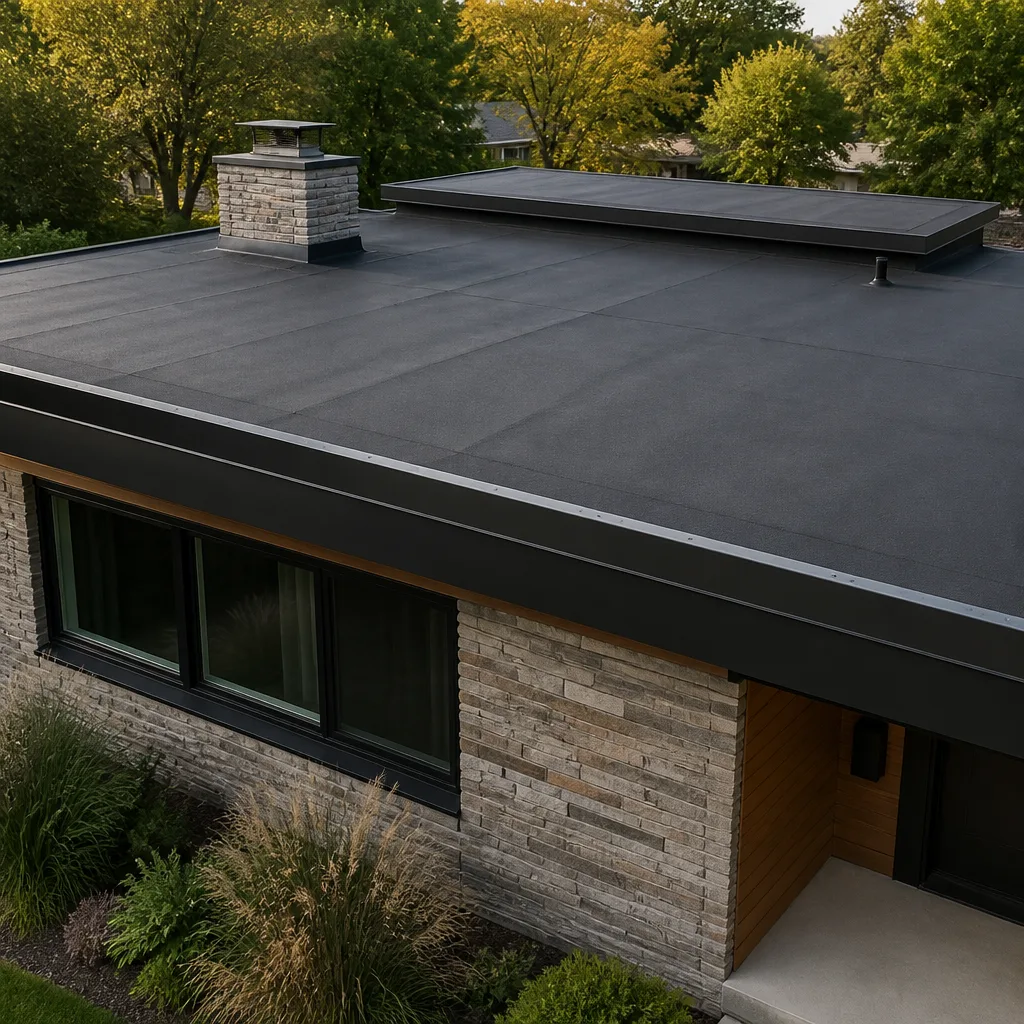 Flat & low-slope
Free roof inspection with deck photos before we talk money - GAF and Owens Corning certified installation
Roofing Cost Breakdown: The Fort Worth Homeowner’s Reference for 2026
The average gap between the lowest and highest roofing bid in Fort Worth for the exact same scope of work runs right around 22%. That spread is not because one contractor is hungrier than another. It exists because roofers are bidding different jobs. One estimate includes decking replacement, drip edge, and permit fees as line items. Another buries them in a vague “labor and materials” lump that quietly excludes work you will pay for later. This guide puts real 2026 numbers on the page in Fort Worth so you can read any roofing estimate the way an adjuster does: line by line.
Quick Answer
A full architectural asphalt shingle roof replacement in Fort Worth runs $450 to $650 per square (100 square feet) installed, putting most single-family homes between $9,000 and $16,500 depending on roof size, pitch, and decking condition. Standing seam metal runs $1,100 to $1,600 per square installed, while Class 4 impact-resistant shingles land between $550 and $750 per square. The biggest cost variables in 2026 are tear-off and disposal volume, decking replacement (about $75 to $95 per 4×8 sheet replaced), and whether the estimate includes permit fees, drip edge, and upgraded underlayment as distinct line items.
Styles & brands we work with
Table of Contents
- Material Costs by Roofing System: What Fort Worth Pays Per Square in 2026
- The Line Items That Move Price: Decking, Underlayment, Drip Edge, and Permits
- How RCV vs. ACV Insurance Settlements Change What You Actually Pay
- The Real Cost of a ‘Free Inspection’ From a Commission-Based Contractor
- Repair or Replace: A Financial Test Based on Age, Warranty, and Fort Worth Insurance
- Tarrant County Permit Fees and Code Requirements That Belong on Every Estimate
- How to Compare Two Fort Worth Roofing Estimates Line by Line
- Fort Worth Hail and Wind: What 2026 Homeowners Should Know About Storm Pricing
Material Costs by Roofing System: What Fort Worth Pays Per Square in 2026
Roofing prices are quoted per square, and one square equals 100 square feet of roof surface. A 2,200 square foot single-story home usually has between 24 and 30 squares of roof area, depending on pitch and overhang. Here is what installed pricing looks like in Fort Worth in 2026, labor, materials, tear-off, and haul-off all in.
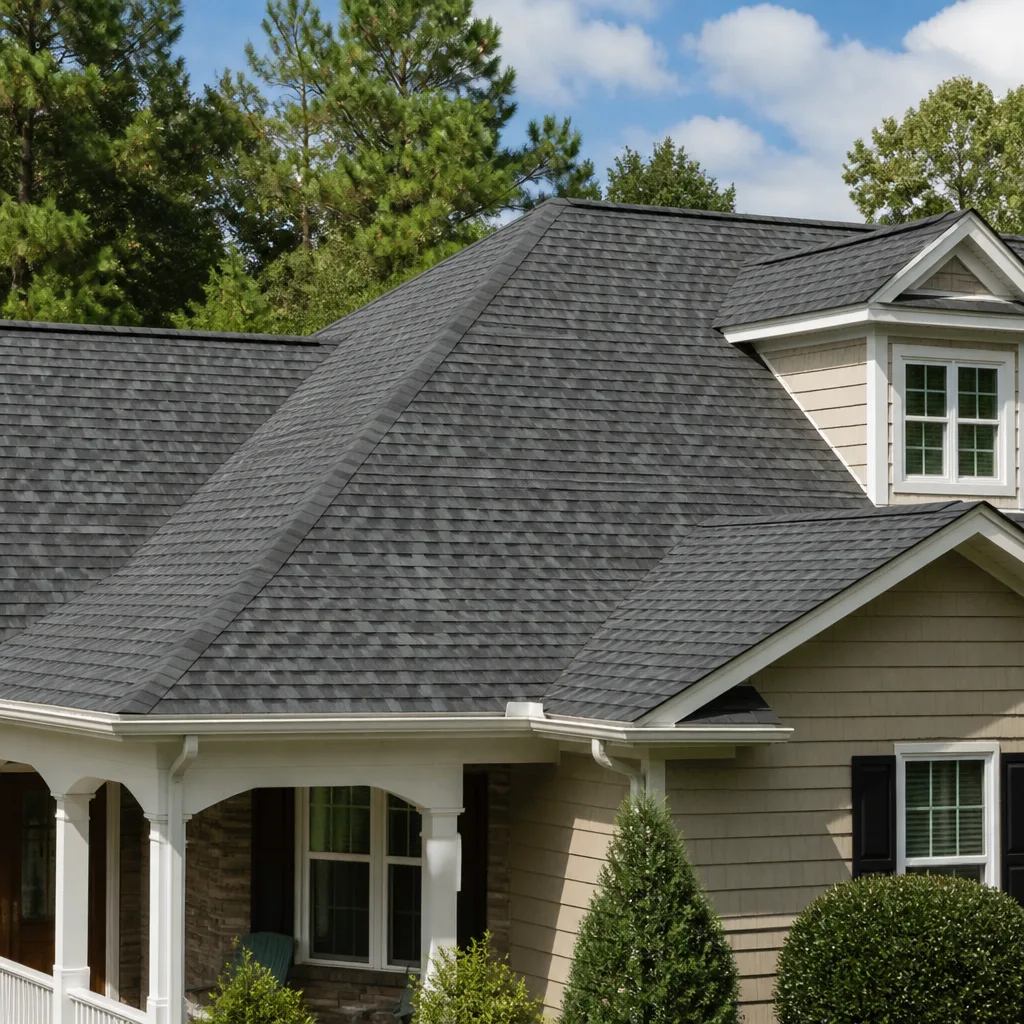
Architectural Asphalt Shingle: $450 to $650 per square installed
This is the default roof in Tarrant County, and for good reason. Architectural shingles, sometimes called dimensional shingles, are the laminated, textured product you see on most Fort Worth homes built after 2000. They carry 30-year to lifetime manufacturer warranties from lines like GAF, CertainTeed, and Owens Corning, and they hold up reasonably well under North Texas sun if the attic ventilation is adequate. On a 28-square roof, expect a written bid of $12,600 to $18,200 before any decking replacement is added.
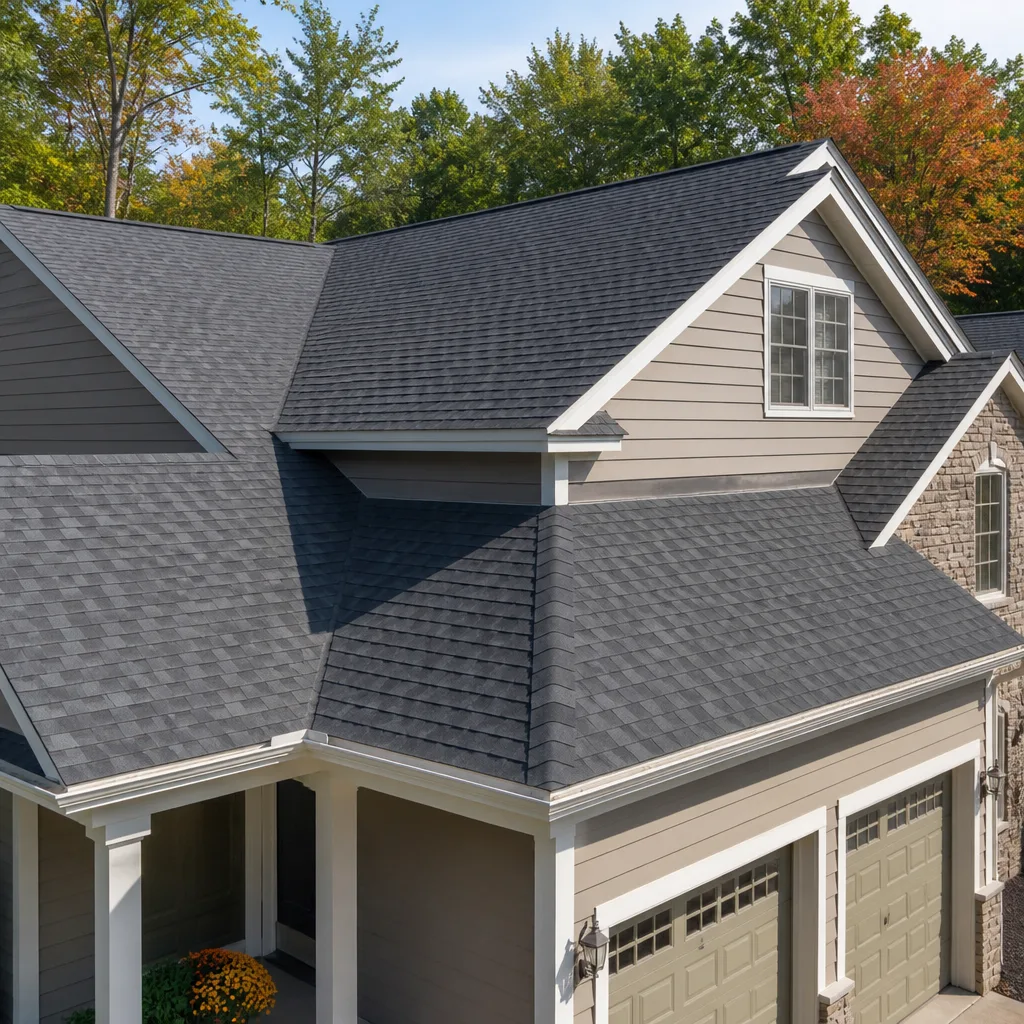
Class 4 Impact-Resistant Shingle: $550 to $750 per square installed
Class 4 is an impact rating assigned by UL, and it means the shingle survived a 2-inch steel ball dropped from 20 feet without cracking. In Fort Worth, where hail maps show most ZIP codes inside elevated risk zones, many insurers offer premium discounts for Class 4 roofs. That discount typically runs 5% to 15% on the wind and hail portion of your policy, which can mean $300 to $700 a year on a Fort Worth home. Tamko and Atlas both make Class 4-rated architectural shingles that install like standard dimensional shingles, so labor cost does not jump much; the material premium is what moves the price from the standard range up to the Class 4 range.
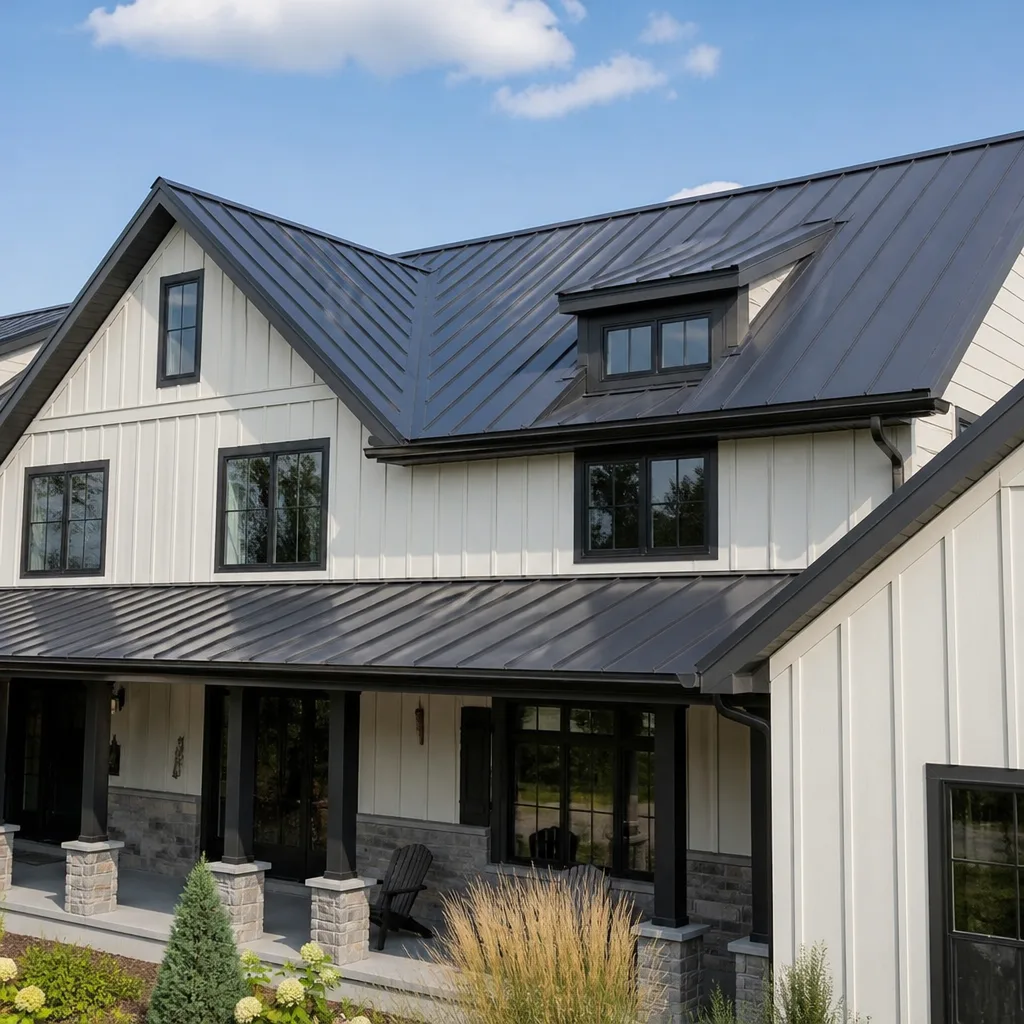
Standing Seam Metal: $1,100 to $1,600 per square installed
Standing seam is a premium roof. It uses vertical metal panels with concealed fasteners and raised seams, and when properly detailed at eaves, valleys, and penetrations, it can last 40 to 60 years. Fort Worth homeowners with permanent homes and no intention of moving increasingly choose standing seam because it resists hail better than any shingle product and because the reflective finishes genuinely reduce attic heat gain during July and August. The range is wide because metal pricing depends on gauge (24-gauge is standard in residential; 22-gauge costs more), paint finish, and whether the roof has complex geometry like hips, dormers, or multiple valleys. A straightforward gable roof in the $1,200-per-square range is realistic; a complicated cut-up roof with multiple ridges may push toward $1,500.
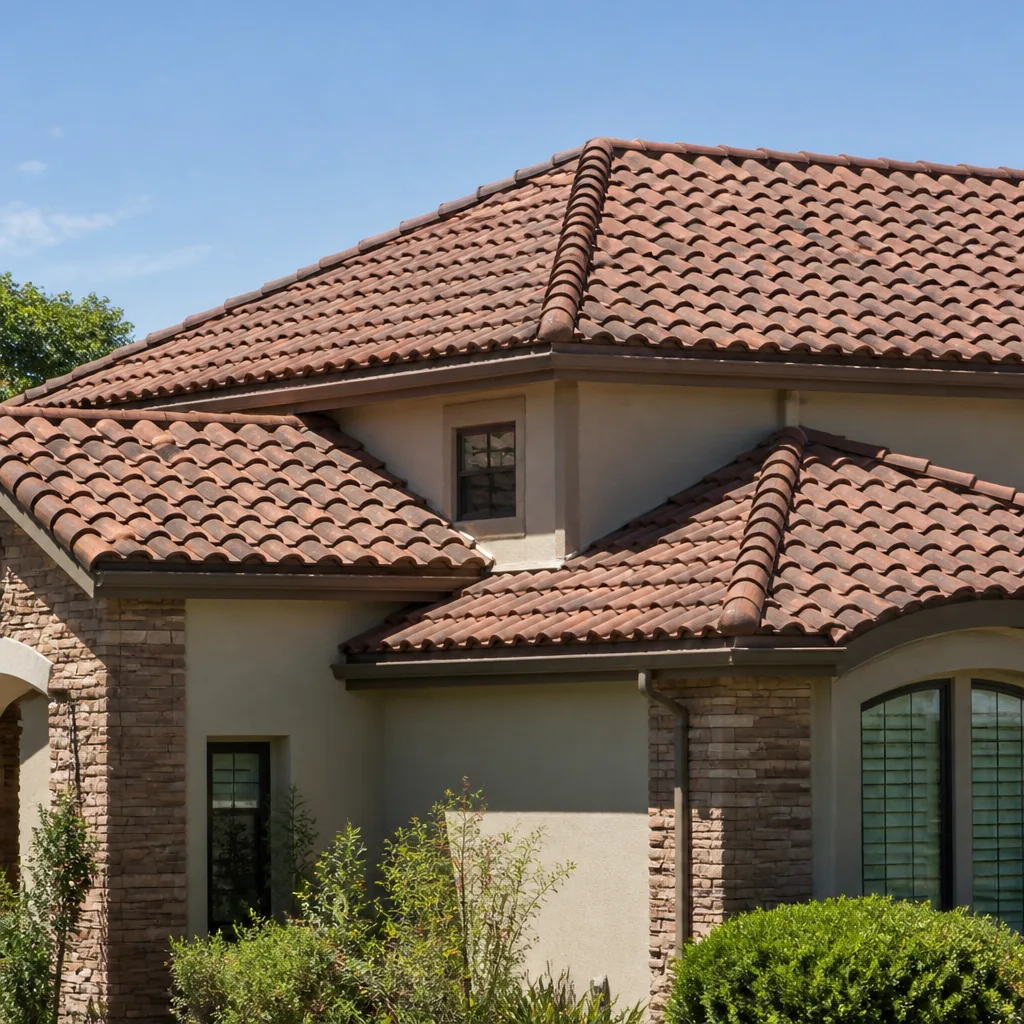
What About Boral Tile or Slate
Boral concrete tile is a niche choice in Fort Worth. It is heavy, beautiful, and expensive, typically $1,400 to $2,200 per square installed, and it requires a structural check before installation because many 1970s and 1980s Fort Worth frames were not engineered for the added dead load. Most neighborhoods in southwest Fort Worth and Arlington Heights trend toward either Class 4 shingle or standing seam; tile shows up occasionally on high-end custom builds in Mira Vista or along the Tanglewood corridor.
We see about 70% of Fort Worth replacements go architectural shingle, 20% go Class 4, and the remaining 10% split between standing seam and tile. That matches what the local insurance market rewards: a roof that protects the home and keeps premiums predictable.
The Line Items That Move Price: Decking, Underlayment, Drip Edge, and Permits
Here is where the 22% bid spread lives. A contractor who hands you a two-line estimate, “remove old roof and install new shingles, $11,000,” is either leaving out work he will add later or planning to do work he is not disclosing was even needed. A disciplined estimate itemizes at least the following.
Decking Replacement: $75 to $95 per 4×8 sheet replaced
Decking is the plywood or OSB layer beneath your shingles. Fort Worth homes built before 2000 often used 3/8-inch plywood, which is thinner than today’s code minimum of 7/16-inch OSB or 1/2-inch plywood. When a roof is torn off, any soft, rotted, or delaminated decking must be replaced before new underlayment goes down. A good estimate includes a unit price per sheet for decking replacement and does not pretend the roofer can see through shingles before tear-off. On a large home with 30 squares of roof and several years of minor leaks, it is not unusual to replace 8 to 15 sheets, which adds $600 to $1,425 to the job.
Ice and Water Shield: Required in Fort Worth Valleys and Eaves
Despite the name, ice and water shield is not just for ice dams. It is a self-sealing membrane installed in valleys, around chimneys, and along eaves where water concentrates. Fort Worth building code and the major shingle manufacturers both require it in valleys and at roof penetrations. Some contractors install it only in valleys and skimp elsewhere; a proper installation runs it in valleys, around all penetrations, and six feet up the eaves on any roof pitch below 4:12. The material cost difference is roughly $80 to $150 per square, and it is one of the most common items quietly excluded from the low bid.
Synthetic Underlayment vs. Felt: Why Fort Worth Roofers Are Moving Away From Felt
For fifty years, 15-pound felt was the default underlayment. It still shows up on low bids because it is about 40% cheaper than synthetic. But Fort Worth heat causes felt to wrinkle, tear at fasteners during wind events, and degrade faster than a modern synthetic underlayment. Synthetic products from manufacturers like CertainTeed and Owens Corning resist tearing, lie flatter, and are rated for longer exposure windows before shingles go on. Expect to see synthetic underlayment listed as its own line item at $20 to $35 per square; felt at $12 to $18 per square. It is not a place to save money on a roof you plan to live under for 25 years.
Drip Edge: The Small Metal That Should Never Be Optional
Drip edge is the L-shaped metal trim installed along eaves and rakes that guides water off the roof edge and into the gutter rather than behind it. Texas building code requires drip edge on all residential roof replacements, but a surprising number of Fort Worth bids still omit it. Without drip edge, water wicks back toward the fascia board, and over several years you get rot at the eave line, which costs far more to fix than the $1.50 to $2.50 per linear foot the metal costs installed. If an estimate does not list drip edge, ask for a revised one that does.
How RCV vs. ACV Insurance Settlements Change What You Actually Pay
In Fort Worth, most homeowners insurance policies are written as replacement cost value, or RCV, for roof claims. That means the insurer agrees to pay the cost to replace your roof with like kind and quality, minus your deductible. But the payout does not all arrive at once.
Here is how the flow works in practice. After a covered claim, the adjuster writes an estimate of the roof’s replacement cost and issues a first check for the actual cash value, or ACV, of the roof. ACV is replacement cost minus depreciation based on the roof’s age and condition. A 10-year-old architectural shingle roof on a Fort Worth home might have 50% depreciation applied, which means the first check covers only half of the estimated replacement cost. The remaining half, called the depreciation holdback or recoverable depreciation, is paid by the insurer only after the work is complete and the contractor submits proof of completion.
That means you will typically float half to two-thirds of the total roof cost between teardown and final payment. Your contractor’s bid has to match the scope the adjuster approved, or the holdback release gets complicated. If the contractor substitutes cheaper underlayment or skips drip edge to make the numbers work, you are paying for a roof that isn’t built to the standard the insurer priced. We recommend that Fort Worth homeowners take their contractor’s written estimate to their adjuster before signing, and make sure the line items line up: same square count, same underlayment type, same drip edge, same decking allowance.
One more thing worth knowing. If your policy is written as ACV only, common on older Fort Worth rental properties and some discount policies, you will receive only the depreciated value regardless of what the new roof costs. An ACV settlement on a 15-year-old roof may cover 40% or less of a full replacement. That makes repair-versus-replace math look very different, which we get into below.
The Real Cost of a ‘Free Inspection’ From a Commission-Based Contractor
Fort Worth sees a wave of door-knocking roofing contractors after every major hail event, and the pitch is always the same: free inspection, we work with your insurance, we’ll get you a new roof. The inspection itself may be free. What it costs you over the next three years often is not.
Here is the specific failure mode we see in Fort Worth. A commission-based estimator climbs onto a roof with no storm damage beyond normal wear, documents “hail hits” of questionable severity, and submits a claim on the homeowner’s behalf. The insurer may pay some claims of this kind simply because denial costs more in adjuster time and dispute risk. The homeowner gets a roof. Then the policy renews. A hail claim on a Fort Worth policy commonly raises annual premiums by 15% to 30% for three to five years, and in some Tarrant County ZIP codes, it triggers a mandatory deductible increase or a wind and hail exclusion. On a $2,800 annual premium, a 25% increase over three years is over $2,100 in added cost. The “free” inspection just cost more than the deductible.
We are not saying every storm claim is inflated, or that legitimate hail damage does not happen. It absolutely does. A 2016 storm that moved through southwest Fort Worth and the Wedgwood area produced thousands of legitimate claims, and a roof with genuinely broken shingle seals and cracked mats should be replaced. But the test is whether the damage is real and documented. Before anyone files a claim on your behalf, have an independent roof inspection by someone who is not compensated by the claim’s outcome. Brennan Roofing Co Fort Worth charges nothing for an inspection and we do not work on commission. If there’s no damage, we tell you there’s no damage, and we tell you in writing. That is the entire point of a written roof inspection report.
Repair or Replace: A Financial Test Based on Age, Warranty, and Fort Worth Insurance
Fort Worth homeowners usually reach the repair-or-replace question in one of two ways: a storm just passed and a leak appeared, or the roof is aging and they want to get ahead of it. Our Roofing Warning Signs: A Fort Worth Homeowner’s Reference Guide can help you spot problems early. The financial test is easier than most people think.
Step 1: Determine the roof’s age and remaining manufacturer warranty
Pull the original building permit or the previous owner’s closing documents and find out when the roof was last replaced. If your architectural shingle roof is under 10 years old and the shingle mat is intact, repair is usually the right call. The manufacturer warranty still has meaningful life, and a competent repair can buy another 5 to 10 years. If the roof is approaching 15 to 18 years old in Fort Worth heat, the shingle granules are thinning, and repairs become increasingly temporary. The decking below is also more likely to have suffered moisture intrusion over those years.
Step 2: Calculate cost per remaining year
A $1,200 repair on a roof with six years of useful life left costs you $200 per year. A $14,000 replacement on the same house, spread over 25 years, costs $560 per year. The repair looks cheaper now. But add the next repair, the one after that, and the water damage from the leak you did not catch, and the comparison shifts. Our rule of thumb: if cumulative repairs over the next three years will exceed 20% of the replacement cost, replace.
Step 3: Check current Fort Worth insurance posture on partial replacements
This is the part most contractors don’t tell you. Some Fort Worth insurers now decline to insure homes with partial shingle replacements because the partial section ages differently from the original roof and wind resistance becomes inconsistent. If a large tree limb tears off an 8-by-12-foot section on an otherwise aging roof, repairing just that section may satisfy the immediate need but leave you with an insurance non-renewal notice next spring. Before committing to a significant partial repair, call your agent and confirm the policy will remain in force. Homeowners in Fort Worth neighborhoods like Ryan Place and Mistletoe Heights, where homes are older and roof geometry is complex, should be especially careful here.
- Find the roof’s age and last replacement date from permits or closing documents.
- Get a repair bid and a replacement bid from a contractor who will put both in writing.
- Compare cost per remaining year, not cost today.
- Confirm with your insurer that a partial repair won’t affect renewability.
- Decide before a leak decides for you.
If you’re at step 2 and want both numbers from the same source, Brennan Roofing’s roof repair team in Fort Worth can put a repair cost and a replacement cost on paper in the same visit, so the comparison is apples to apples. No pressure toward one or the other, because we are not paid on commission.
Tarrant County Permit Fees and Code Requirements That Belong on Every Estimate
Fort Worth requires a building permit for roof replacement, and the permit fee scales with the job’s valuation. In 2026, a typical residential reroof permit in the city of Fort Worth runs $150 to $350 depending on total project value. If you live in an unincorporated part of Tarrant County, the permitting authority changes, and the fee structure differs slightly, but the requirement does not disappear.
What matters more than the fee itself is whether the contractor pulls the permit and whether the estimate includes it. A roofer who works without a permit is doing unpermitted work on your home, and when the city finds out, it is the homeowner, not the contractor, who receives the violation notice. Unpermitted work also creates disclosure problems when you sell. Texas seller’s disclosures ask whether any improvements were made without permits.
Beyond the permit, the current International Residential Code as adopted by Fort Worth requires:
- Underlayment: at least one layer of underlayment over the entire roof deck, with ice and water shield in valleys and at eaves in certain conditions.
- Drip edge: installed at eaves and rakes, with manufacturer-specified fastening patterns.
- Nailing pattern: nails per shingle and nailing zones per the manufacturer’s written instructions, which in Fort Worth’s wind zone means six nails per shingle on most products.
- Attic ventilation: existing ventilation must meet at least the code minimum for the roof’s square footage, and many Fort Worth homes built before 1990 fall short.
- Flashing: new metal flashing at all penetrations, walls, and valleys.
A written estimate that includes a permit fee and names the contractor’s license status tells you the roofer plans to do the job legally. Every Brennan Roofing installation in Fort Worth includes permit pull and inspection in the written price. It is a line item, not a surprise.
How to Compare Two Fort Worth Roofing Estimates Line by Line
You have two estimates in front of you. One says $11,400. One says $13,800. The natural instinct is to pick the lower number. Do not do that until you check what each one actually includes. Here is the comparison method we recommend to any Fort Worth homeowner.
Step 1: Confirm the square count matches
Every roof has a measurable surface area. If one contractor bids 26 squares and another bids 24, one of them measured wrong, or one is pricing a smaller roof to win the job and will correct it later. Ask to see the measurement report. We pull measurements from satellite imagery plus a physical check at the roof, and the square count goes on the estimate in writing.
Step 2: Check the material specification
Both estimates say “architectural shingles.” But one specifies the exact product: GAF Timberline HDZ in charcoal, with GAF Seal-A-Ridge ridge cap and GAF synthetic underlayment. The other says “30-year shingle, color to be determined.” The first estimate is a real roof. The second is a placeholder. A material specification is the only way to compare prices honestly, and it is the only way to know what warranty you are actually getting.
Step 3: Match the line items one for one
- Tear-off and disposal, including dump fees: present in both?
- Decking replacement unit price per sheet: present in both, or one vague?
- Ice and water shield in valleys and penetrations: present in both?
- Synthetic or felt underlayment: specified in both?
- Drip edge at eaves and rakes: specified in both?
- Permit fee and inspection scheduling: included in both?
- Warranty terms: workmanship warranty duration in writing?
When you run that comparison, the 22% spread usually collapses. The $11,400 bid is missing decking allowance, uses felt instead of synthetic, omits drip edge, and does not pull a permit. The $13,800 bid includes all of it. The lower number was never lower; it was just quieter about what it left out.
This is the reason Brennan Roofing writes estimates the way we do. The price goes on paper before any work starts, with every material, line item, and the permit named. It does not move at the door. That is the Garrison Standard, and it is not a slogan, it is the way the estimate is structured.
Fort Worth Hail and Wind: What 2026 Homeowners Should Know About Storm Pricing
Fort Worth sits in the northern edge of the hail belt, and hail events here are not random. They cluster in spring, from March through early June, with a secondary window in October. Our Seasonal Roofing Care for Fort Worth: Year-Round Homeowner’s Guide breaks down what to watch for each season. The storms that track across Parker County and into Tarrant County routinely produce hail from golf ball to baseball size, and the resulting damage keeps roofing demand in Fort Worth consistently high from April through September.
What does that mean for pricing? Two things. First, storm season is when the out-of-state storm chasers appear. They set up temporary shop, run aggressive door-to-door campaigns, install roofs with local labor hired at a premium, and are gone by fall. When the roof leaks in December, the phone number is disconnected. The Fort Worth market sees this cycle every year, and it is the single biggest reason to hire a roofer with a permanent address in Tarrant County, not a P.O. box and a magnet sign.
Second, material pricing in storm season can spike 5% to 10% as regional suppliers deplete stock. That is a real cost pressure, and it shows up on honest bids. What should not change is the line-item structure of the estimate. A roof that costs $12,800 in January may cost $13,600 in May because shingle prices moved. The decking unit rate, the per-square labor, and the permit fee should stay the same.
If you are filing a hail claim in Fort Worth, remember that the adjuster’s estimate already prices the roof at current storm-season rates. You are not paying extra because you filed a claim; you are paying your deductible and the portion of the roof the policy does not cover. A contractor who inflates the price above the adjuster’s estimate is converting your claim into his margin. Our advice to Fort Worth homeowners has not changed in the years we have been doing this: get a written estimate, show it to the adjuster, and never sign anything until the numbers line up. The roofing company you choose should be a local Fort Worth business, not a storm-chasing office. For more guides & resources on navigating the process, see our blog.
Common Mistakes to Avoid
- Comparing only the bottom line. Two Fort Worth estimates with a 20% price gap are usually not bidding the same roof. Compare the line items, not the total, and ignore the low bid until it itemizes decking, drip edge, and underlayment.
- Accepting an estimate that omits the permit. Unpermitted roof work in Fort Worth becomes a seller’s disclosure problem and a code enforcement liability. If the permit fee is not listed, ask why.
- Filing an insurance claim without an independent inspection. A commission-based “free inspection” can trigger a claim that raises your premiums for years. Get a documented inspection from a roofer who is not paid by the claim.
- Assuming all underlayment is the same. Felt underlayment costs less and fails sooner in Fort Worth heat. Synthetic underlayment is the standard for a reason. Know which one is in your bid.
- Repairing repeatedly instead of running the numbers. Repairs on a roof past 15 years old often cost more per year than replacement, especially when partial repairs complicate future insurance renewals.
- Hiring a storm chaser. A roofer without a permanent Fort Worth presence will not be here when the workmanship warranty is tested. Hire a company with a local address and a named owner.
- Waiting until the leak appears. Interior water damage, decking rot, and mold remediation costs multiply a roof replacement quickly. A roof inspection on a schedule costs less than a water damage claim.
See the difference
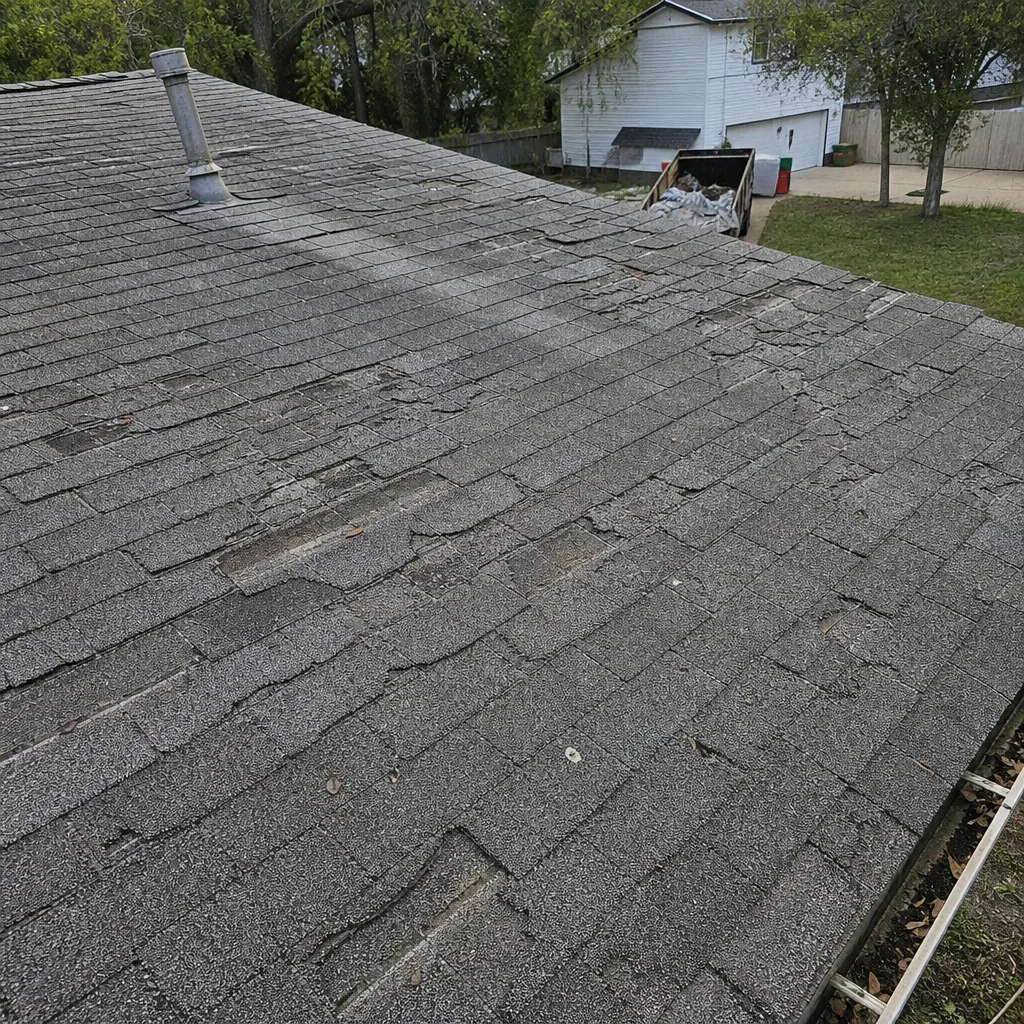 Before
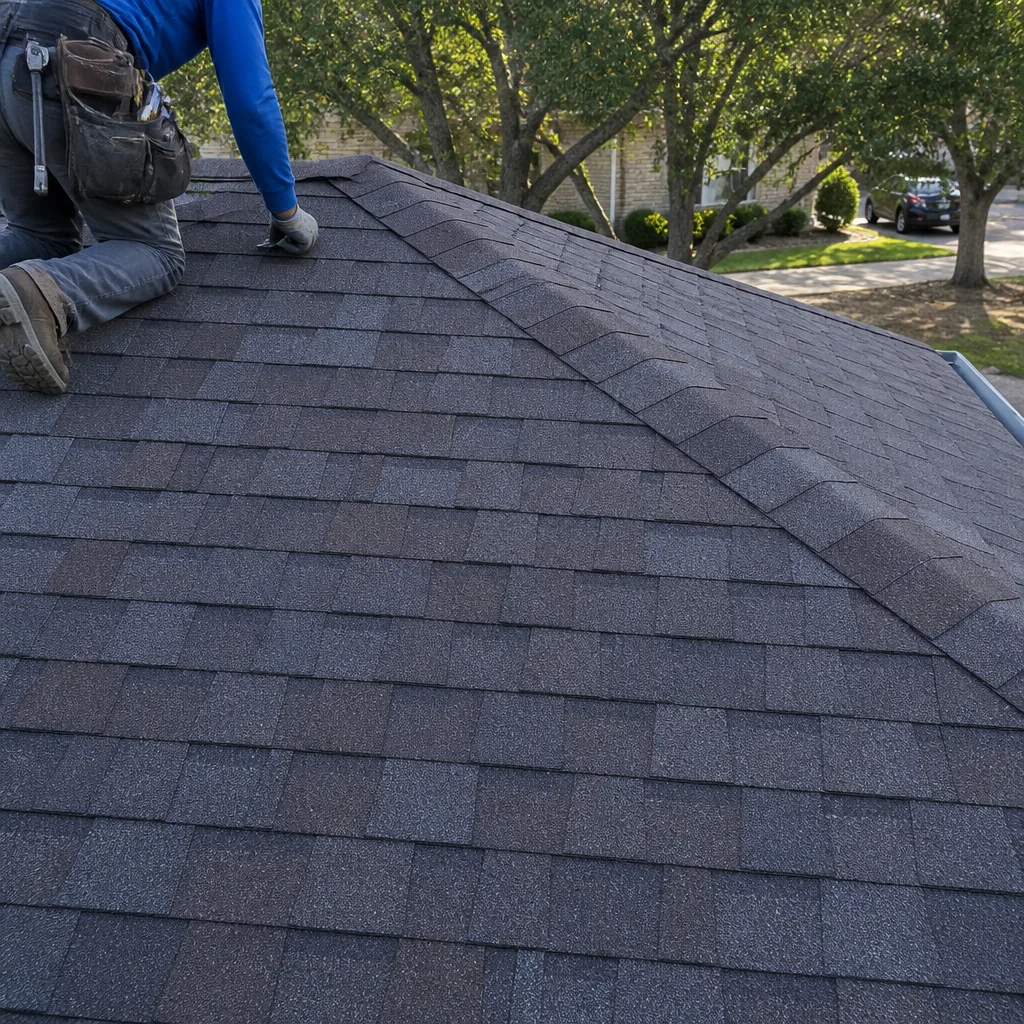 After
After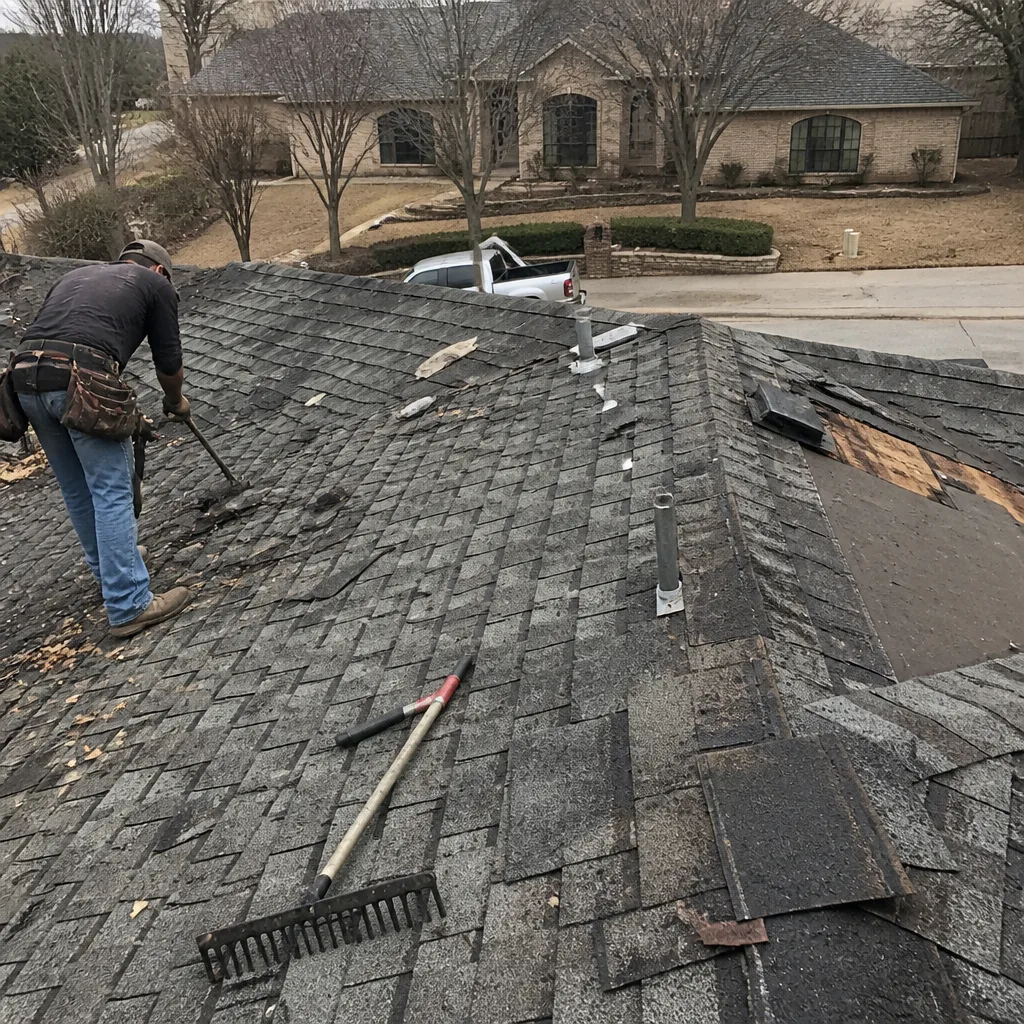 Before
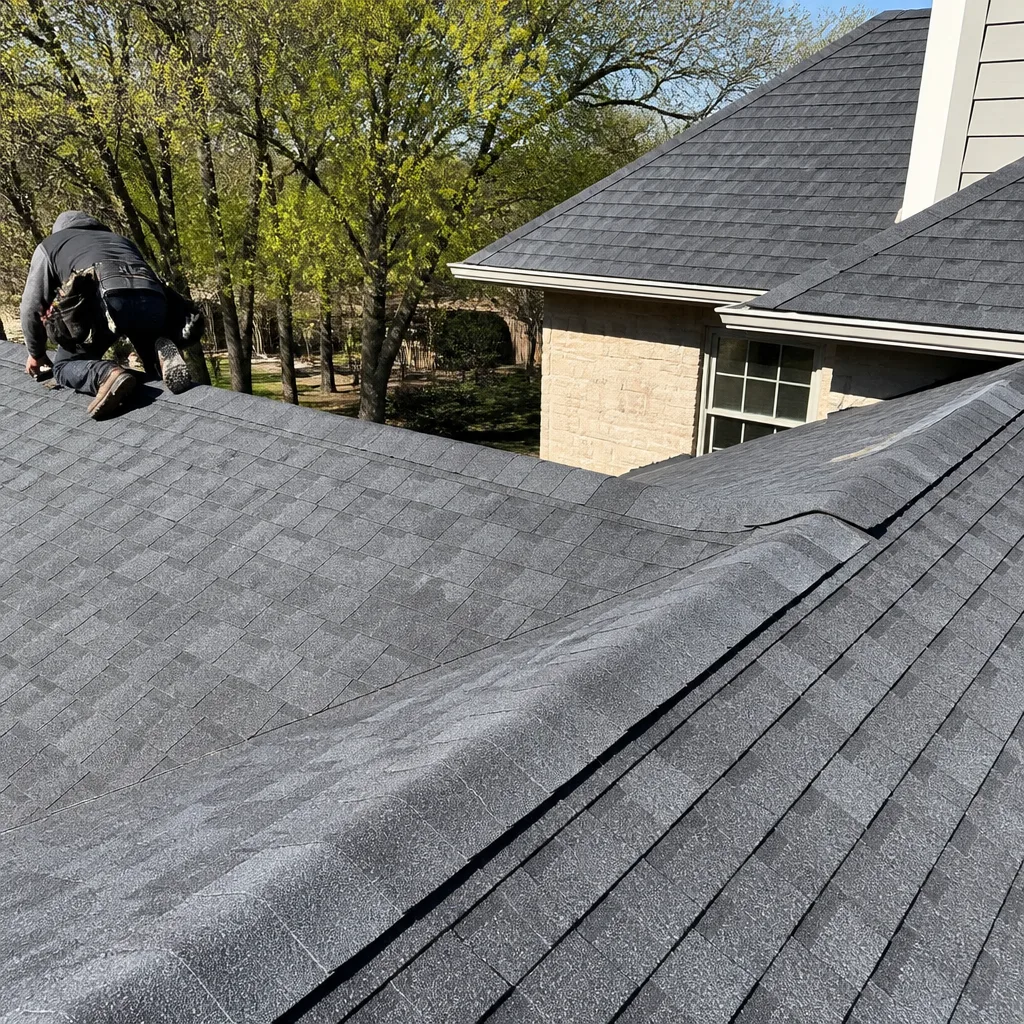 After
After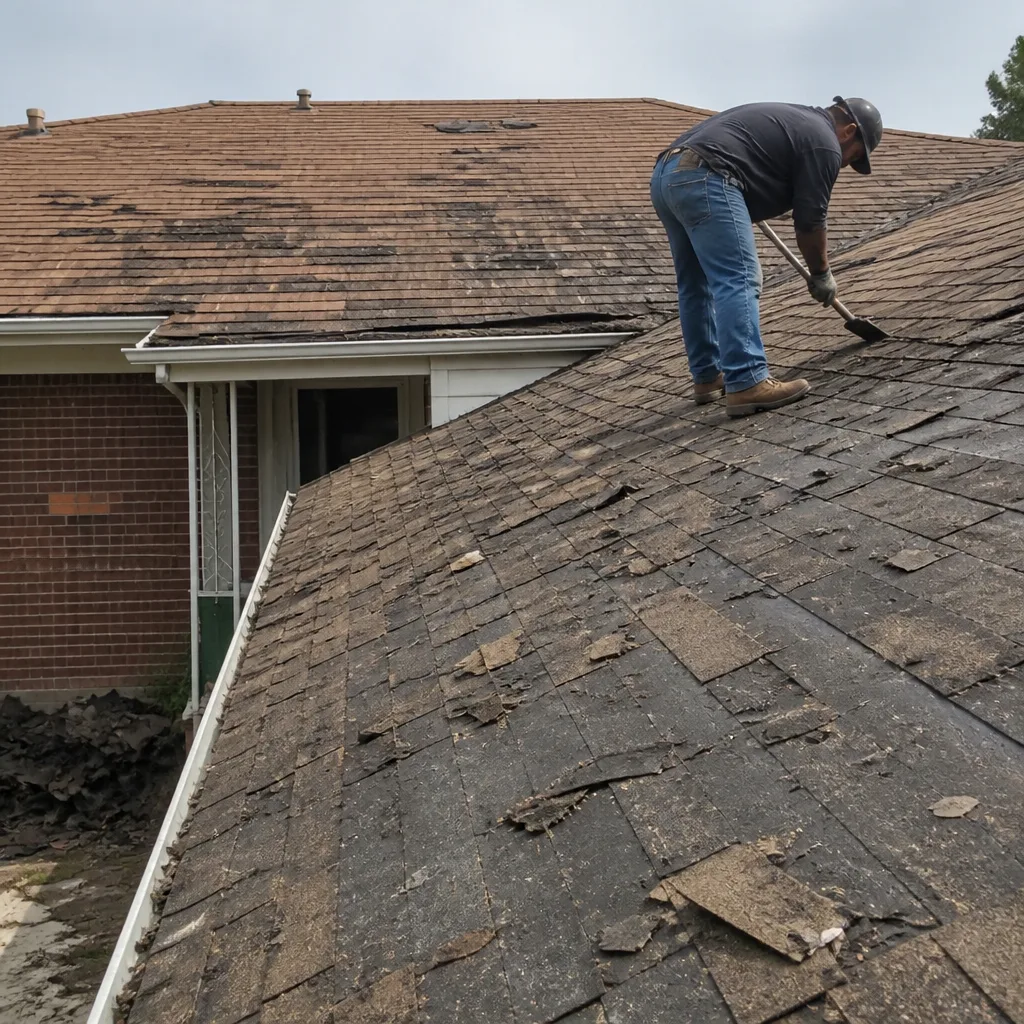 Before
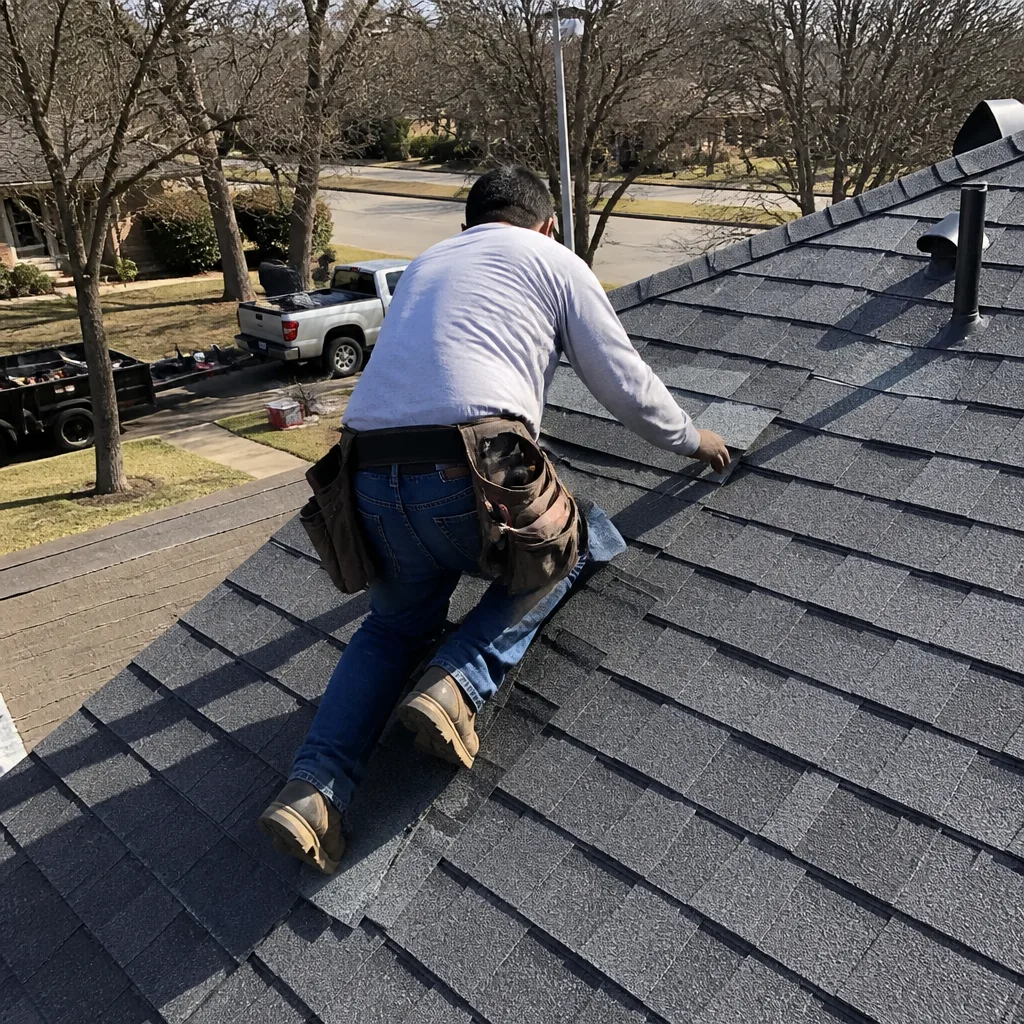 After
AfterWhen to Call a Professional
Some roofing decisions should not happen from the ground with binoculars. Call a professional if you see granule loss collecting in gutters, shingles curling at the eaves, daylight visible in the attic through the decking, or water staining on ceilings after a Tarrant County storm. You should also call before filing any storm-related insurance claim, because an independent inspection gives you documentation that protects you from both inflated claims and denied legitimate ones. If you are buying or selling a home in Fort Worth, a roof inspection should be part of that transaction no matter what the disclosure says. Brennan Roofing Co Fort Worth offers free estimates in Fort Worth. Call (682) 900-7902, and a live person answers. Not a voicemail, not an automated system. We’ll schedule the visit, put the written estimate in your hand, and let you decide from there.
Frequently Asked Questions
A new architectural asphalt shingle roof in Fort Worth runs $450 to $650 per square installed, which puts most homes between $9,000 and $16,500 depending on roof size, pitch, and decking condition. Standing seam metal runs $1,100 to $1,600 per square, and Class 4 impact-resistant shingles run $550 to $750 per square. For an exact quote on your home, call (682) 900-7902 for a free written estimate.
Three-tab asphalt shingles are the cheapest product at roughly $350 to $450 per square installed, but most Fort Worth roofers no longer install them because they are thinner, more wind-vulnerable, and only rated for 20 to 25 years. Architectural asphalt shingles are the value point in the Fort Worth market: meaningfully more durable than three-tab, and only 20% to 30% more expensive. Call (682) 900-7902 to get both options priced on paper.
Yes, the city of Fort Worth requires a building permit for roof replacement, and Tarrant County has similar requirements in unincorporated areas. The permit fee typically runs $150 to $350, and the estimate should include it as a line item. A roofer who skips permits puts the homeowner, not the roofer, on the hook for code violations and disclosure problems.
Most Fort Worth roof repairs run $350 to $750 for minor work like replacing a few damaged shingles, resealing flashing, or patching a small penetration. Larger repairs involving multiple squares of shingles, decking sections, or valley reconstruction can run $1,200 to $3,000. For an exact repair quote, call (682) 900-7902 and we’ll put a written number in front of you before any work starts.
It depends on your policy and the documented damage. Most Fort Worth policies pay replacement cost value minus your deductible for covered storm damage, but they disburse the payment in two parts: actual cash value first, then the depreciation holdback after the work is complete. An ACV-only policy may cover less than half of a full replacement. Have your contractor’s estimate reviewed against the adjuster’s scope before signing anything.
A standard architectural shingle tear-off and replacement on a Fort Worth home usually takes one to two days for the roof itself, with an additional day in some cases for decking replacement discovered after tear-off. Standing seam metal takes two to four days. The permit process usually adds several days of scheduling time before the tear-off begins.
The Bottom Line
Fort Worth roofing estimates are not quotes for the same roof. They are documents that reveal what a roofer includes, excludes, and is willing to stand behind in writing. The lowest bid is usually lowest because it omits something: drip edge, synthetic underlayment, decking allowance, or the permit. The way to protect yourself is not to shop for the cheapest number. It is to demand a line-item estimate, compare the items one for one, and choose the roofer whose price stays on paper before any work starts. That is what the Garrison Standard means at Brennan Roofing Co Fort Worth, and it is the same standard on every roof we install.
Written by Travis Oakley, Owner at Brennan Roofing Co Fort Worth, serving Fort Worth since 2000.