

Last updated October 17, 2026
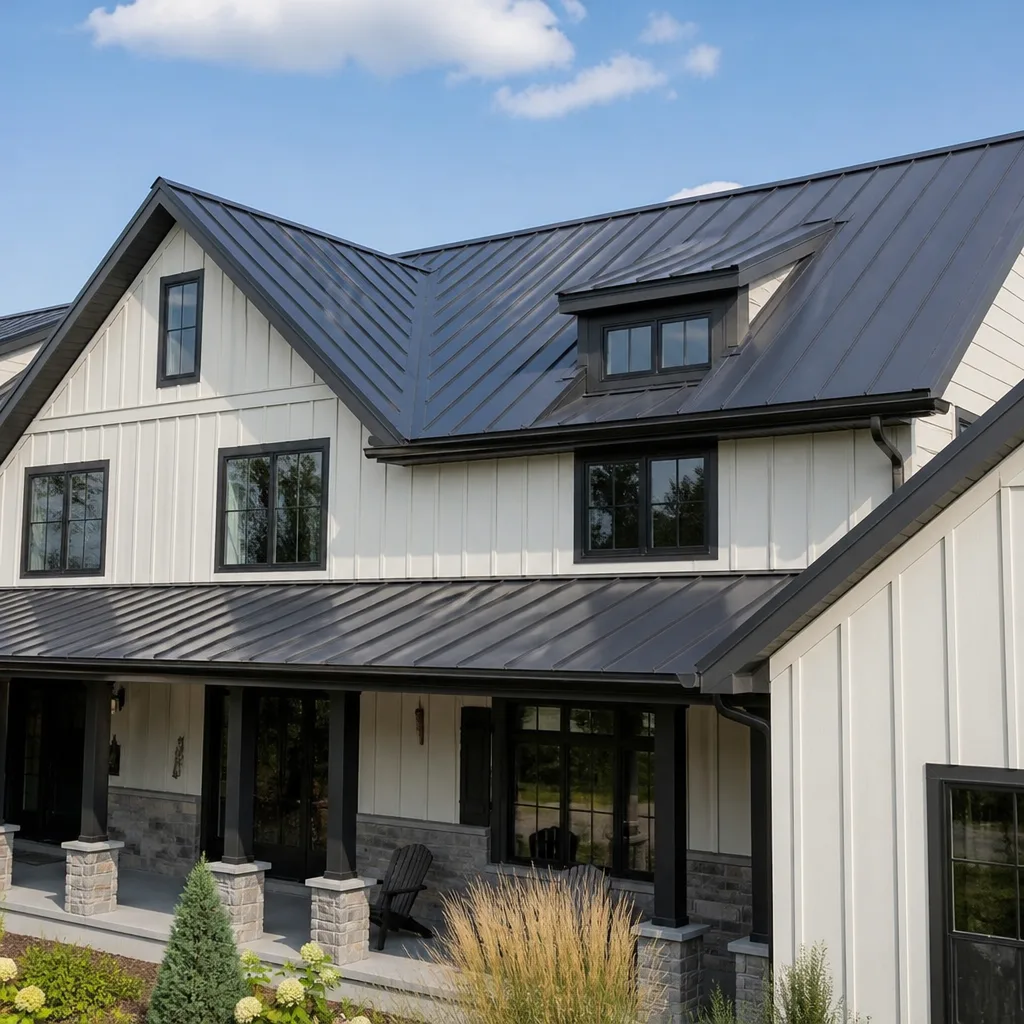 Metal roofing
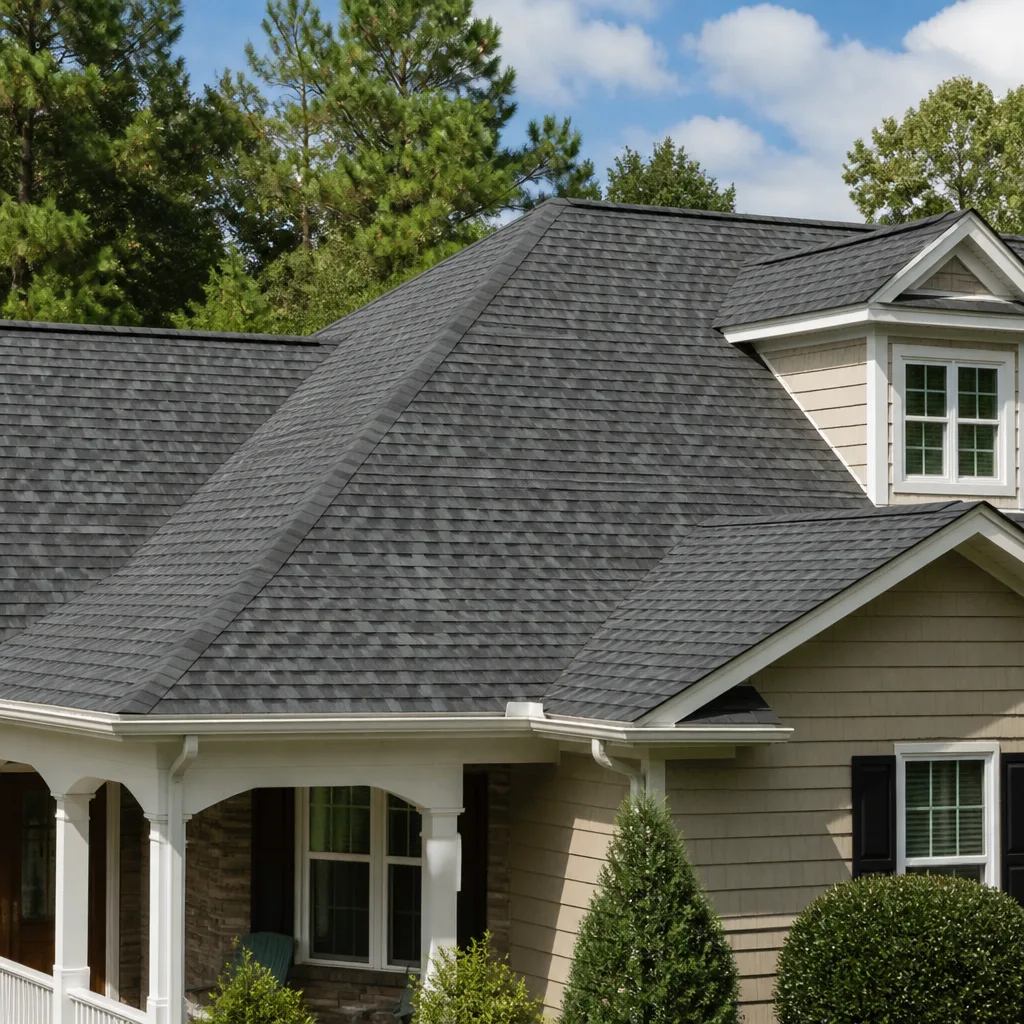 Architectural shingles
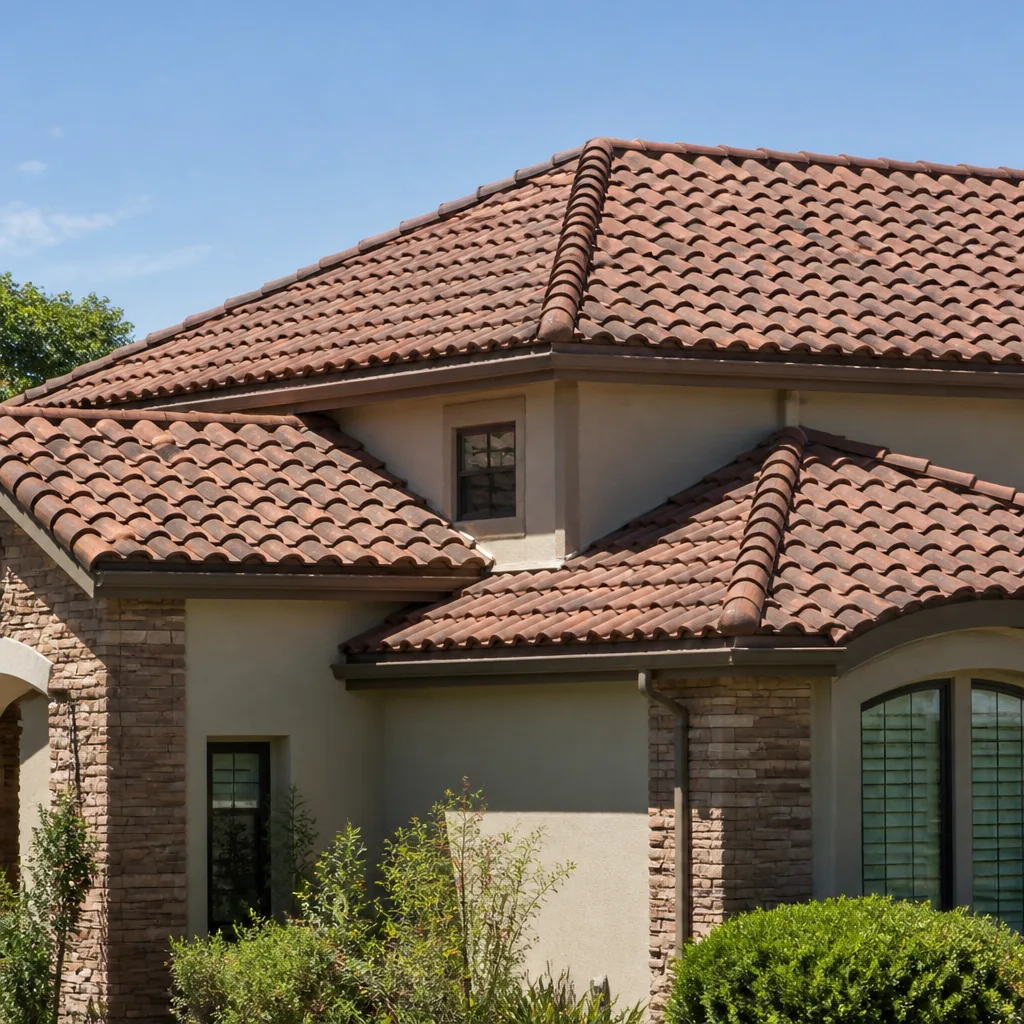 Tile roofing
 GAF
GAF Owens Corning
 Flat & low-slope
Free roof inspection with deck photos before we talk money - GAF and Owens Corning certified installation
Roofing Permits, Codes & Inspections in TX: What You Need to Know
An eighteen-month-old roof failed during a Fort Worth storm, and the homeowner’s water damage claim was denied not because the shingles were defective, but because the contractor never pulled a permit. The insurer’s position was simple: an unverified installation can’t be trusted to meet code, so the damage wasn’t covered. That homeowner paid twice, once for the roof and again for the repairs. This guide explains when Fort Worth requires a roofing permit, what inspectors actually check, which code standards apply in Tarrant County, and why the paper trail matters just as much as the shingles. For a broader look at protecting your home, see our Roofing Warning Signs: A Fort Worth Homeowner’s Reference Guide. You’ll leave knowing exactly what to ask any contractor before they put a ladder against your wall.
Styles & brands we work with
Quick Answer
Most full roof replacements in Fort Worth require a building permit from the City of Fort Worth Development Services Department, and the 2021 International Residential Code (IRC) governs how that roof must be installed, ventilated, and fastened. A proper permit creates a paper trail that protects your homeowner’s insurance, your resale value, and your leverage if the installation fails. Repairs covering less than 100 square feet of decking generally don’t trigger permit requirements, but anything larger usually does.
Table of Contents
- When Fort Worth Requires a Roofing Permit
- What a Fort Worth Roofing Inspector Actually Checks
- IRC 2021 in Tarrant County: What Changed and Why It Matters
- How Permit Records Affect a Home Sale
- What to Do When a Contractor Says “We Don’t Need a Permit”
- Fort Worth Roofing Market: What Homeowners Pay and Why
- Common Mistakes to Avoid
- When to Call a Professional
- Frequently Asked Questions
- The Bottom Line
When Fort Worth Requires a Roofing Permit
Fort Worth follows the Texas Local Government Code and the city’s own amendments to the International Residential Code. The rule that trips up most homeowners is the deck threshold. Asphalt shingle replacements in Fort Worth typically require a permit if the project involves replacing more than 25% of the total roof deck, or approximately 100 square feet of sheathing, whichever is triggered first. A basic shingle-over-shake replacement that leaves the existing deck undisturbed might stay under that threshold, but once a tear-off reaches decking replacement, the permit becomes mandatory.
What qualifies as a repair versus a replacement matters more than homeowners expect. In Forth Worth, the city treats roof coverings differently than roofing structure. Replacing shingles, underlayment, and flashing on a roof where the deck is intact usually counts as a reroof, not a new roof. A full replacement that pulls up the deck, modifies the roof’s shape, or adds new structural members crosses into new-roof territory. Contractors who blur this line are usually trying to avoid the inspection queue, not save you money.
Here’s the threshold in plain language:
- Permit required: Any roof work that replaces over 100 square feet of decking, alters the roof structure, or changes the roof’s footprint or slope.
- Permit not required: Replacing shingles and underlayment only, without touching the deck, as long as the roof’s structural configuration stays identical.
- Gray area: Spot repairs that replace a few sheets of plywood around a chimney or valley. The cumulative square footage determines whether a permit is needed, and inspectors count the whole job, not each patch.
The permit itself is handled through the City of Fort Worth Development Services Department, and a licensed contractor typically pulls it on the homeowner’s behalf. The permit fee for a residential reroof in Fort Worth generally runs between $80 and $150, though that number shifts with the project’s valuation. That fee buys you an independent inspection, a permanent record, and a contractor who knows someone from the city will be looking over their work before the final check clears.
What a Fort Worth Roofing Inspector Actually Checks
A Fort Worth roofing inspection is not a rubber stamp. The city inspector who walks your roof is looking for specific failures that shorten a roof’s life and void manufacturer warranties. Knowing what they check helps you understand why some cheap bids stay cheap, and why a written price and a permit matter more than a handshake.
The inspection sequence usually runs like this:
- Decking condition: The inspector looks for rotted, delaminated, or undersized sheathing. Fort Worth’s freeze-thaw cycles and hail storms wreak havoc on OSB, and if the deck flexes underfoot, the inspector notes it. The crew must replace damaged sheets before underlayment goes down.
- Underlayment type and overlap: The city enforces the IRC’s requirements for synthetic or asphalt-saturated felt underlayment, including the required overlap at horizontal seams and the fastening pattern. In Fort Worth’s storm-driven climate, underlayment is the second line of defense after shingles fail.
- Ice and water shield placement: In zones prone to ice damming and wind-driven rain, the IRC requires ice-and-water shield along eaves, valleys, around penetrations, and in other vulnerable areas. Fort Worth’s code amendments mirror the state’s adoption of the IRC, and the inspector checks that the shield extends the required distance up the roof slope.
- Drip edge installation: Drip edge must be installed at the eaves and rakes, with specific overlap dimensions and fastening patterns. Missing drip edge is one of the most common reasons a Fort Worth reroof fails inspection, and it’s also one of the most common shortcuts on low-bid jobs.
- Nail pattern and penetration: The inspector verifies that shingles are nailed in the correct locations and that nails penetrate the deck by at least 3/4 inch or into the sheathing. Over-driven nails, under-driven nails, and high nailing all fail, because they compromise the roof’s wind-uplift resistance.
- Flashing at penetrations and transitions: The inspector checks pipe boots, chimney flashing, valley flashing, and side-wall step flashing for proper overlap and sealant. Any gap here is a future leak, and Fort Worth inspectors are trained to find them before the final sign-off.
The inspection costs you nothing beyond the original permit fee, and it protects you from a contractor whose work would otherwise go unexamined. A roofer who gets nervous about an inspection is telling you something before you ever see the work.
IRC 2021 in Tarrant County: What Changed and Why It Matters
Texas adopted the 2021 International Residential Code at the state level, and Tarrant County municipalities, including Fort Worth, enforce it with local amendments. The 2021 edition tightened several roofing requirements that directly affect how your roof should be built. Contractors who learned the trade on older code cycles sometimes miss the updates, and inspectors catch those misses on the roof. Our Seasonal Roofing Care for Fort Worth: Year-Round Homeowner’s Guide covers how to spot trouble between inspections.
The most practical changes for Fort Worth homeowners:
- Ventilation ratios: The 2021 IRC mandates a net-free ventilation area of 1/150 of the attic floor area, unless specific conditions allow a reduction to 1/300. In practice, that means a 1,500-square-foot attic needs 10 square feet of net-free vent area. The old code let contractors get away with less, and old roofs often show it in the form of baked shingles and premature granule loss.
- Drip edge requirements: The 2021 code makes drip edge mandatory at eaves and rakes, with explicit language about fastener spacing and overlap. In previous cycles, drip edge was recommended, not required. Fort Worth enforces this change, and it’s one reason older roofs in neighborhoods like Wedgwood and Ridglea Hills often need drip edge added during a reroof.
- Valley flashing specs: The 2021 IRC specifies minimum valley liner widths, fastener placement outside the water flow path, and open versus closed valley installation standards. A Fort Worth inspector looks at valley construction specifically because hail and wind storms stress valley flashing more than any other roof component except the ridge.
- Fastener requirements: The 2021 code requires ring-shank nails on new construction and specifies nail corrosion resistance for coastal and high-moisture environments. Tarrant County isn’t coastal, but the code’s nail-penetration requirements still apply, and over-driven nails remain a top reason for inspection failures.
In our experience on Fort Worth roofs, the ventilation change catches the most contractors off guard. Older homes in areas like Arlington Heights and Meadowbrook were built before ridge vents and soffit baffles became standard. A roofer who slaps a new shingle layer over an under-ventilated attic creates a roof that fails from the inside out. The code change forces that conversation, which is exactly why the permit exists.
How Permit Records Affect a Home Sale
When you sell a Fort Worth home, the buyer’s inspector will compare the roof’s condition against the city’s permit database. An unpermitted reroof shows up as a gap in the record, and that gap becomes a negotiation point, a repair request, or a deal-breaker. The buyer’s lender may also flag unpermitted work, especially on an FHA or VA loan, and require retroactive permitting before closing.
Retroactive permits are more expensive than pulling the permit in the first place. The city charges double permit fees for after-the-fact permits, and the inspection process is the same, except now the work is already covered up. If the inspector can’t see the underlayment or the nail pattern, they may require destructive testing, which means pulling up shingles to prove the roof was built right. That costs thousands.
Here’s what the permit record actually gives you as a Fort Worth homeowner:
- Proof of compliance: The permit number is a documented, dated record that your roof met code at installation. A buyer’s inspector can’t argue with it.
- Warranty protection: Manufacturers like CertainTeed and Owens Corning require code-compliant installation for their wind warranties to remain valid. An unpermitted roof is often an unverifiable roof, and the manufacturer can deny a warranty claim on that basis.
- Insurance leverage: The claim denial story that opened this guide wasn’t a rare event. Insurers use any gap in documentation to limit exposure after a storm. A permitted roof gives you a clean record to show the adjuster.
- Resale transparency: Many Fort Worth sellers now list permit records in their disclosures. Buyers in markets like Watersbend and Park Glen ask specifically about roof age and permit status because they’ve seen too many surprise $20,000 replacements after closing.
If your roof was installed without a permit and you’re still in the home, the fix is possible. Contact the city, explain the situation, and ask a licensed roofer to handle the retroactive permit and inspection. It’s a hassle now; it’s a deal-killer later.
What to Do When a Contractor Says “We Don’t Need a Permit”
Some Fort Worth contractors will tell you a permit isn’t necessary for your reroof. Sometimes they’re right, but often they’re avoiding a paper trail that would make them accountable. Here’s how to sort out which one you’re dealing with.
When a contractor claims no permit is needed, ask these questions in order:
- “Will the decking be replaced, and how many square feet?” If the answer is over 100 square feet, Fort Worth requires a permit. If they say the deck is fine, ask them to write that on the estimate, because they’ll be on the hook if the tear-off reveals rot that pushes the job over the threshold.
- “Can you pull the permit and let the city inspect the work anyway?” A contractor who refuses this request, even when you offer to pay the fee, is signaling they don’t want eyes on the roof. Walk away. A roofer who stands behind their work should welcome the inspection.
- “What does your contract say about permit responsibility?” Fort Worth allows the homeowner or the contractor to pull the permit, but the contract should name the responsible party explicitly. If the contract is silent on permits, stop the deal until it’s corrected.
- “Will you give me the permit number before work starts?” The permit number proves the application was filed. A contractor who can’t produce a number either never filed or is hoping you won’t check.
There are legitimate cases where a permit isn’t required. A small roof repair in Fort Worth that replaces a few shingles and leaves the deck alone usually stays under the threshold. What should worry you is a contractor who defaults to “no permit needed” before they’ve even seen the roof. That’s not an assessment; it’s a sales tactic.
Fort Worth Roofing Market: What Homeowners Pay and Why
Roof replacement costs in Fort Worth run a wide range because the city’s housing stock spans a century of building styles, and the roof conditions span everything from storm-patched to original-1950s cedar. For full project planning details, read The Complete Guide to Roofing in Fort Worth. A full asphalt shingle reroof on a typical 2,000-square-foot Fort Worth home costs between $9,000 and $16,000, including tear-off, decking replacement as needed, new underlayment, drip edge, flashing, and architectural shingles from a manufacturer like Atlas or IKO. Homes with steep pitches, multiple valleys, or extensive deck rot fall above that range.
Material choice moves the number by thousands. Three-tab shingles represent the budget end, and Fort Worth homeowners who plan to stay beyond ten years typically choose architectural shingles for their thicker profile and higher wind ratings. A roof with atlas or IKO architectural shingles, full ice-and-water shield in the valleys, and proper ventilation under the 2021 IRC will sit at the upper end of that price range. It also carries the strongest warranty path and the cleanest permit record.
At Brennan Roofing Co Fort Worth home, every estimate puts the price in writing before any work starts. That number includes the permit fee, and it does not move at the door. We’ve replaced roofs in neighborhoods across Fort Worth from Ryan Place to Western Hills, and the homes with permitted, inspected installations age differently. That paper trail, the one the city keeps, is what our customers lean on when hail season comes through. If you’re comparing bids from a Roofing Company in Fort Worth, ask each one whether the permit is included and what happens if the decking replacement pushes the job over the Fort Worth threshold. The answer tells you how they handle accountability.
Common Mistakes to Avoid
- Believing a permit is optional because the contractor says so. The contractor doesn’t have to live with a denied insurance claim or a failed home inspection. You do. Check the 100-square-foot deck rule before you waive the permit.
- Choosing the cheapest bid without comparing line items. A $7,000 bid on a roof that needs new decking, drip edge, and ventilation is missing something. That something shows up later as a leak or a failed inspection.
- Skipping the permit to save $100. The permit fee is the cheapest insurance you’ll ever buy on a $12,000 roof. A retroactive permit costs double, plus whatever the inspector makes you tear open.
- Ignoring ventilation because “the old roof didn’t have it.” The 2021 IRC changed the ventilation requirement, and Fort Worth summers are hotter than they were when your house was built. An unventilated roof under new shingles is a warranty void and a premature failure.
- Letting a contractor reuse old flashing. Flashing fails in the same storms that killed the shingles. Reusing it saves a hundred dollars and risks a thousand-dollar interior repair. Fort Worth inspectors see this on tear-offs all the time.
- Not asking for a Roof Inspection in Fort Worth after a major hailstorm. Hail damage hides under the shingles. A documented inspection after a storm creates the record your insurer wants to see when you file a claim, and it catches slow leaks before they rot the deck.
When to Call a Professional
Call a roofer when the roof is leaking, when shingles are buckling or missing, when granules are washing into your gutters, or when a home inspector flags the roof’s age. Call before you climb a ladder, and especially before anyone suggests a second layer of shingles over an old one. Fort Worth’s codes allow certain overlays, but they rarely serve the homeowner’s long-term interest, and the weight of a second layer shortens the structural life of the deck. A Roof Repair in Fort Worth catches problems early, but once the deck is compromised or the roof is past its service life, replacement is the only honest fix. Brennan Roofing Co Fort Worth offers free estimates in Fort Worth, call (682) 900-7902, and we’ll give you a written number that includes the permit, the inspection, and the materials, before any work begins.
Frequently Asked Questions
A residential reroof permit in Fort Worth typically costs between $80 and $150, depending on the project’s declared valuation. The permit fee covers the city’s plan review and the required inspections. Call (682) 900-7902 if you want a written estimate that includes the permit fee as a line item, so you’re not surprised later.
Fort Worth allows either the homeowner or a licensed contractor to pull a roofing permit. In practice, the contractor should handle it, because they know the city’s application requirements and the code details the permit triggers. The permit number must appear in your project file before work starts.
An insurer can deny a claim if the damage traces to an unpermitted installation and the insurer can show the work was unverified or substandard. The Fort Worth homeowner whose water damage claim was denied after an unpermitted reroof is not an isolated case. Permitted work creates the record that closes that loophole.
The inspector issues a correction notice listing the specific code violations, and the contractor must fix them and schedule a re-inspection. The re-inspection is included in the original permit fee. A contractor who fixes deficiencies without arguing is behaving normally; one who stalls or blames the city is showing you how they handle accountability.
Same-day permit issuance is common for straightforward reroofs in Fort Worth, though complex projects or those requiring plan review can take a few days. A contractor who says the permit will delay your job by weeks is using the permit process as an excuse. Call (682) 900-7902 for a quote and we’ll handle the permit on schedule.
Repairs that stay under 100 square feet of deck replacement and don’t alter the roof structure usually don’t require a permit in Fort Worth. A full reroof that replaces decking beyond that threshold does. The safest approach is to ask the contractor to confirm the threshold in writing before the tear-off starts.
The Bottom Line
Roofing permits in Fort Worth aren’t bureaucratic overhead; they’re the only independent verification that your roof was built to the code that protects your home, your insurer, and your resale value. The 2021 IRC changes, particularly around ventilation and drip edge, make that inspection more valuable than it ever was. A contractor who avoids permits is avoiding accountability. A contractor who includes the permit, welcomes the inspection, and puts the price in writing before work begins is operating under the kind of standard that should be normal. That standard has a name at Brennan Roofing Co Fort Worth: The Garrison Standard. Explore more guides & resources to protect your home year after year. Written price, background-checked uniformed technicians, a full-year written guarantee, and a live person on the phone around the clock. Call (682) 900-7902 for a free estimate and a permit-ready plan for your roof.
Written by Travis Oakley, Owner at Brennan Roofing Co Fort Worth, serving Fort Worth since 2000.
See the difference
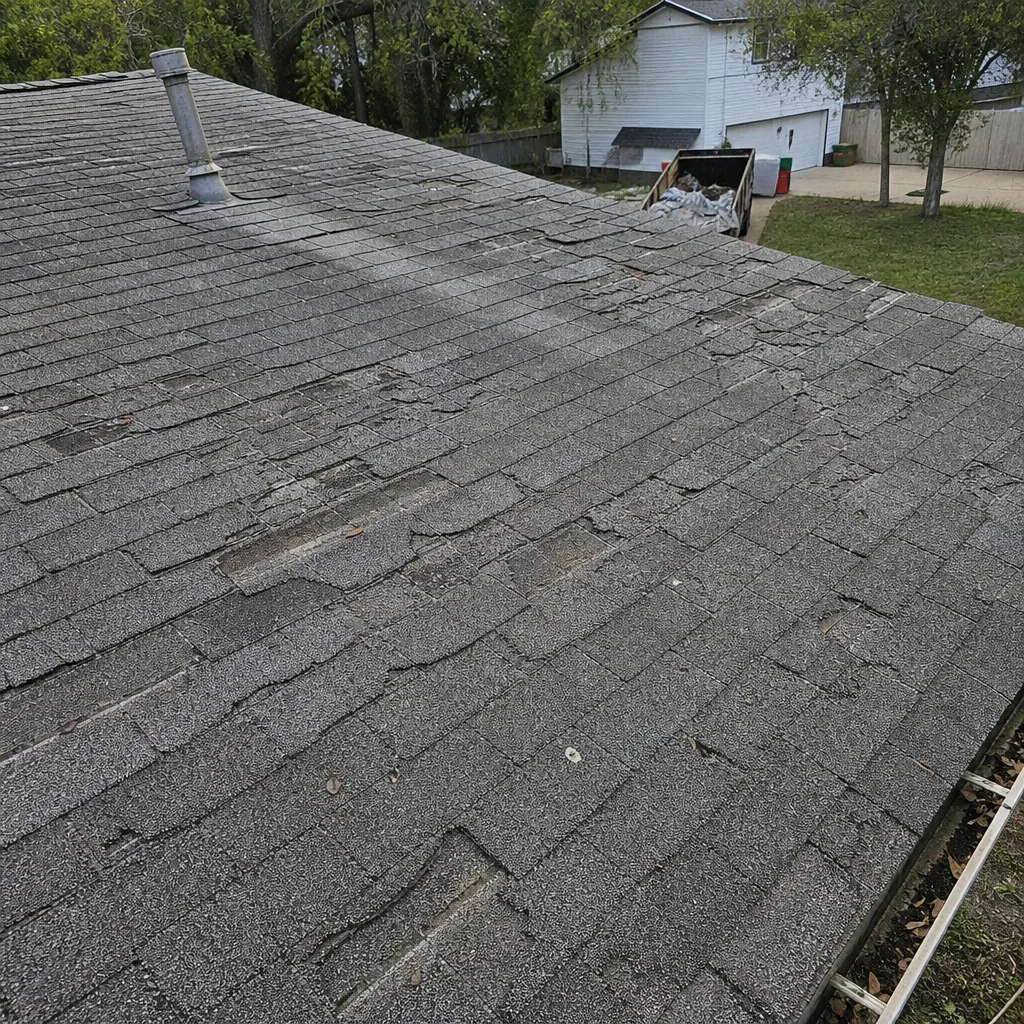 Before
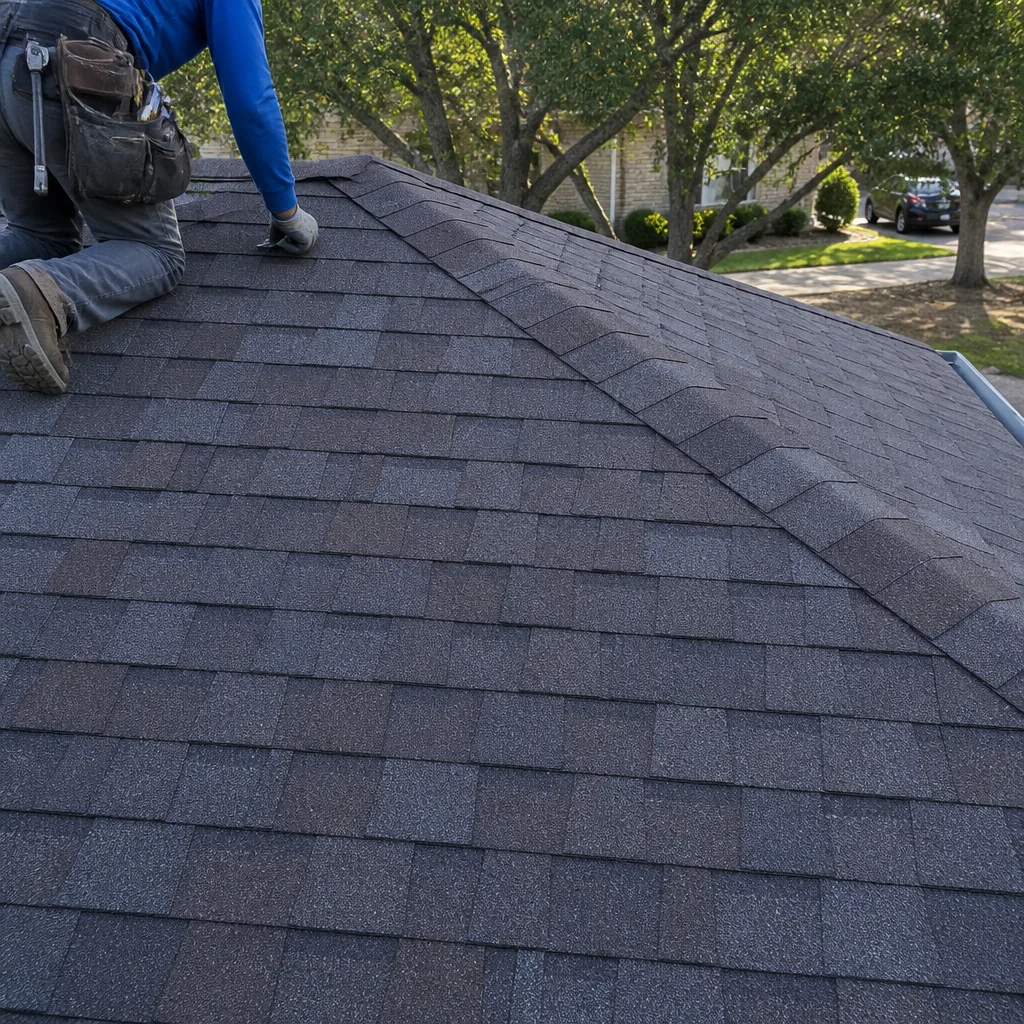 After
After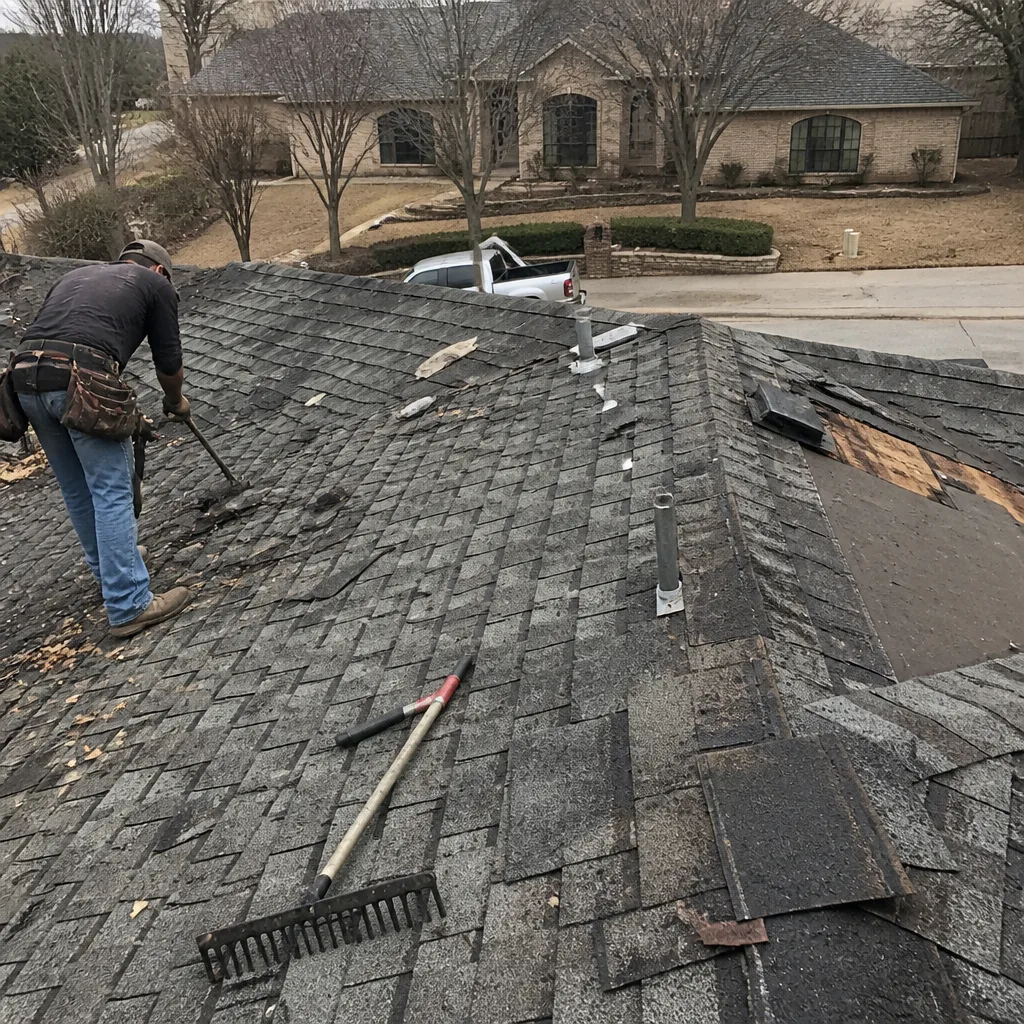 Before
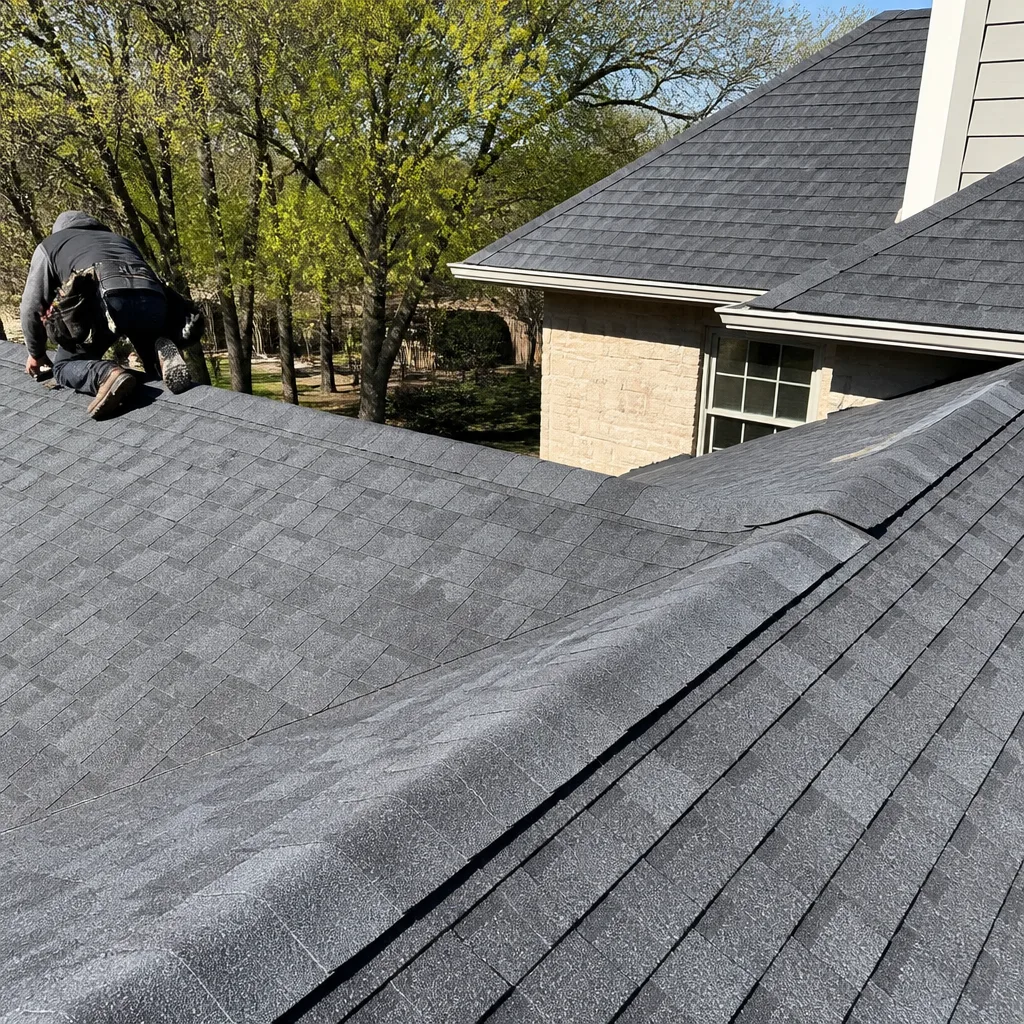 After
After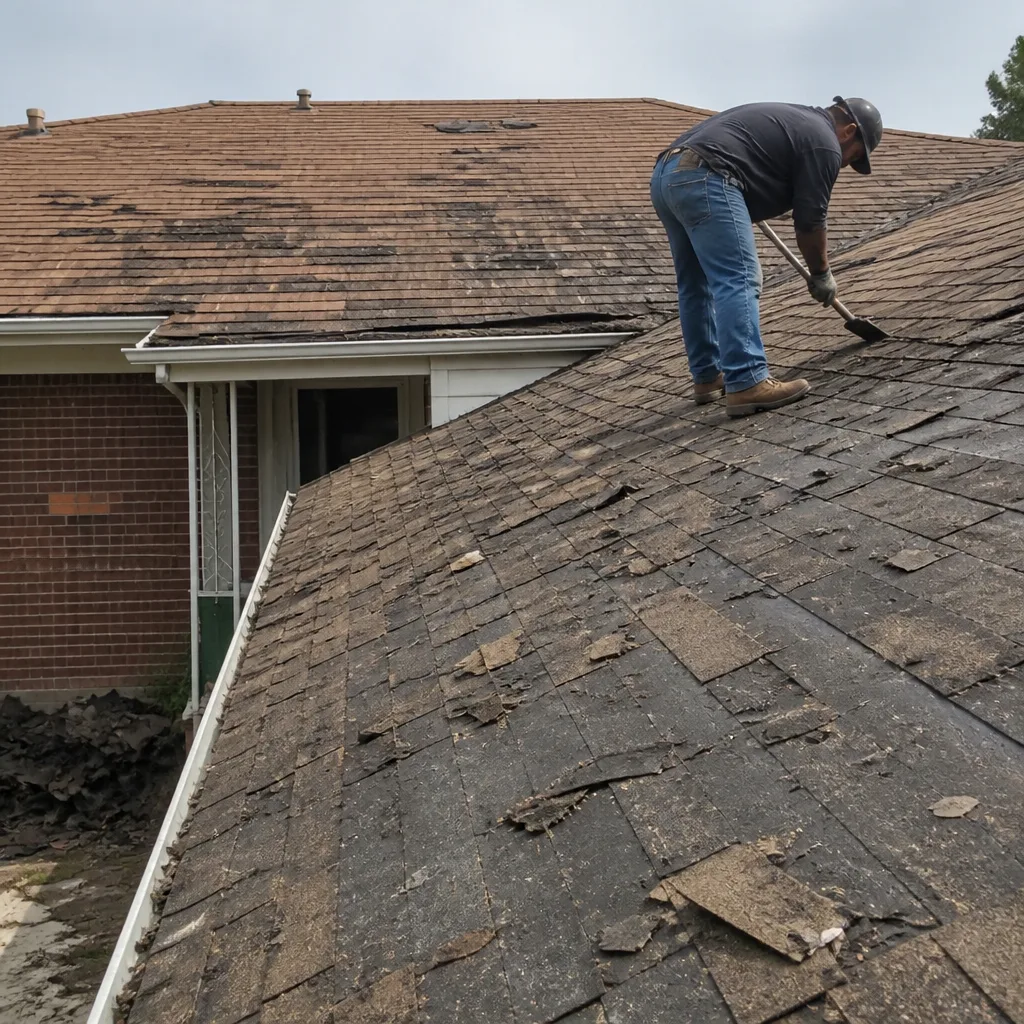 Before
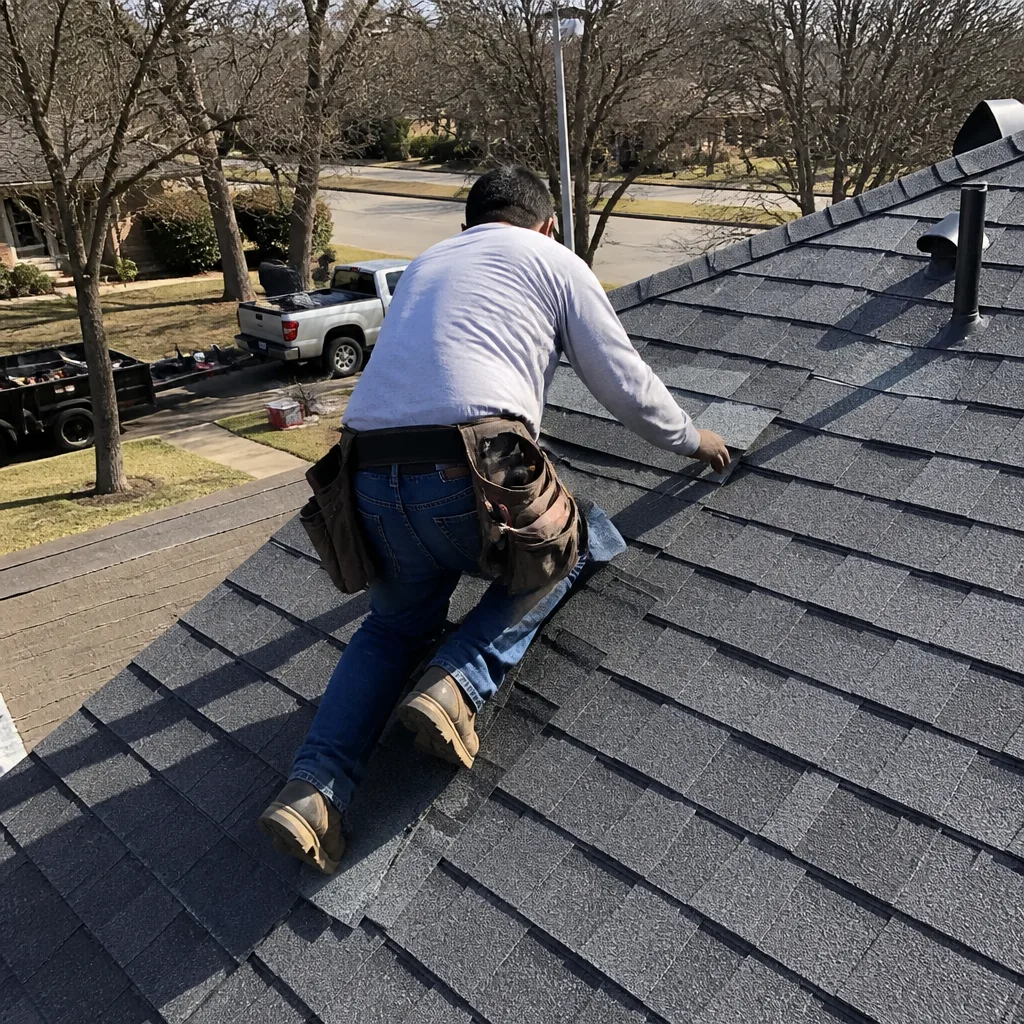 After
After